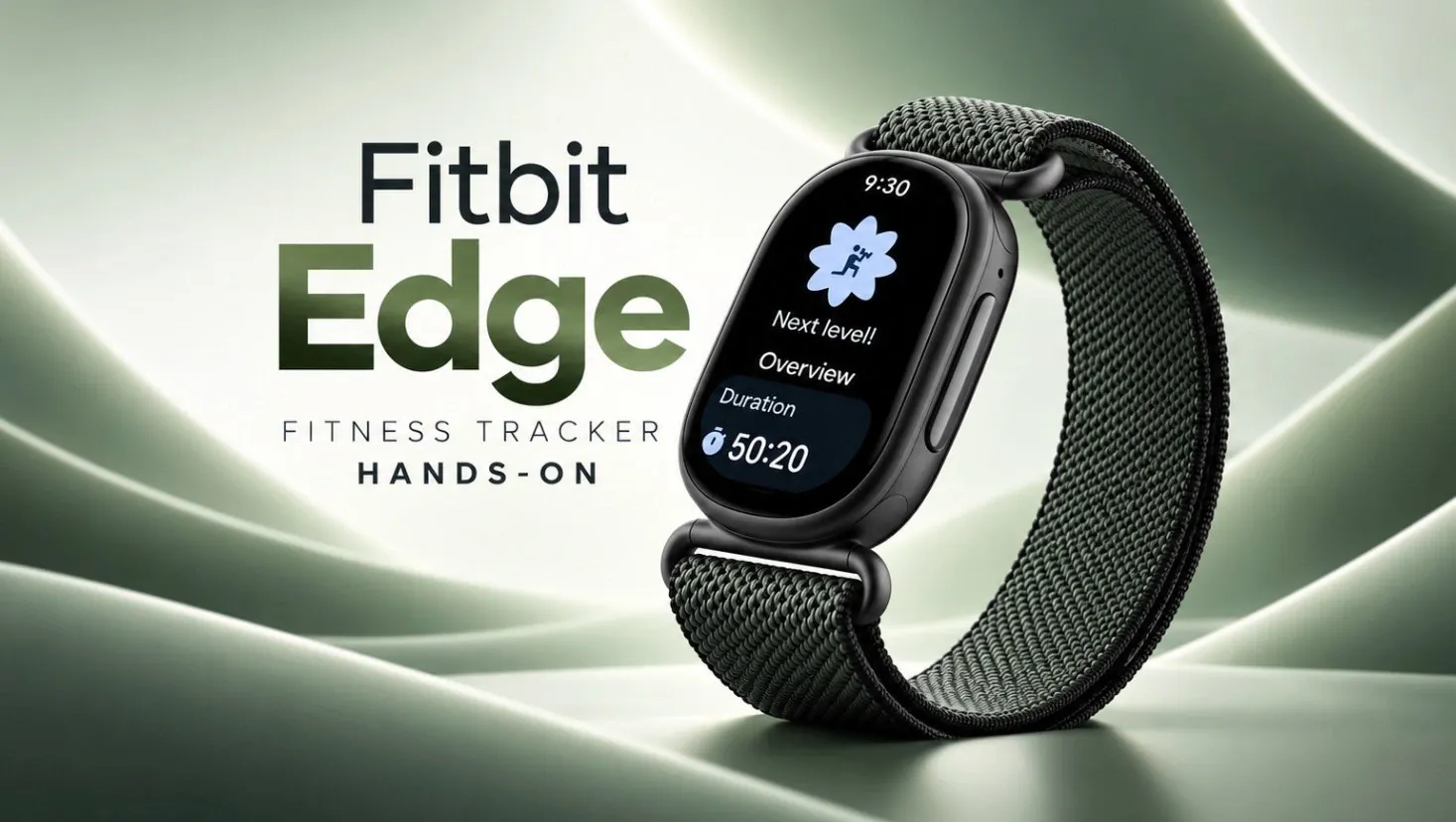
The Fitbit Edge builds on the foundation of the Fitbit Charge 6, introducing updates aimed at improving usability and tracking performance. DC Rainmaker highlights key changes, including a 46% larger, brighter display designed to improve visibility in direct sunlight and a physical side button that simplifies navigation during workouts. These updates address common complaints about touch-only controls but come with trade-offs, such as the removal of contactless payments and the lack of on-device workout guidance, which could affect its suitability for different users.
Dive into how the Fitbit Edge measures up in areas like GPS accuracy, heart rate tracking and battery performance, while also examining its integration with the Google Health ecosystem. Learn about its new features, such as automatic workout detection and structured exercise options, alongside its reliance on smartphone connectivity for certain tasks. This hands-on review provides a detailed breakdown to help you evaluate whether the Edge aligns with your fitness tracking needs.
Bigger, Brighter and More Functional
TL;DR Key Takeaways :
- The Fitbit Edge features a 46% larger and brighter 1.34-inch display, improving visibility and navigation during workouts and daily use.
- New features include a built-in altimeter, automatic workout detection, structured workouts (via smartphone), and fast charging for added convenience.
- Performance enhancements include improved GPS tracking and refined heart rate monitoring, though it struggles with rapid heart rate changes during high-intensity activities.
- Battery life lasts up to seven days in gesture-based mode, with a user-replaceable battery for sustainability and reduced electronic waste.
- Key omissions include no contactless payments, manual sleep mode activation and reliance on a smartphone for structured workouts, which may limit its appeal for some users.
Design and Display
The Fitbit Edge features a 1.34-inch display, which is an impressive 46% larger and brighter than the Charge 6. This enhancement ensures better visibility of metrics during workouts or daily use, even under direct sunlight. The larger screen also allows for more intuitive navigation and easier access to data, making it a practical choice for users who prioritize convenience.
One of the most notable design changes is the addition of a physical side button, replacing the touch-sensitive area found on previous models. This tactile button provides reliable navigation, especially during intense workouts or in wet conditions where touch controls often falter. The physical button is a thoughtful improvement for users who value functionality over aesthetics.
Customization options are another highlight of the Fitbit Edge. Users can choose from a variety of bands, including active, sport, metal link and magnetic styles, allowing for personalization to match both style and activity needs. Despite these upgrades, the device maintains Fitbit’s signature lightweight and sleek design, making sure comfort for all-day wear.
New Features: Elevating Fitness Tracking
The Fitbit Edge introduces several new features aimed at enhancing your fitness journey and overall health monitoring. These additions cater to a wide range of activities and goals:
- Built-in Altimeter: Tracks elevation changes, such as stairs climbed or elevation gains during hikes, providing more detailed activity metrics.
- Automatic Workout Detection: Recognizes activities like walking, running and hiking without requiring manual input, making sure you never miss tracking an activity.
- Structured Workouts: Offers guided exercise routines tailored to your fitness goals, accessible through the Google Health app. However, these workouts require a smartphone for instructions, as the Edge does not support on-device guidance.
- Fast Charging: Delivers a full day of battery life in just five minutes, minimizing downtime and making sure the device is ready when you are.
These features make the Fitbit Edge a versatile tool for fitness enthusiasts. However, the reliance on a smartphone for certain functionalities, such as structured workouts, may be a drawback for users seeking a more independent device.

Explore further guides and articles from our vast library that you may find relevant to your interests in Fitbit Edge.
- Fitbit Edge vs Fitbit Air: Trades Lightweight Design for GPS
- Leaked Fitbit Edge Bridges Fitbit Charge 6 and Pixel Watch
- Fitbit Edge Beats Fitbit Charge 6 with 46% Larger OLED Display
- Always-on Display Drops Fitbit Edge Battery Life to 2 Days
- Fitbit Edge Replaces the Charge 6 with a 46% Larger Display
- Google Fitbit Edge Launches October 27 For $179.99
- Fitbit Edge Beats Google Fitbit Air with Built-in GPS and an ECG
Performance and Accuracy: Improved but Not Perfect
The Fitbit Edge delivers notable improvements in performance and accuracy compared to its predecessor. Enhanced GPS tracking ensures more reliable route mapping during outdoor activities, though slight deviations may still occur in dense urban areas or challenging terrains. This improvement is particularly beneficial for runners, cyclists and hikers who rely on precise location data.
Heart rate monitoring has also been refined, offering consistent readings during steady-state activities like jogging or yoga. However, the device struggles to keep up with rapid heart rate changes during high-intensity interval training (HIIT), which may be a concern for advanced athletes. While the Edge performs well for most users, it still falls short of the precision offered by some high-end competitors.
Battery Life: Long-Lasting with a Sustainable Twist
Battery life is one of the standout features of the Fitbit Edge. In gesture-based mode, the device lasts up to seven days on a single charge, making it a reliable companion for extended use. For users who prefer the convenience of an always-on display, the battery life is reduced to approximately two days, which is still competitive for a device with such a vibrant screen.
A unique addition is the user-replaceable battery, a feature that not only extends the device’s lifespan but also reduces electronic waste. This sustainable design choice is a thoughtful consideration for environmentally conscious users and adds long-term value to the device.
Software and Integration: Seamless but Limited
The Fitbit Edge integrates seamlessly with the Google Health app, providing detailed metrics and analysis to track your progress. The app offers a user-friendly interface with comprehensive insights into your activity, sleep and overall health. However, customization options for workout data fields are limited, which may frustrate users who prefer more personalized tracking.
Structured workouts are a valuable addition, offering guided routines tailored to specific goals. However, the lack of on-device guidance means you’ll need to keep your phone nearby during these sessions. This limitation may detract from the overall convenience of the device, especially for users who prefer a more standalone experience.
What’s Missing?
Despite its advancements, the Fitbit Edge omits several features that could be dealbreakers for some users. These omissions include:
- No Contactless Payments: Unlike many modern wearables, the Fitbit Edge does not support Google Pay or similar payment options, limiting its functionality in everyday scenarios.
- Manual Sleep Mode Activation: The display does not automatically enter sleep mode, requiring manual input to prevent disruptions during the night.
- EDA Scan Changes: The Edge replaces the previous model’s EDA scan feature with continuous background monitoring. While this may appeal to some users, others may miss the manual scan option for stress management.
These missing features may limit the device’s appeal, particularly for users accustomed to more feature-rich wearables.
Pricing: Competitive but Consider the Trade-Offs
The Fitbit Edge is priced at $179 for the base model, with a special edition featuring Steph Curry-inspired design elements available for $219. While the pricing is competitive given its features, the absence of certain functionalities, such as contactless payments and on-device workout guidance, might leave some users questioning its overall value. For those who prioritize fitness tracking over lifestyle features, the Edge offers a solid balance of performance and affordability.
Final Thoughts: A Balanced Upgrade with Room for Growth
The Fitbit Edge represents a meaningful upgrade for most Fitbit Charge 6 users, offering a larger display, improved tracking accuracy and new features like the altimeter and structured workouts. Its fast charging and user-replaceable battery further enhance its appeal, making it a practical choice for fitness enthusiasts.
However, the lack of contactless payments, automatic sleep mode and on-device workout guidance may deter some buyers. If these missing features are not critical to your needs, the Fitbit Edge is a reliable and feature-rich tracker that delivers solid performance. Future firmware updates could potentially address some of its shortcomings, making it an even more compelling option in the long term.
Media Credit: DC Rainmaker
Disclosure: Some of our articles include affiliate links. If you buy something through one of these links, Geeky Gadgets may earn an affiliate commission. Learn about our Disclosure Policy.
