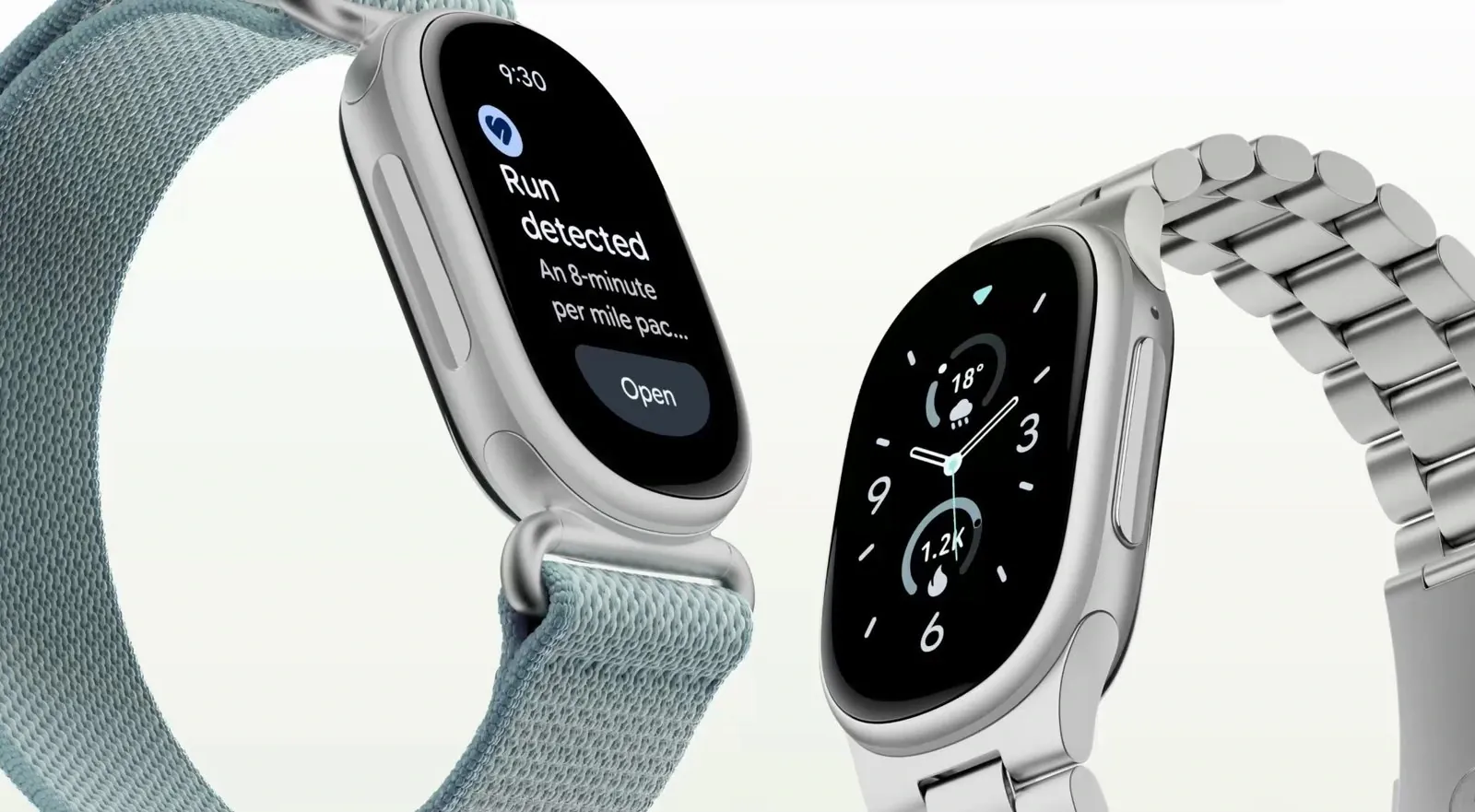
The Fitbit Edge marks a new chapter in Fitbit’s lineup, replacing the Charge 6 with a device that emphasizes both functionality and design. With a 46% larger AMOLED display and a slim 11.5 mm profile, the Edge offers improved visibility and comfort for everyday wear. DC Rainmaker highlights key upgrades like 40% better GPS accuracy and automatic activity detection for up to 100 workout types, making it a versatile choice for fitness enthusiasts. However, the removal of features like Google Pay and EDA scans introduces trade-offs that may impact its appeal for certain users.
Explore how the Fitbit Edge enhances your fitness tracking with 50 customizable workout profiles and structured guidance through the Google Health app. You’ll also gain insight into its sustainability-focused updates, such as a user-replaceable battery and quick charging capabilities. Whether you’re curious about its compatibility with other devices or the pricing of new accessory bands, this breakdown provides a clear view of what the Edge brings to the table.
Key Features and Design Enhancements
- The Fitbit Edge features a 46% larger AMOLED display, improved GPS accuracy and a redesigned Google-inspired interface, enhancing both usability and aesthetics.
- Advanced workout capabilities include automatic activity detection for 100 workout types, 50 customizable workout profiles and structured guidance via the Google Health app.
- New health metrics include an altimeter for elevation tracking and background health monitoring, though EDA scans for stress tracking have been removed.
- Battery improvements include quick charging and a user-replaceable battery, promoting sustainability and convenience.
- Priced at $179 ($219 for the Steph Curry edition), the Fitbit Edge offers new features but omits Google Pay and NFC support, which may affect its appeal for some users.
The Fitbit Edge introduces a range of design and usability improvements aimed at enhancing both functionality and aesthetics:
- A 1.34-inch AMOLED display, offering 46% more screen space than its predecessor, with adjustable brightness for optimal visibility in various lighting conditions.
- A slim 11.5 mm profile, paired with a physical button for intuitive navigation and ease of use.
- A redesigned interface inspired by Google’s UI, delivering a modern, user-friendly experience.
These updates reflect Fitbit’s commitment to creating a device that is both visually appealing and practical, making it suitable for everyday wear and fitness tracking.
Advanced Workout Capabilities
The Fitbit Edge is packed with features that cater to a wide range of fitness activities, making it a versatile companion for users at all levels:
- Automatic activity detection for up to 100 workout types, making sure that your fitness efforts are consistently tracked without manual input.
- Support for 50 customizable workout profiles, allowing users to tailor tracking to their specific routines.
- Structured workout guidance through the Google Health app, allowing users to follow pre-designed routines for improved fitness outcomes.
- A 40% improvement in GPS accuracy, achieved through an upgraded chipset and case design, making sure reliable tracking for outdoor activities like running and cycling.
These features are designed to meet the needs of both casual users and fitness enthusiasts, offering precise tracking and a variety of options to support diverse workout goals.
Health Metrics and Monitoring
The Fitbit Edge integrates seamlessly with the Google Health app, providing users with a comprehensive suite of health metrics to monitor their well-being:
- A new altimeter feature for tracking elevation and stairs climbed, adding depth to activity tracking.
- Background health monitoring, which continuously collects data to provide insights into overall health trends.
While these additions enhance the device’s health-tracking capabilities, the removal of EDA scans, previously used for stress monitoring, may be a drawback for users who relied on this feature.

Take a look at other insightful guides from our broad collection that might capture your interest in Fitbit devices.
- Fitbit Charge 7 Leaked? Release Date Likely Expected for Late 2026
- Likely Google Fitbit Charge 7 Leak Reveals GNSS Tracking
- Garmin CIRQA vs Google Fitbit Air: Which Fitness Tracker Suits You Best?
- Leaked Fitbit Edge Bridges Fitbit Charge 6 and Pixel Watch
- Fitbit Air vs Garmin CIRQA: Tracking Accuracy Compared
- WHOOP vs FitBit Air vs Garmin CIRQA vs Amazfit Helio
- How Amazfit’s AI Coaching and Bio Charge Score Optimize Your Rest Days
- Garmin CIRQA vs Fitbit Air: $200 Premium Beats $100 Value
- Garmin CIRQA Accuracy Tested Against Whoop and Fitbit
- Google Fitbit Edge Launches October 27 For $179.99
Battery Life and Sustainability
Battery performance has been a key focus in the Fitbit Edge, addressing common concerns from previous models:
- Quick charging capabilities: A five-minute charge provides enough power for a full day, while a complete charge takes just 90 minutes.
- A user-replaceable battery, a first for Fitbit, promoting sustainability and extending the device’s lifespan.
These improvements not only enhance convenience but also align with growing consumer demand for environmentally friendly technology.
Compatibility and Accessories
The Fitbit Edge offers enhanced compatibility and a variety of customization options to suit different user preferences:
- Dual-device compatibility, allowing it to work seamlessly alongside other Fitbit or Pixel devices on the same account.
- Shared charger compatibility with the Fitbit Air, simplifying accessory management for users with multiple devices.
- New accessory bands in various styles and materials, though they are not compatible with bands from the Charge 6.
- Available in four core colors, with an exclusive Steph Curry edition for NBA fans.
Accessory bands are priced between $39 and $149, offering options for different budgets and style preferences.
Pricing and Availability
The Fitbit Edge is priced at $179, with the special Steph Curry edition available for $219. Pre-orders are currently open and shipping is set to begin on October 27, 2026. While the higher price reflects the device’s new features and design improvements, it may deter budget-conscious buyers, especially since the Fitbit Charge 6 was frequently discounted to $99–$129.
Removed Features
Despite its advancements, the Fitbit Edge has omitted some features that were present in its predecessor:
- Google Pay and NFC support for contactless payments.
- EDA scans, which were used for stress tracking.
These exclusions may influence purchasing decisions, particularly for users who valued these functionalities in previous models.
Updates to the Fitbit Air
In addition to the Fitbit Edge, the Fitbit Air has also received updates, further expanding its utility within Fitbit’s ecosystem:
- Automatic activity detection for 100 workout types, mirroring the Edge’s capabilities.
- New metal and mesh bands, offering greater customization options.
- HealthGuardian Reports, which consolidate health metrics for a clearer overview of well-being.
- Integration with Flow Health, enhancing women’s health tracking and allowing seamless data sharing with healthcare providers.
These updates make the Fitbit Air a compelling alternative for users seeking a more affordable option with robust features.
Is the Fitbit Edge Right for You?
The Fitbit Edge represents a significant evolution in Fitbit’s fitness tracker lineup, offering a larger display, improved GPS accuracy and advanced workout features. However, the removal of certain functionalities, such as Google Pay and EDA scans, alongside its higher price point, may make it less appealing to some users. Ultimately, whether the Fitbit Edge is the right choice depends on your priorities and how well its new features align with your fitness and health goals.
Media Credit: DC Rainmaker
Disclosure: Some of our articles include affiliate links. If you buy something through one of these links, Geeky Gadgets may earn an affiliate commission. Learn about our Disclosure Policy.
