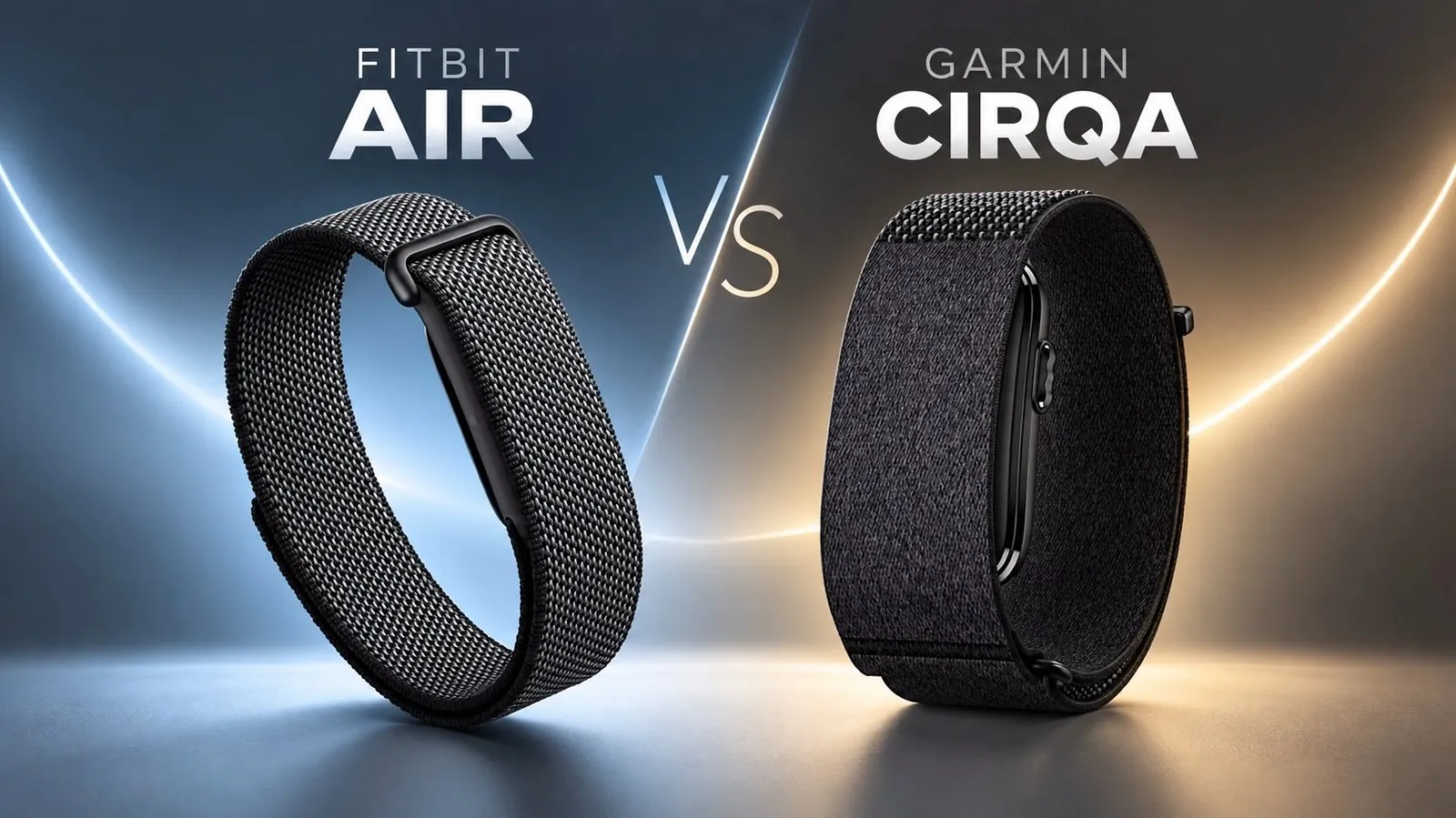
The Quantified Scientist dives into a detailed comparison of two new screenless fitness wearables, the Fitbit Air and the Garmin Circa, focusing on their accuracy in exercise heart rate tracking, sleep monitoring and nightly health metrics. For instance, the Fitbit Air demonstrates superior performance in sleep tracking, reliably identifying sleep stages like REM and deep sleep, even when worn on the wrist. Meanwhile, the Garmin Circa shows strengths in resting heart rate accuracy and ecosystem integration, making it a compelling option for users already invested in Garmin’s broader suite of products.
Explore how these devices perform across specific activities, such as running, cycling and weightlifting and learn why wearing them on the biceps can improve tracking accuracy. You’ll also gain insight into their usability differences, from the Fitbit Air’s health-focused app to the Garmin Circa’s advanced multi-sport features. This interview provides a clear breakdown to help you determine which wearable aligns best with your fitness and health priorities.
Fitbit Air vs Garmin CIRQA
TL;DR Key Takeaways :
- The Fitbit Air excels in sleep tracking and general health metrics, offering consistent performance across various metrics, especially for users focused on sleep monitoring.
- The Garmin Circa is better suited for athletes and multi-sport users, with advanced features, seamless integration into the Garmin ecosystem and compatibility with additional sports sensors.
- Both devices perform well in exercise heart rate tracking, but accuracy improves significantly when worn on the biceps, particularly for high-motion activities like running and weightlifting.
- For nightly health metrics, both devices are reliable, but the Garmin Circa has a slight edge in resting heart rate accuracy, while heart rate variability tracking is comparable between the two.
- The Fitbit Air offers better affordability and ease of use, while the Garmin Circa justifies its higher price with advanced functionality and ecosystem compatibility, catering to different user priorities.
Heart Rate Tracking During Exercise
Both the Fitbit Air and Garmin Circa demonstrate improved accuracy when worn on the biceps rather than the wrist. However, their performance varies depending on the type of activity:
- Running and Weightlifting: Fitbit Air delivers slightly more consistent heart rate data compared to Garmin Circa. The Garmin Circa struggles with wrist-based tracking during high-motion activities, occasionally leading to inaccuracies.
- Indoor and Outdoor Cycling: Both devices perform exceptionally well when worn on the biceps, showing minimal discrepancies compared to reference devices. This makes them reliable choices for cycling enthusiasts.
If precise exercise tracking is a priority, especially for high-motion activities like running or weightlifting, using a biceps band with either device is strongly recommended to enhance accuracy.

Become an expert in Garmin CIRQA with the help of our in-depth articles and helpful guides.
- Garmin CIRQA vs Google Fitbit Air: Which Fitness Tracker Suits You Best?
- How Amazfit’s AI Coaching and Bio Charge Score Optimize Your Rest Days
- Garmin CIRQA Accuracy Tested Against Whoop and Fitbit
- Garmin CIRQA vs Fitbit Air: $200 Premium Beats $100 Value
- Google Health Adds Two-Way Apple Health Sync for Fitbit Air
- Google Fitbit Air: Why a Screenless Tracker is the Perfect Smartwatch Antidote
Sleep Tracking
When it comes to monitoring sleep stages, such as deep sleep, light sleep and REM sleep, the Fitbit Air stands out as the more accurate option. Its performance remains consistent whether worn on the wrist or biceps, making it a top choice for users focused on sleep tracking.
The Garmin Circa, while improving in accuracy when worn on the biceps, still falls short of the Fitbit Air in reliably identifying sleep stages.
For users who prioritize sleep monitoring, the Fitbit Air offers a more dependable and consistent solution, particularly for tracking detailed sleep metrics.
Nightly Metrics: Resting Heart Rate and Heart Rate Variability
Both devices perform well in tracking nightly health metrics, including resting heart rate and heart rate variability:
- Resting Heart Rate: Garmin Circa has a slight edge in accuracy, making it a strong choice for users who prioritize this specific metric.
- Heart Rate Variability: Both devices deliver comparable results, with no significant differences in performance for this metric.
If your primary focus is monitoring nightly health trends, either device will meet your needs effectively. However, the Garmin Circa offers a marginal advantage in resting heart rate precision, which may appeal to users seeking highly accurate nightly data.
Device Ecosystem and Usability
The usability and ecosystem integration of these devices cater to different user preferences and priorities:
- Garmin Circa: This device integrates seamlessly with the Garmin ecosystem, making it an excellent choice for users already invested in Garmin products. Its compatibility with additional sports sensors and multi-sport tracking features makes it particularly appealing for athletes and fitness enthusiasts who require advanced functionality.
- Fitbit Air: The Fitbit Air offers a more user-friendly app experience, focusing on health metrics and sleep tracking. If ease of use and health-focused insights are your priorities, the Fitbit Air is the better option.
Your choice will largely depend on whether you value ecosystem compatibility and advanced sports features or prefer a simpler, health-focused user experience.
Recommendations
Based on the analysis, here are some key recommendations to help you decide which device aligns better with your needs:
- Use a biceps band with either device to improve tracking accuracy during exercise, especially for high-motion activities.
- Choose the Fitbit Air if your primary focus is on sleep tracking and general health metrics.
- Opt for the Garmin Circa if you are already invested in the Garmin ecosystem or require compatibility with additional sports sensors and advanced features.
Overall Performance
The Fitbit Air excels in sleep tracking and exercise heart rate monitoring, particularly for activities like running and weightlifting. Its consistent performance across different metrics makes it a strong contender for users focused on health and sleep insights.
The Garmin Circa, while reliable, is slightly less accurate in certain scenarios, especially when worn on the wrist during high-motion activities. However, it performs exceptionally well in cycling-related activities when worn on the biceps and offers advanced features for athletes and multi-sport users.
Both devices deliver solid performance, but their strengths cater to different user priorities.
Value for Money
Both the Fitbit Air and Garmin Circa provide excellent value at their respective price points. Neither device requires a subscription for basic tracking features, making them cost-effective options for users seeking reliable fitness wearables.
The Fitbit Air offers a strong balance of affordability and performance, particularly for sleep tracking and general health monitoring. On the other hand, the Garmin Circa justifies its higher price with its seamless ecosystem integration and compatibility with advanced sports sensors, making it a worthwhile investment for athletes and fitness enthusiasts.
Final Thoughts
Fitbit Air and Garmin Circa are both dependable fitness wearables, each with distinct strengths that cater to different user needs:
- Fitbit Air: Best suited for users focused on sleep tracking, general health metrics and ease of use.
- Garmin Circa: Ideal for sports enthusiasts, multi-sport users and those already invested in the Garmin ecosystem.
Your choice should ultimately depend on your individual priorities, whether they involve sleep monitoring, exercise tracking, or compatibility with a broader device ecosystem. Both devices deliver reliable performance, making sure you’ll find a suitable option regardless of your preferences.
Media Credit: The Quantified Scientist
Disclosure: Some of our articles include affiliate links. If you buy something through one of these links, Geeky Gadgets may earn an affiliate commission. Learn about our Disclosure Policy.
