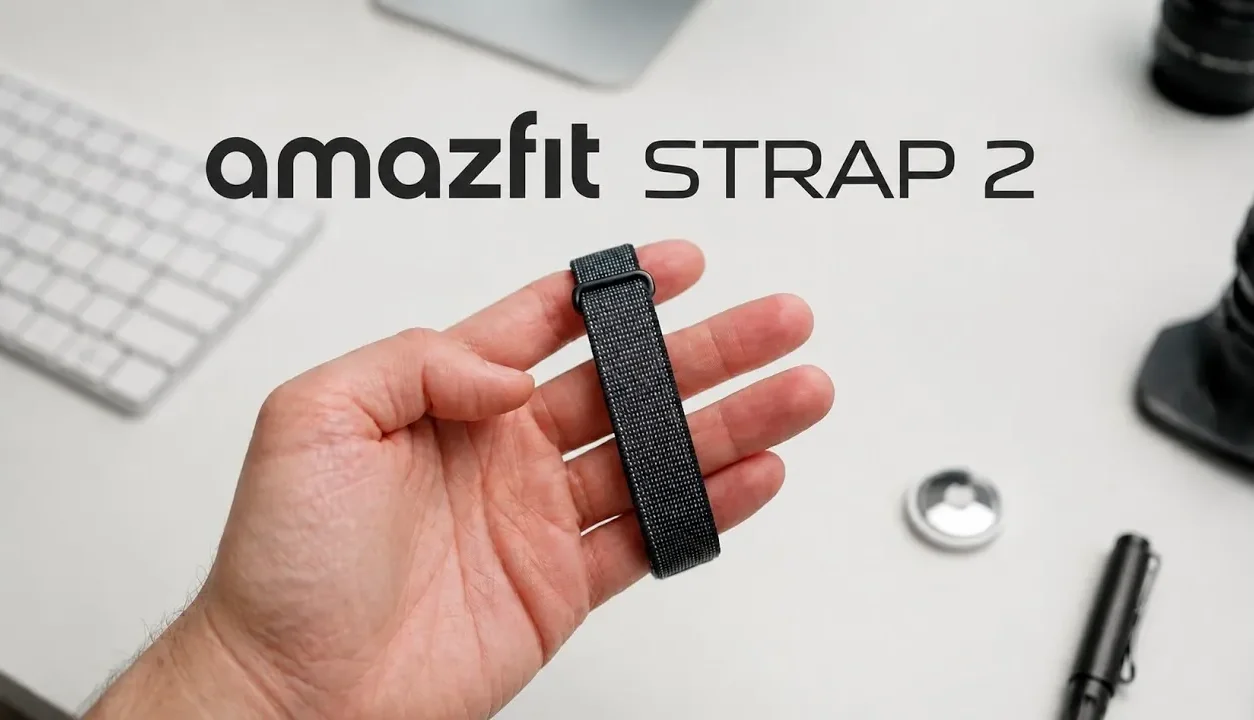
The fitness tracker landscape is becoming increasingly crowded, with brands like Fitbit, Garmin and Amazfit vying for attention through unique features and targeted designs. In a recent conversation from TechAvid, the focus turns to Amazfit’s latest offering, the Helio Strap 2, a screen-free wearable that prioritizes recovery and simplicity. Unlike many competitors, the Helio Strap 2 emphasizes features like Bio Charge energy scoring and advanced recovery algorithms, aiming to provide users with actionable insights into their health without overwhelming them with unnecessary complexity. However, with the absence of advanced sensors like ECG or standalone GPS, the device faces notable trade-offs in a market where consumer expectations continue to rise.
Explore how the Helio Strap 2 positions itself as a recovery-focused alternative in a competitive field and what it offers for fitness enthusiasts seeking balance between affordability and functionality. You’ll gain insight into its training load measurement and AI coaching capabilities, as well as the challenges posed by its limited hardware upgrades. Whether you’re curious about its potential niche appeal or how it stacks up against rivals like Garmin Cirqa, this conversation provides a clear breakdown of the device’s strengths and limitations.
Rising Competition and Shifting Consumer Expectations
TL;DR Key Takeaways :
- The Amazfit Helio Strap 2 is a screen-free fitness tracker focused on recovery, offering features like heart rate monitoring, sleep tracking, recovery analysis and Bio Charge energy scoring.
- It faces tough competition from devices like Fitbit Air and Garmin Cirqa, which offer advanced health sensors such as ECG and AFib detection, setting higher consumer expectations.
- Key improvements include enhanced recovery algorithms, AI coaching, better battery efficiency and a redesigned strap-swapping mechanism, though hardware upgrades remain minimal.
- Notable omissions include standalone GPS, Wi-Fi and advanced health sensors, which may limit its appeal to users seeking comprehensive health monitoring and smartphone independence.
- Priced at $99, the Helio Strap 2 targets budget-conscious consumers, but its success depends on delivering strong software performance and recovery-focused tools to stand out in a competitive market.
The fitness tracker industry has undergone rapid transformation, with even budget-friendly devices now offering sophisticated health monitoring capabilities. Competitors such as Fitbit Air and Garmin Cirqa have set new benchmarks by incorporating advanced features like AFib detection, ECG sensors, and heart rhythm monitoring. These advancements have reshaped consumer expectations, compelling manufacturers to go beyond basic tracking functionalities.
For Amazfit, the challenge lies in meeting these heightened expectations while differentiating itself in a crowded market. Consumers today demand devices that not only track fitness metrics but also provide actionable insights into their overall health and well-being. The Helio Strap 2 must strike a balance between affordability and functionality to remain relevant.
Key Features of the Helio Strap 2
The Helio Strap 2 builds on its predecessor’s strengths, maintaining a screen-free design that emphasizes simplicity, durability and extended battery life. Its core features include:
- Continuous heart rate monitoring
- Sleep tracking
- Recovery analysis
- Training load measurement
- Bio Charge energy scoring
These features are designed to provide users with practical insights into their health and fitness, allowing them to optimize both performance and recovery. The Bio Charge energy scoring, for instance, evaluates your body’s energy reserves, helping you plan workouts and rest periods more effectively.
While the hardware remains largely unchanged, with the same 230 mAh battery as the original Helio Strap, Amazfit has focused on enhancing the software. Key improvements include advanced recovery algorithms, AI coaching, and better battery efficiency. Additionally, rumors suggest the inclusion of an upgraded accelerometer for more precise activity tracking and a redesigned strap-swapping mechanism for added convenience.

Below are more guides on fitness tracker from our extensive range of articles.
- Why Google’s New Fitbit Air is Making Apple and Whoop Sweat
- Google Fitbit Air : Everything We Know About the $99 Screen-Free Tracker
- Is the Fitbit Air the Whoop Killer We Have Been Waiting For?
- What the New Garmin Cirqa and Vivosmart 6 Leak Actually Reveals
- The Best Fitbit Air Features You Probably Aren’t Using Yet
- Master Your Apple Watch: The Best Features Apple Didnt Tell You About
- Everything You Need to Know About Garmin’s New Screenless Wearable
- AURA Fitness Tracker Monitors Your Body Hydration And Composition
- Get A Nike+ Fuelband SE Fitness Tracker (Certified Refurbished) And Save 74%
- Wearing the New Screenless Fitbit Air for Two Weeks
What’s Missing?
Despite its strengths, the Helio Strap 2 lacks some of the advanced health sensors found in competing devices. Unlike Fitbit Air or Garmin Cirqa, it does not feature ECG functionality or standalone AFib detection, which are increasingly becoming standard in the fitness tracker market.
Additionally, the absence of Wi-Fi and standalone GPS limits its capabilities, as it relies on a smartphone’s GPS for location tracking. These omissions may deter users who prioritize comprehensive health monitoring or seek greater independence from their smartphones during workouts. For those who value these features, the Helio Strap 2 may fall short of expectations.
Facing Competitive Challenges
In the current fitness tracker market, software and AI capabilities have emerged as critical differentiators. Competitors like Fitbit Air and Garmin Cirqa have leveraged these technologies to deliver advanced features such as heart rhythm monitoring and personalized health insights. These innovations not only enhance user experience but also set a high standard for other manufacturers to meet.
For the Helio Strap 2 to stand out, Amazfit must ensure its recovery algorithms, AI coaching, and health tracking tools deliver a superior and seamless experience. Without these, the device risks being overshadowed by alternatives that offer more comprehensive features at similar price points. The focus on recovery and simplicity may appeal to a niche audience, but broader success will depend on how well Amazfit can address the needs of a tech-savvy and health-conscious consumer base.
Pricing and Market Position
The Helio Strap 2 is expected to launch at an accessible price point of $99, mirroring the affordability of its predecessor. This pricing strategy positions it as a budget-friendly option, but it also places the device in direct competition with other affordable wearables that offer more advanced features.
To succeed in this price-sensitive segment, Amazfit must capitalize on its expertise in software optimization and recovery-focused tools. By delivering a compelling combination of affordability and functionality, the Helio Strap 2 can appeal to users who prioritize value without compromising on essential features.
The Road Ahead for the Helio Strap 2
The Amazfit Helio Strap 2 enters a fiercely competitive market where innovation and advanced technology drive consumer preferences. Its screen-free design and emphasis on recovery analysis set it apart from many competitors, but limited hardware upgrades and the absence of advanced health sensors may hinder its broader appeal.
To thrive, Amazfit must focus on delivering exceptional software performance and AI-driven insights that resonate with users seeking practical health and fitness solutions. As the fitness tracker market continues to evolve, the Helio Strap 2’s success will depend on its ability to balance affordability with functionality, meeting the growing demands of a tech-savvy audience.
Media Credit: TechAvid
Disclosure: Some of our articles include affiliate links. If you buy something through one of these links, Geeky Gadgets may earn an affiliate commission. Learn about our Disclosure Policy.
