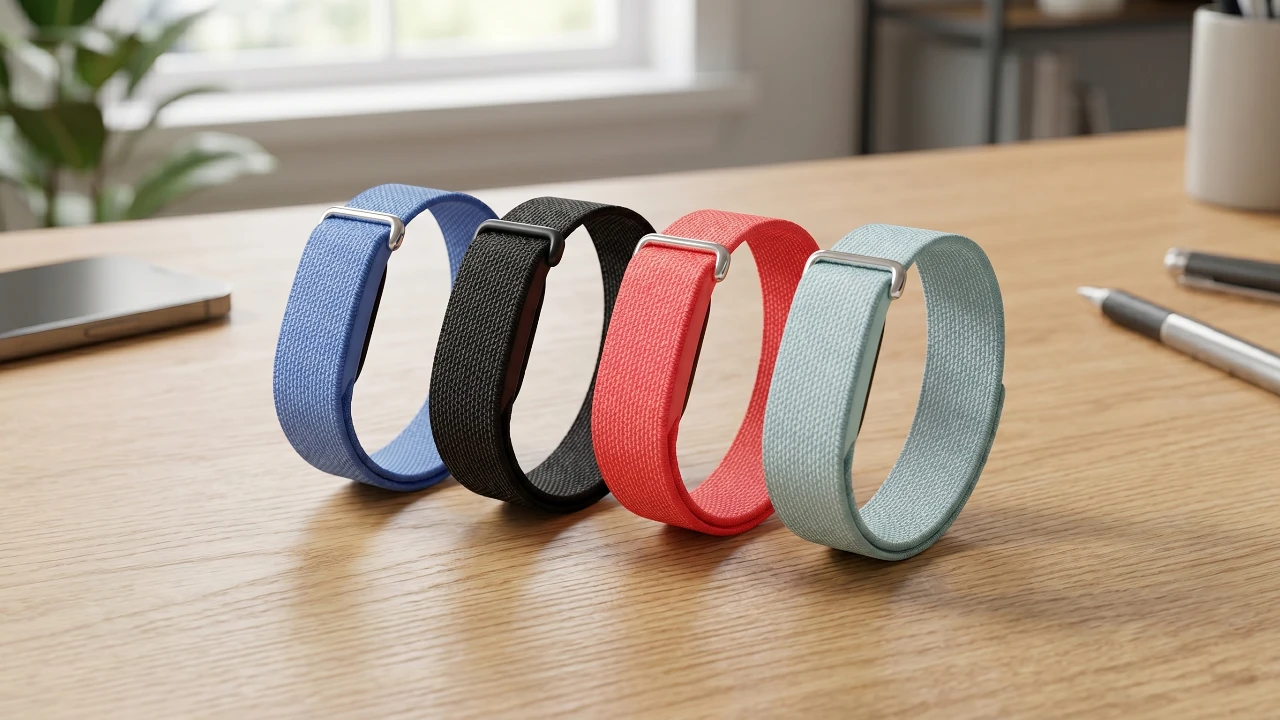
The Fitbit Air, priced at $99, is a minimalist fitness tracker designed to cater to individuals who prioritize simplicity and affordability in their fitness journey. With essential features such as heart rate monitoring, sleep tracking, and activity metrics, it integrates seamlessly with the Google Health app, offering a cohesive fitness tracking experience. Its lightweight, water-resistant design and impressive 7-day battery life make it a practical choice for casual fitness enthusiasts. However, challenges like inconsistent heart rate accuracy during intense workouts and occasional app bugs highlight areas for improvement. Positioned as a cost-effective alternative to subscription-based trackers like Whoop, the Fitbit Air delivers commendable value for its price, making it a noteworthy contender in the budget fitness tracker market. The video below from DC Rainmaker gives us a detailed look at the new Fitbit Air.

Key Features and Design
The Fitbit Air is designed with practicality and user comfort in mind, offering a range of features that enhance its usability for everyday fitness tracking.
- Lightweight Build: The device is exceptionally light, making sure comfort during all-day wear, whether you’re working out, sleeping, or going about your daily routine.
- Water Resistance: With a water resistance rating of up to 50 meters, the Fitbit Air is suitable for swimming, showering and sweat-intensive activities, adding versatility to its design.
- Battery Life: A single charge provides up to 7 days of usage and a quick 5-minute charge can extend the battery life by an additional day, making it convenient for users with busy schedules.
- Adjustable Strap: The Velcro strap ensures a secure and comfortable fit, though it may occasionally snag on certain fabrics, which could be a minor inconvenience.
- Basic Indicators: A small LED light provides quick updates on battery and pairing status, while a vibration motor is used for alarms and notifications, keeping the design simple yet functional.
The Fitbit Air’s hardware reflects its focus on simplicity and ease of use, making it an ideal choice for users who prefer straightforward functionality over advanced, feature-heavy designs.
App Integration: Google Health at the Core
The Fitbit Air’s functionality is deeply integrated with the Google Health app, which serves as the central hub for tracking and analyzing fitness data. The app provides a comprehensive overview of key metrics, including:
- Heart Rate Trends: Monitor your heart rate patterns throughout the day and during workouts.
- Sleep Phases: Gain insights into your sleep quality by tracking light, deep and REM sleep stages.
- Activity Metrics: Keep track of steps, calories burned and active minutes to stay on top of your fitness goals.
The app’s free version covers all essential features, but users can opt for a premium subscription to unlock advanced tools such as AI-driven insights and personalized coaching plans. These premium features are particularly beneficial for individuals seeking deeper analysis and guidance in their fitness journey. However, the app’s limited customization options for data display may not appeal to users who prefer tailored dashboards or more granular control over their fitness data.
Performance: Reliable but Not Perfect
The Fitbit Air is equipped to track core fitness metrics, including heart rate, sleep stages and activity levels. It also features auto-detection for common workouts such as running and cycling, while less common activities can be manually logged using GPS data from a connected smartphone.
While the device performs reliably for general fitness tracking, its heart rate accuracy can falter during high-intensity or variable workouts, which may be a drawback for users who require precise data for performance optimization. Additionally, the range of supported activities is somewhat limited compared to higher-end fitness trackers, which may offer more comprehensive tracking options for niche sports or advanced training regimens.
Software Bugs and User Experience
Despite its strengths, the Fitbit Air is not without its flaws. Users have reported occasional software-related issues, including:
- Disappearing Sleep Data: Some users have experienced instances where sleep data fails to sync or is lost entirely.
- Syncing Problems: Intermittent syncing issues between the device and the Google Health app can disrupt the user experience.
Fitbit has acknowledged these issues and is actively working on software updates to address them. Regular updates will be essential to ensure the device remains reliable and continues to meet user expectations.
How It Stacks Up Against Competitors
The Fitbit Air positions itself as a budget-friendly alternative to subscription-based fitness trackers like Whoop. Here’s how it compares:
- Cost: Unlike Whoop, which requires ongoing subscription fees, the Fitbit Air offers all core features without additional costs, making it a more economical choice.
- Features: While Whoop excels in advanced metrics such as recovery and strain analysis, the Fitbit Air focuses on simplicity and essential tracking, catering to casual users.
- Target Audience: The Fitbit Air is ideal for individuals seeking an affordable, no-frills fitness tracker, whereas elite athletes or data-driven users may find its analytics insufficient for advanced training needs.
For those who prioritize affordability and essential functionality, the Fitbit Air strikes a compelling balance, offering solid value without the commitment of recurring fees.
Privacy Considerations
Privacy is a critical factor when choosing a fitness tracker and the Fitbit Air addresses this concern by adhering to Google’s commitment not to use Fitbit data for advertising purposes for at least three years. While this policy provides some reassurance, users should remain mindful of potential long-term privacy implications as data collection practices evolve. Evaluating whether the Fitbit Air aligns with your privacy expectations is an important step before making a purchase.
Is the Fitbit Air Worth It?
At $99, the Fitbit Air presents a strong value proposition for casual fitness enthusiasts. Its lightweight design, essential features and lack of subscription fees make it an attractive option for those seeking a straightforward fitness tracker. However, its limitations in heart rate accuracy, workout detection and app customization may not satisfy the needs of advanced users or elite athletes.
For individuals looking for an affordable, no-commitment alternative to pricier trackers like Whoop, the Fitbit Air is a practical and reliable choice. While it has room for improvement, its combination of affordability, simplicity and functionality makes it a standout option in the budget fitness tracker market.
Expand your understanding of Fitbit Air with additional resources from our extensive library of articles.
Source: DC Rainmaker
Disclosure: Some of our articles include affiliate links. If you buy something through one of these links, Geeky Gadgets may earn an affiliate commission. Learn about our Disclosure Policy.
