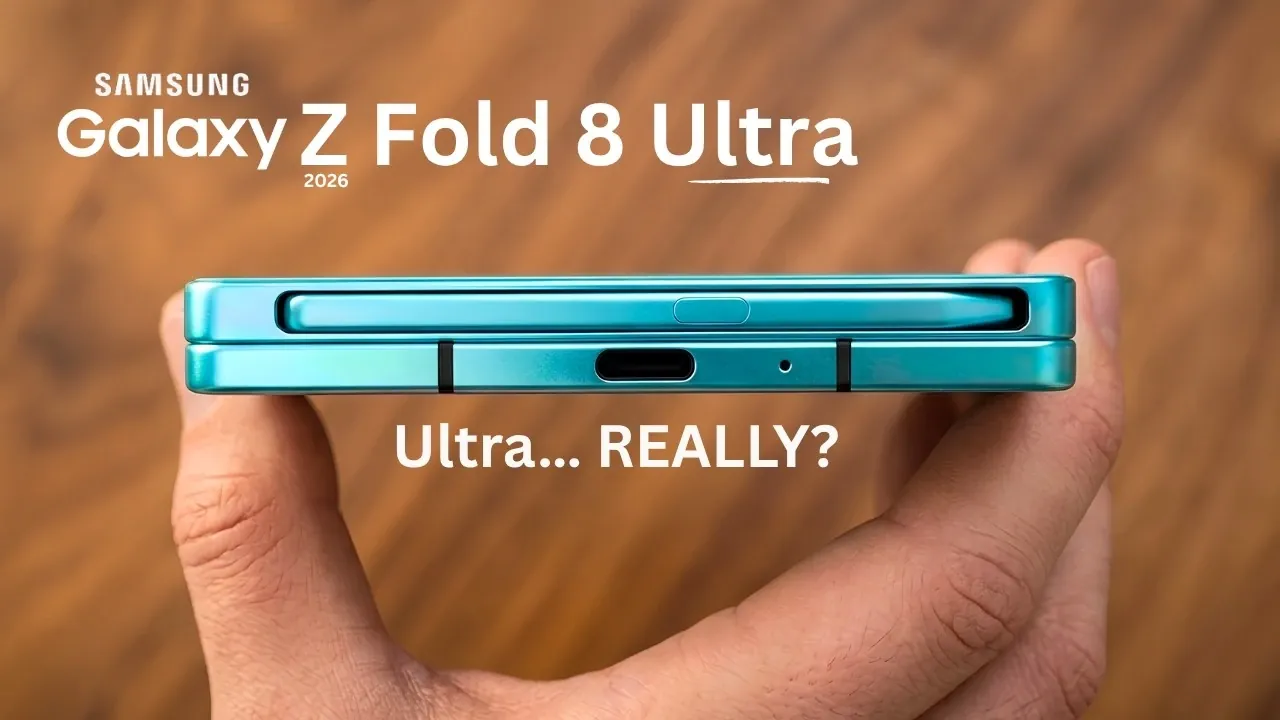
Samsung will launch two foldables, the Galaxy Z Fold 8 and Galaxy Z Fold 8 Ultra, marking a significant step in its foldable smartphone lineup. These models bring notable design changes, a refined naming strategy, and hardware upgrades that aim to enhance the foldable experience. However, some of Samsung’s decisions may spark debate among consumers, particularly regarding the trade-offs involved in achieving a sleeker design and broader appeal.

Streamlined Naming Strategy
Samsung has adopted a simplified naming convention for its foldable devices, aligning with its broader branding strategy. The Galaxy Z Fold 8 replaces the previously rumored “Wide” version, while the Galaxy Z Fold 8 Ultra succeeds the Galaxy Z Fold 7. This shift mirrors Samsung’s use of the “Ultra” label across its flagship products, signaling a focus on premium features and performance.
By distinguishing between the standard and Ultra models, Samsung aims to clarify its product lineup and cater to a wider audience. However, the “Ultra” branding raises expectations, and some consumers may scrutinize whether the Galaxy Z Fold 8 Ultra truly delivers the innovative features associated with this label. This approach underscores Samsung’s effort to balance innovation with practicality, though it also sets a high bar for the Ultra model to meet.
Redesigned Form Factors
The Galaxy Z Fold 8 introduces a wider and shorter design, addressing feedback from users who found previous models unwieldy for one-handed use. This compact form factor enhances portability and usability, making it more practical for everyday tasks. In contrast, the Galaxy Z Fold 8 Ultra retains a taller and more expansive design, catering to users who prioritize screen size and immersive experiences.
These contrasting design philosophies reflect Samsung’s attempt to cater to diverse user preferences. However, the trade-offs are evident. The wider design of the standard model sacrifices some screen real estate, while the taller Ultra model may feel less portable. These choices highlight Samsung’s focus on offering tailored solutions, though they may leave some users debating which model best suits their needs.
Feature Trade-Offs
To achieve a sleeker and more compact profile, the Galaxy Z Fold 8 may omit a rear camera, a decision that could disappoint photography enthusiasts. Meanwhile, the Galaxy Z Fold 8 Ultra, despite its premium branding, is rumored to lack features traditionally associated with the “Ultra” label, such as S Pen support, advanced zoom cameras, and privacy displays. These omissions suggest that Samsung is prioritizing design and practicality over feature richness.
While this approach may appeal to users seeking a streamlined device, it could alienate those who expect a comprehensive feature set from a premium product. The absence of certain features raises questions about whether Samsung’s trade-offs align with consumer expectations, particularly for the Ultra model.
Hardware Enhancements
Despite the compromises, both models introduce notable hardware upgrades. The Galaxy Z Fold 8 Ultra is expected to feature a 5,000mAh battery, providing extended usage for power users. Additionally, 45W fast charging ensures quicker recharges, while a 50MP ultrawide camera enhances photography capabilities. These improvements demonstrate Samsung’s commitment to advancing core technologies, even as it makes sacrifices in other areas.
The Galaxy Z Fold 8 also benefits from hardware refinements, though details remain limited. These upgrades highlight Samsung’s focus on delivering a balanced user experience, combining performance with practicality. However, the absence of certain premium features may temper enthusiasm among some consumers.
Competitive Landscape
Samsung’s updates to its foldable lineup come amid intensifying competition in the foldable smartphone market. The introduction of the Ultra branding appears to position Samsung against rumors of an Apple foldable iPhone Ultra, signaling a potential rivalry between the two tech giants. This competitive dynamic underscores the importance of innovation and differentiation in maintaining market leadership.
Price adjustments are also anticipated, continuing the trend of premium pricing for foldable devices. As competitors enter the market with alternative designs and features, Samsung faces the challenge of balancing innovation, pricing and consumer expectations to retain its position as a leader in the foldable segment.
Launch and Availability
The Galaxy Z Fold 8 and Galaxy Z Fold 8 Ultra are set to debut at Samsung’s Unpacked event on July 22, 2026. This launch provides an opportunity for Samsung to showcase its latest innovations and address consumer concerns. Early case leaks have already revealed design differences between the two models, fueling anticipation ahead of the official unveiling.
The timing of the launch is critical, as it allows Samsung to position its foldable devices as flagship products for the second half of the year. This strategic move aims to capitalize on consumer interest and reinforce Samsung’s commitment to the foldable market.
What to Consider as a Buyer
If you’re considering a foldable smartphone, the Galaxy Z Fold 8 and Galaxy Z Fold 8 Ultra offer distinct advantages tailored to different user preferences. The Galaxy Z Fold 8’s wider design enhances portability and one-handed usability, making it a practical choice for everyday use. On the other hand, the Galaxy Z Fold 8 Ultra caters to those seeking a premium, immersive experience with a larger screen and enhanced hardware.
However, potential buyers should weigh these benefits against the absence of certain features, such as S Pen support or advanced camera capabilities. These trade-offs reflect Samsung’s attempt to cater to a broad audience, but they may leave some users questioning whether the compromises align with their priorities.
Shaping the Future of Foldables
The Galaxy Z Fold 8 and Galaxy Z Fold 8 Ultra represent a bold evolution in Samsung’s foldable lineup. With a streamlined naming strategy, contrasting design philosophies, and targeted hardware upgrades, these models aim to redefine the foldable experience. However, the absence of key features and potential price increases could influence consumer reception.
As the foldable market continues to grow, Samsung’s latest offerings will play a pivotal role in shaping the future of this innovative segment. Whether these changes resonate with you will depend on your priorities as a user, portability, premium features, or a balance of both.
Learn more about the Samsung Galaxy Z Fold 8 with other articles and guides we have written below.
- Samsung Galaxy Z Fold 8 ‘Wide’ Leak: A New 200g Design to Counter the iPhone Fold
- Samsung Finally Fixed It: The Galaxy Z Fold 8 Wide Ditches the Narrow Screen
- The Crease is Finally Gone: Samsung’s New ‘Dual-Layer’ Glass Tech for the Galaxy Z Fold 8
- Samsung Finally Fixed the Fold: First Look at the Z Fold 8 Wide Design
- Samsung Galaxy Z Fold 8 Surprise: The ‘Wide’ Model is Finally Real
Source & Image Credit: Talks Daily Tech
Disclosure: Some of our articles include affiliate links. If you buy something through one of these links, Geeky Gadgets may earn an affiliate commission. Learn about our Disclosure Policy.
