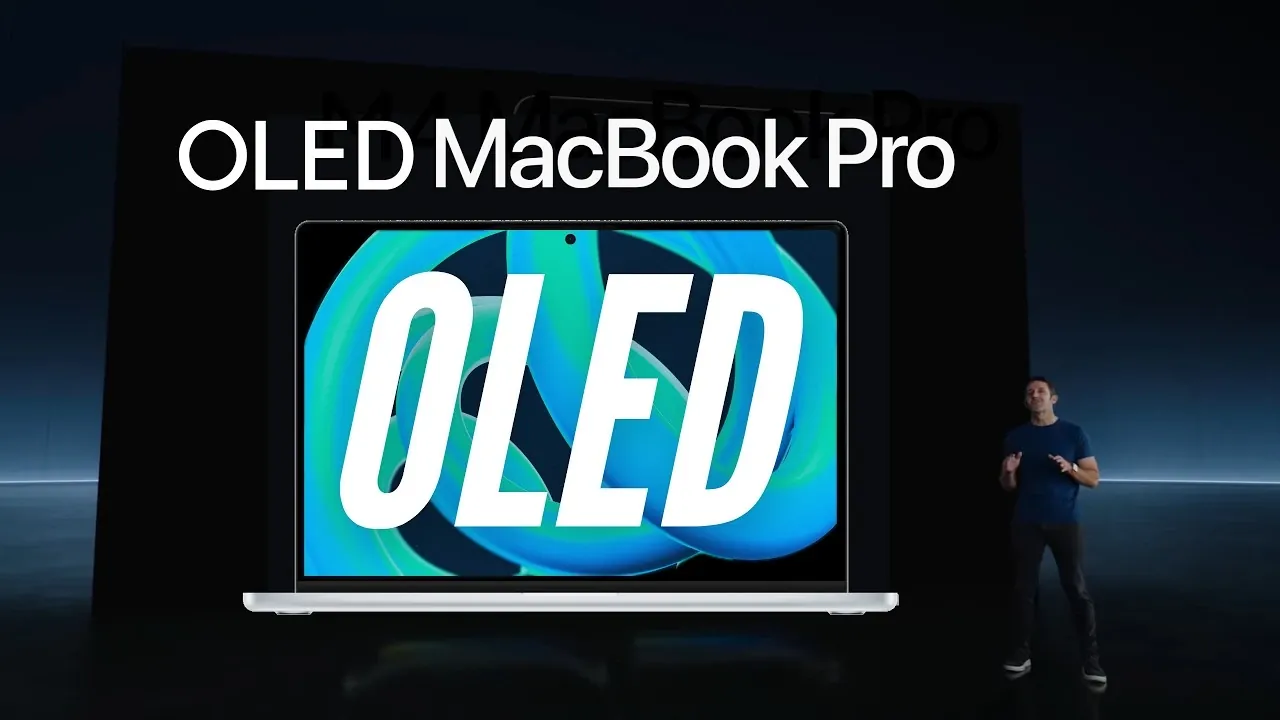
Apple is preparing to introduce OLED display technology to its MacBook Pro lineup, marking a pivotal moment in the evolution of its laptops. This long-anticipated upgrade aligns with advancements in display manufacturing and the growing demand for superior visual experiences. However, challenges such as global RAM shortages and high production costs could delay the release until late 2026 or early 2027. Here’s a closer look at what this significant update could mean for you.

The Importance of OLED Technology
OLED technology represents a substantial improvement over the mini-LED displays currently used in MacBook Pros. Thanks to Samsung’s advancements in OLED production, including achieving over 90% yield rates on Gen 8.6 OLED panels, large-scale manufacturing has become viable. This breakthrough opens the door for Apple to adopt OLED displays in its flagship laptops.
For users, OLED displays offer several key benefits:
- Unmatched Contrast Ratios: OLED panels deliver deeper blacks and brighter whites, creating a more immersive viewing experience.
- Vivid Color Accuracy: The technology enables richer, more vibrant colors, ideal for tasks requiring precise visual detail.
- Enhanced HDR Performance: Creative professionals will appreciate the improved clarity and color precision for photo and video editing.
Additionally, innovations such as tandem OLED technology and oxide TFT backplanes enhance brightness, durability and energy efficiency. These advancements ensure that OLED panels meet the rigorous demands of professional workflows while maintaining Apple’s reputation for high-quality design and performance.
Potential Challenges to the Launch Timeline
Despite the readiness of OLED technology, several obstacles could delay the release of the OLED MacBook Pro. A primary concern is the ongoing global shortage of RAM, driven by the increasing demand from AI servers. High-end MacBook Pro models, which require substantial memory capacities, are particularly affected by this supply chain issue.
Apple faces the challenge of balancing these constraints while delivering innovative technology. The reliance on advanced components like high-performance RAM adds complexity to the manufacturing process, potentially pushing the launch to late 2026 or even 2027. For consumers, this means a longer wait for what promises to be a new device.
Anticipated Features and Innovations
The OLED MacBook Pro is expected to introduce a range of features that could redefine the user experience. Here’s what you might expect:
- Touchscreen Functionality: Apple may finally integrate touch capabilities into its laptops, a feature that could attract users familiar with touch-enabled devices in the Windows ecosystem.
- Sleeker Design: OLED panels allow for thinner and lighter devices, aligning with Apple’s focus on portability and aesthetics.
- Improved Energy Efficiency: When paired with Apple’s silicon chips, the new design could offer enhanced performance while consuming less power.
These features suggest a significant evolution in how you might interact with a MacBook Pro, particularly if you rely on it for creative or professional tasks. The potential addition of a touchscreen, combined with Apple’s hardware and software ecosystem, could make this device a versatile tool for a wide range of workflows.
Market Position and Pricing
The OLED MacBook Pro is likely to target creative professionals and power users who demand top-tier performance and display quality. By combining advanced display technology with Apple’s proprietary silicon and macOS ecosystem, this laptop is positioned as a premium offering. However, the inclusion of OLED technology and potential design changes are expected to come at a higher price point.
There is also speculation about a possible rebranding of this model as the “MacBook Ultra.” While unconfirmed, such a move could signal Apple’s intent to create a specialized product line tailored to high-performance users. For consumers, this could mean a more distinct segmentation of Apple’s laptop offerings, with the OLED MacBook Pro positioned as the ultimate choice for professionals.
Software Adaptations for Touchscreen Integration
If Apple introduces a touchscreen to the MacBook Pro, significant updates to macOS will likely follow. A redesigned user interface would be necessary to optimize usability across touch, trackpad and keyboard inputs. For users, this could translate into a more versatile device capable of adapting to various tasks, from sketching and editing to coding and presenting.
Such updates would not only enhance the functionality of the MacBook Pro but also ensure a seamless experience for users transitioning between different input methods. This integration of hardware and software could further solidify Apple’s reputation for delivering cohesive and intuitive user experiences.
A Glimpse into the Future of Laptops
The OLED MacBook Pro represents more than just a hardware upgrade, it signifies a new chapter in Apple’s laptop innovation. By combining innovative display technology with enhanced performance and usability, Apple is poised to set a new standard for professional laptops. While challenges such as RAM shortages and production costs may delay its release, the potential benefits make it a highly anticipated product.
For now, the tech world eagerly awaits Apple’s next move as it works to overcome these hurdles and deliver a device that could redefine the capabilities of professional laptops. Whether you’re a creative professional, a tech enthusiast, or someone seeking the best tools for productivity, the OLED MacBook Pro promises to be a compelling option worth the wait.
Learn more about OLED MacBook Pro with other articles and guides we have written below.
- MacBook Ultra Leak: Apple’s Secret Plans for a Touchscreen OLED Powerhouse
- M6 MacBook Pro Leaks: Apple’s Biggest Redesign in 5 Years Revealed
- Apple’s M6 MacBook Pro: The Switch to OLED and the End of the Notch
- M6 MacBook Pro Leaks: OLED, Touchscreen and a Total Redesign?
- Apple “Big Week” Day 1: M5 Pro and M5 Max MacBook Pros are imminent
Source & Image Credit: SaranByte
Disclosure: Some of our articles include affiliate links. If you buy something through one of these links, Geeky Gadgets may earn an affiliate commission. Learn about our Disclosure Policy.
