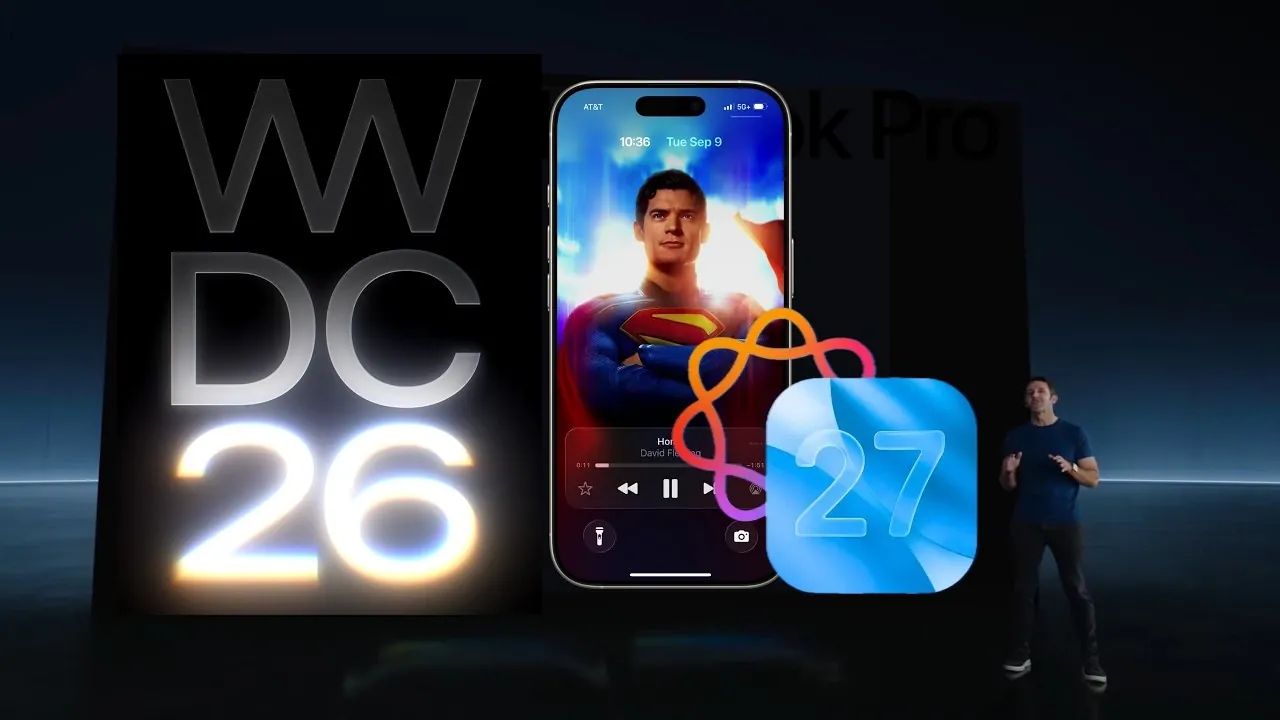
Apple is preparing to make generative AI the focal point of its WWDC 2026 event, signaling a significant shift in its technological priorities. The creation of a dedicated “genai.apple.com” subdomain underscores this strategic pivot, as the company seeks to address criticism for its perceived slow adoption of artificial intelligence. This move has the potential to reshape how you interact with Apple’s ecosystem, emphasizing practical, intuitive and context-aware AI applications that integrate seamlessly into daily life. The video below from SaranByte gives us more details on what Apple has planned for AI and WWDC 2026.

Generative AI: The Core of Apple’s Vision
The establishment of a generative AI subdomain reflects Apple’s growing commitment to advancing artificial intelligence. At WWDC 2026, generative AI is expected to take center stage, with announcements likely to showcase how this technology will be integrated across Apple’s devices and services. Unlike earlier AI features, which were often criticized for their limited scope and inconsistency, this new approach aims to deliver tools that are both innovative and indispensable.
Generative AI has the potential to transform how you create, communicate and interact with your devices. Whether it’s drafting emails, generating creative content, or automating repetitive tasks, Apple’s focus is on making AI a seamless and valuable part of your everyday routines. By embedding AI deeply into its ecosystem, Apple aims to provide solutions that feel natural and intuitive, enhancing both productivity and convenience.
Siri’s Transformation: A Smarter, More Conversational Assistant
One of the most anticipated updates at WWDC 2026 is a comprehensive overhaul of Siri. Historically viewed as lagging behind competitors, Siri is expected to become significantly more conversational and context-aware. Imagine asking Siri to schedule a meeting and it not only understands your request but also recalls relevant details from previous interactions. This conversational memory could enable natural, back-and-forth exchanges, making Siri feel less robotic and more intuitive.
Enhanced capabilities will also include deeper integration with Apple’s apps and services. For instance, you could say, “Open my latest email attachment and add it to my presentation,” and Siri would execute the task seamlessly. These updates aim to address long-standing frustrations with Siri’s limited functionality, positioning it as a more competitive and reliable virtual assistant. By focusing on practical improvements, Apple is working to make Siri a central part of its AI strategy.
AI-Driven Accessibility Enhancements
Apple’s advancements in AI are set to significantly improve accessibility, making sure its devices are more inclusive for all users. By using natural language processing and voice control, Apple aims to simplify interactions, particularly for individuals with disabilities. For example, you could describe an action in plain language, such as “dim the bedroom lights”—and the system would interpret and execute the command without requiring rigid phrasing.
These improvements reduce the need for precise, pre-programmed commands, creating technology that adapts to you rather than the other way around. This focus on accessibility highlights Apple’s broader mission of designing user-friendly and inclusive technology that enables everyone, regardless of their abilities.
Seamless AI Integration Across the Apple Ecosystem
Apple’s tightly integrated ecosystem has long been one of its defining strengths and the company plans to use this advantage in its AI strategy. By accessing data from apps like Mail, Calendar and Photos, Apple’s AI tools aim to deliver personalized and contextually relevant experiences. For example, when planning a trip, your device could automatically suggest itineraries based on past travel habits, upcoming events and saved locations.
This deep integration ensures that AI interactions feel personal and intuitive, aligning with Apple’s goal of simplifying technology. The aim is to make AI a natural extension of your daily routines, seamlessly blending into the tasks you perform across Apple’s ecosystem. By doing so, Apple hopes to set its AI offerings apart from competitors by emphasizing practicality and ease of use.
What to Expect in iOS 27
The upcoming iOS 27 is expected to introduce a range of AI-driven features designed to enhance productivity and convenience. Key highlights include:
- Visual Intelligence: Tools that can scan nutrition labels to track dietary information or automatically add business card details to your contacts.
- Conversational Shortcuts: The Shortcuts app will allow you to create automations using natural language. For example, you could say, “Set up a morning routine that turns on the lights, starts the coffee maker and plays the news,” and the system would configure it for you.
- Smarter Safari: Safari will gain the ability to automatically name tab groups based on their content, improving organization and usability.
These features demonstrate Apple’s focus on practical applications of AI, designed to save you time and effort in everyday tasks. By embedding AI into core functionalities, Apple aims to make its devices more efficient and user-friendly.
Challenges Ahead
Despite these promising developments, Apple faces significant challenges as it seeks to establish itself as a leader in AI. The company must address criticism for its slow progress in AI innovation, especially as competitors like OpenAI and Google continue to push boundaries. To succeed, Apple will need to balance innovative AI capabilities with practical, real-world applications that resonate with users.
Privacy and security will also play a critical role in Apple’s AI strategy. By making sure that data personalization and ecosystem integration are handled responsibly, Apple can differentiate its offerings while maintaining user trust. This commitment to privacy could serve as a key advantage, particularly as concerns about data security continue to grow.
The Road Ahead for Apple’s AI Vision
Apple’s renewed focus on AI, as anticipated at WWDC 2026, represents a pivotal moment for the company. By prioritizing generative AI, conversational capabilities and seamless ecosystem integration, Apple aims to redefine how you interact with technology. These advancements are not about flashy features but about creating tools that simplify and enhance your daily life. As Apple steps into this new era of AI, its mission remains clear: to deliver intuitive, user-focused technology that adapts to your needs and evolves with you.
Become an expert in Generative AI with the help of our in-depth articles and helpful guides.
- Google’s New AI Music Tool Gives You 500 Free Credits Every Day
- First look at New Midjourney v7 Image Generator : 50 Different Prompts Tested
- The Tensor G6 Makes the Google Pixel 11 Pro XL Unstoppable
- Best Enterprise SEO Agencies Helping Tech Startups Scale in 2026
- Best 5 AI Video Generators Compared : See Which Delivers True Realism
Source & Image Credit: SaranByte
Disclosure: Some of our articles include affiliate links. If you buy something through one of these links, Geeky Gadgets may earn an affiliate commission. Learn about our Disclosure Policy.
