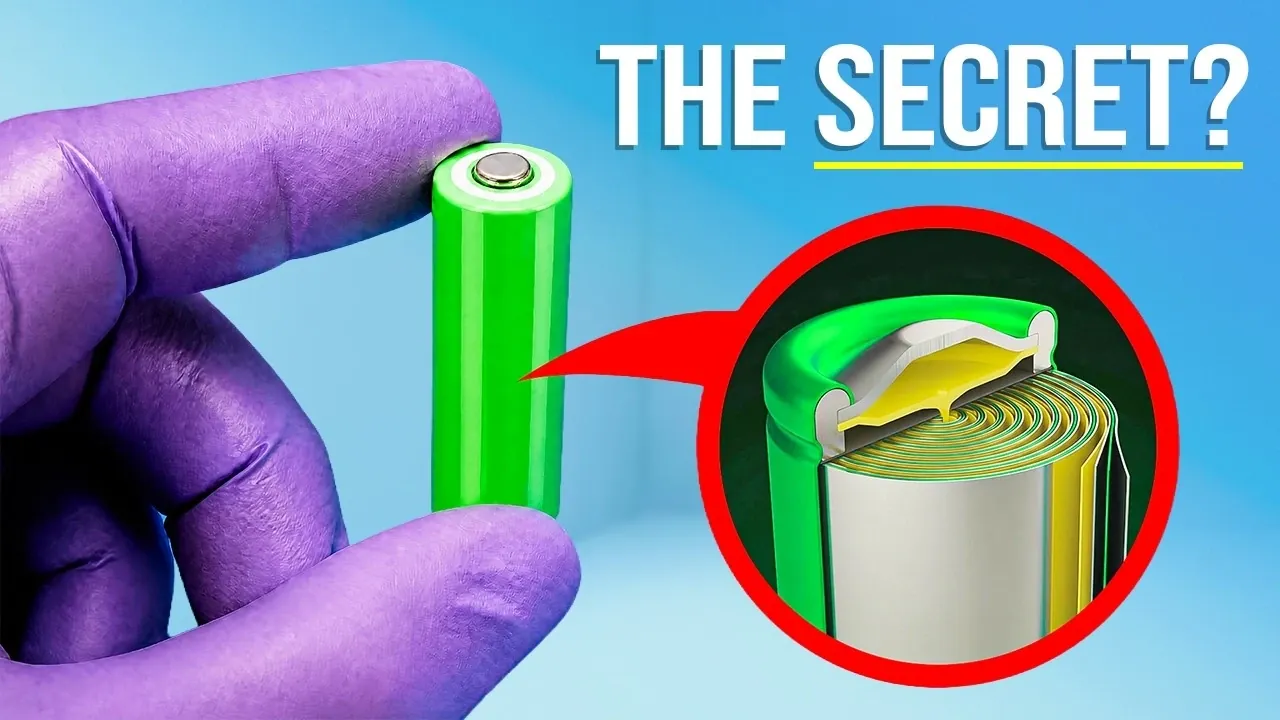
Lithium-ion batteries have transformed energy storage, but their production process has long relied on liquid-based methods that are both time-consuming and resource-intensive. In a recent breakdown by Ziroth, the spotlight is on dry electrode coating, a solvent-free manufacturing technique that eliminates the need for liquid slurries and energy-intensive drying stages. This approach not only reduces production costs by an estimated 20-25% but also enables the creation of thicker cathodes, which can increase energy density. By addressing both cost and performance, dry electrode coating could significantly advance the accessibility and efficiency of technologies like electric vehicles and renewable energy systems.
Explore how this method is reshaping the global battery supply chain, from reducing reliance on traditional infrastructure to allowing localized production in regions like the U.S. and Europe. Gain insight into the technical challenges manufacturers face, such as optimizing polymer blends for scalability and learn how companies like Tesla are driving innovation in this space. Whether you’re interested in the mechanics of dry electrode technology or its implications for future energy solutions, this overview provides a clear look at the path forward for battery manufacturing.
The Importance of Reducing Battery Costs
TL;DR Key Takeaways :
- Lithium-ion battery costs have dropped by over 90% in the past decade and the innovative dry electrode coating process could reduce manufacturing costs by an additional 20-25%.
- Dry electrode coating eliminates the need for liquid solvents and energy-intensive drying, streamlining production, reducing costs and improving environmental sustainability.
- This technology enables the creation of thicker cathodes, increasing energy density and enhancing battery performance for electric vehicles, portable electronics and renewable energy systems.
- Challenges such as material compatibility and scalability are being addressed through polymer blends and advanced roller-based techniques to ensure consistent quality in mass production.
- Dry electrode coating could decentralize battery manufacturing, reducing reliance on foreign supply chains and allowing localized production in regions like the U.S. and Europe.
Although lithium-ion batteries are more affordable than ever, further cost reductions are critical to accelerating the global shift to sustainable energy and transportation. Dry electrode coating has the potential to lower manufacturing costs by an additional 20-25%, making it a fantastic option for the industry. By eliminating the need for liquid slurries and energy-intensive drying ovens, this process significantly reduces production expenses. For consumers, this translates to more affordable electric vehicles, energy storage systems and other advanced technologies. Lower costs could also help bridge the gap between clean energy solutions and widespread adoption, making sustainable options more accessible to a broader audience.
The Mechanics of Dry Electrode Coating
Traditional lithium-ion battery production relies on liquid slurries to bind active materials, followed by lengthy drying processes that consume significant energy and time. Dry electrode coating replaces this method with a solvent-free approach. Using polymers like PTFE (polytetrafluoroethylene), electrode powders are bound into a cohesive, dry film without the need for liquid solvents. This eliminates the drying stage entirely, streamlining the manufacturing process and reducing energy consumption. The result is a more efficient, cost-effective and environmentally friendly production method that could reshape the battery industry.

Explore further guides and articles from our vast library that you may find relevant to your interests in energy.
- The Island is Shrinking: iPhone 18 Pro Max Leaks Confirm Apple’s Cleanest Display Ever
- The Best Camera Ever: Why the iPhone 18 Pro’s Variable Aperture is the Real Star of 2026
- Ultimate Apple Watch Accessory: EnergyLink Charging Watch Band
- How the Super Soaker Inventor Built a Heat Engine Without Moving Parts
- iPhone 18 Pro: What Apple Isn’t Telling You Yet
- Best Phone Battery Life 2025: OnePlus 15, vivo X300 Pro, & iPhone 17 Pro Max
- The Battery BATTLE ROYALE – iPhone, Pixel, Galaxy, Xiaomi – Who Wins the Drain Test
- iOS 27 Leaks Reveal the End of an Era: Apple’s New Priorities Confirmed
- Apple Just Dropped iOS 26.5 RC2: Here’s Everything New
- Apple Home vs Google Home: How iOS 27 Changes the Ecosystem
Overcoming Technical Challenges
While dry electrode coating offers numerous advantages, scaling the technology for mass production presents several challenges. One major hurdle lies in the interaction between cathode materials and PTFE binders, which can sometimes compromise battery performance. To address this, manufacturers are experimenting with polymer blends, such as combining PTFE with PVDF (polyvinylidene fluoride), to enhance chemical stability and performance. Additionally, roller-based techniques are being developed to improve scalability and ensure consistent quality during production. These innovations are essential for overcoming technical barriers and making dry electrode coating a viable solution for large-scale manufacturing.
Performance Enhancements and Energy Density
One of the most compelling benefits of dry electrode coating is its potential to improve battery performance. By avoiding binder migration, a common issue in traditional methods, this process enables the creation of thicker cathodes, which directly increases energy density. Higher energy density allows batteries to store more energy, resulting in longer-lasting electric vehicles, more efficient portable electronics and improved renewable energy storage systems. Furthermore, dry electrode coating is compatible with solid-state batteries, which require moisture-sensitive manufacturing environments. For consumers, this means access to next-generation batteries that are not only more powerful but also more reliable and durable.
Transforming the Global Battery Supply Chain
The adoption of dry electrode coating could have profound implications for the global battery supply chain. Traditional wet electrode processes require specialized infrastructure, much of which is concentrated in Asia. In contrast, dry electrode coating eliminates the need for such infrastructure, creating opportunities for regions like the U.S. and Europe to establish localized battery production facilities. This shift could reduce reliance on foreign supply chains, enhance energy security and foster greater independence in battery manufacturing. By decentralizing production, dry electrode technology has the potential to reshape the global manufacturing landscape and promote a more balanced distribution of resources.
The Future of Battery Manufacturing
Dry electrode coating represents a significant step forward in the evolution of battery technology. While challenges remain, ongoing research and development efforts are steadily addressing these obstacles, paving the way for broader adoption. Companies like Tesla are leading the charge, investing in the refinement and scalability of this innovative process. As dry electrode coating becomes more widespread, it is expected to play a pivotal role in both current lithium-ion batteries and emerging solid-state technologies. For consumers, this means a future where energy storage solutions are not only more affordable but also more sustainable and efficient, driving progress toward a cleaner, greener world.
Media Credit: Ziroth
Disclosure: Some of our articles include affiliate links. If you buy something through one of these links, Geeky Gadgets may earn an affiliate commission. Learn about our Disclosure Policy.
