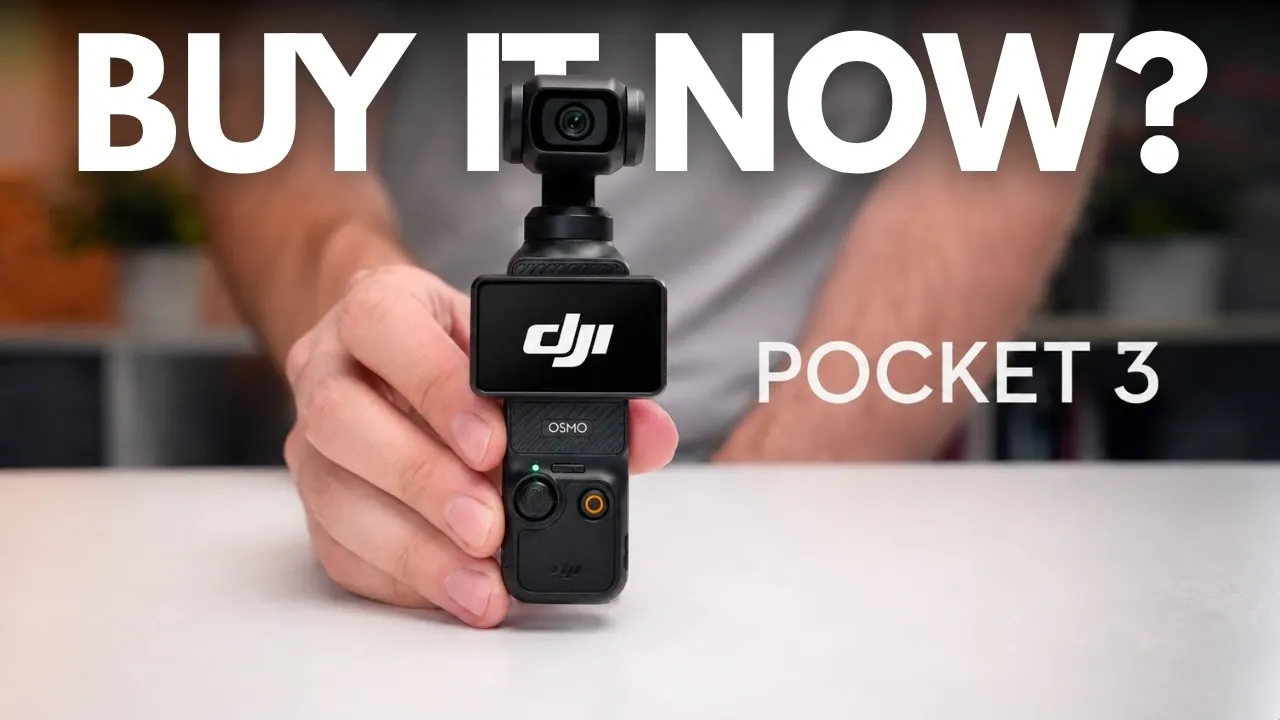
The DJI Pocket 3, launched in late 2023, remains a relevant option in 2026 for those seeking a compact camera with solid performance. Featuring a 1-inch image sensor, it delivers notable image quality and excels in low-light conditions, making it suitable for travel vloggers and hobbyist filmmakers. According to Tech Court, the Pocket 3 continues to hold its ground against newer models like the Pocket 4 and Pocket 4P, particularly for creators balancing cost and functionality.
Explore how the Pocket 3 stacks up against its successors, including specific differences in features like telephoto capabilities and dynamic range. Learn about the benefits of its mechanical stabilization and compatibility with professional-grade video formats. This breakdown also examines whether the Pocket 3 remains a practical choice for creators deciding between upgrading or sticking with this model in 2026.
DJI Pocket 3 Features
TL;DR Key Takeaways :
- The DJI Pocket 3, launched in late 2023, remains a competitive and budget-friendly compact camera option in 2026, appealing to creators, travelers and hobbyists.
- Its standout features include a 1-inch image sensor for superior image quality, three-axis mechanical stabilization for smooth footage and a rotating OLED touchscreen for versatile framing.
- Additional features like 10-bit video recording, vertical shooting, live streaming and compatibility with DJI’s wireless microphone system make it a versatile tool for content creators.
- While newer models like the Pocket 4 and Pocket 4P offer advanced features such as improved dynamic range and a telephoto lens, the Pocket 3 remains a cost-effective choice for those prioritizing affordability and proven performance.
- By 2026, the Pocket 3’s reduced price and reliable functionality make it an attractive option for creators seeking a balance between quality and budget, despite incremental advancements in newer models.
The DJI Pocket 3 is equipped with a range of features that cater to content creators seeking a portable yet powerful camera. Its standout component is the 1-inch image sensor, which is uncommon in compact cameras. This sensor delivers superior image quality, enhanced low-light performance and a natural depth of field, making sure vibrant and detailed visuals that rival more expensive devices.
Here are the key features that define the Pocket 3:
- Stabilization: The three-axis mechanical gimbal provides smooth, professional-grade stabilization, outperforming electronic stabilization systems in dynamic shooting scenarios.
- Display: A rotating OLED touchscreen enhances usability by allowing easy framing from various angles, whether you’re shooting selfies or capturing unique perspectives.
- Portability: Its compact and lightweight design makes it an ideal travel companion, easily fitting into a pocket or small bag for on-the-go shooting.
- Audio: Compatibility with DJI’s wireless microphone system ensures high-quality sound capture, making it suitable for vlogs, interviews and live streams.
- Video Capabilities: Support for 10-bit recording, DLOG and HLG formats enables professional-grade video production. Additionally, vertical shooting and live streaming features cater to social media creators looking to produce engaging content.
These features make the Pocket 3 a versatile tool for a wide range of applications, from travel vlogging and casual filmmaking to everyday content creation.
How Does It Compare to the Pocket 4 and Pocket 4P?
The DJI Pocket 4 and Pocket 4P, released after the Pocket 3, bring several advancements to the table. However, these upgrades may not be essential for every user, especially those who prioritize affordability and practicality. A closer comparison highlights the differences:
- Pocket 4: Features improved dynamic range, faster charging, extended battery life and high frame rate recording capabilities, such as 4K at 240fps for ultra-smooth slow-motion videos.
- Pocket 4P: Adds a 3x telephoto lens, which is ideal for tighter framing and capturing distant subjects without compromising image quality.
While these enhancements are valuable, they come at a higher price point. For users who don’t require features like a telephoto lens or advanced dynamic range, the Pocket 3 remains a practical and cost-effective choice. Its core strengths, such as the 1-inch sensor and mechanical stabilization—are more than sufficient for most everyday needs, making it a reliable option for creators who value simplicity and performance.

Browse through more resources below from our in-depth content covering more areas on DJI Pocket 3.
- Why the DJI Osmo Pocket 4P Might Disappoint Social Media Creators
- DJI Osmo Pocket 4P Global Launch is Finally Here
- DJI Mini 6 Pro Launch is Highly Unlikely Before Late 2026
- Insta360 Luna Ultra vs DJI Pocket 3: Which Pocket Camera Wins?
- Why the Insta360 Luna Ultra Could Dethrone DJI’s Pocket Cameras
- The Overlooked DJI Mini 4K Alternative That Doesn’t Require a Smartphone
- Inside the Massive DJI Osmo Pocket 4P Upgrade : 17 Stops of Dynamic Range & More
- How the Insta360 Luna Ultra Challenges DJI’s Cinematic Dominance
- DJI Osmo Pocket 3 vs. Luna Pro: Which One Is Actually Worth Buying?
- Why the DJI Osmo Pocket 4 Might Not Be the Upgrade You Expected
Why the Pocket 3 Still Shines in 2026
By 2026, the DJI Pocket 3 has become widely available at discounted prices, further solidifying its appeal as a budget-friendly option. Both new and used units are accessible, though buyers should carefully evaluate used devices for functionality and physical condition to ensure a worthwhile purchase.
Here’s why the Pocket 3 continues to stand out:
- Affordability: Its reduced price makes it an attractive alternative to newer models, especially for those entering the world of content creation.
- Proven Performance: The Pocket 3’s features remain competitive, offering reliable performance for users who prioritize practicality over innovative technology.
- Incremental Upgrades: Recent advancements in camera technology have been more incremental than innovative, meaning the Pocket 3 still meets the needs of most creators without requiring a significant investment.
Regional price variations may influence the overall value proposition of the Pocket 3 compared to the Pocket 4 and Pocket 4P. However, for those who prioritize affordability and proven functionality, the Pocket 3’s price-to-performance ratio is difficult to beat.
What to Consider Before Buying
If you’re in the market for a compact, reliable and budget-friendly camera, the DJI Pocket 3 remains an excellent choice in 2026. Its combination of a 1-inch sensor, mechanical stabilization, and support for modern video recording formats ensures high-quality results across a variety of use cases, including travel, vlogging and casual filmmaking.
That said, if your creative projects require the latest features, such as a telephoto lens, enhanced dynamic range, or ultra-high frame rates, the Pocket 4 or Pocket 4P may be worth the additional investment. However, it’s important to remember that storytelling, lighting and composition often play a more significant role in content creation than minor hardware upgrades. The Pocket 3 provides all the essential tools needed to create compelling content without overspending, making it a practical choice for creators at any level.
Ultimately, the decision to purchase the Pocket 3 depends on your specific needs and budget. For those seeking a reliable, feature-rich camera at a reasonable price, the Pocket 3 remains a standout option in 2026.
Media Credit: Tech Court
Disclosure: Some of our articles include affiliate links. If you buy something through one of these links, Geeky Gadgets may earn an affiliate commission. Learn about our Disclosure Policy.
