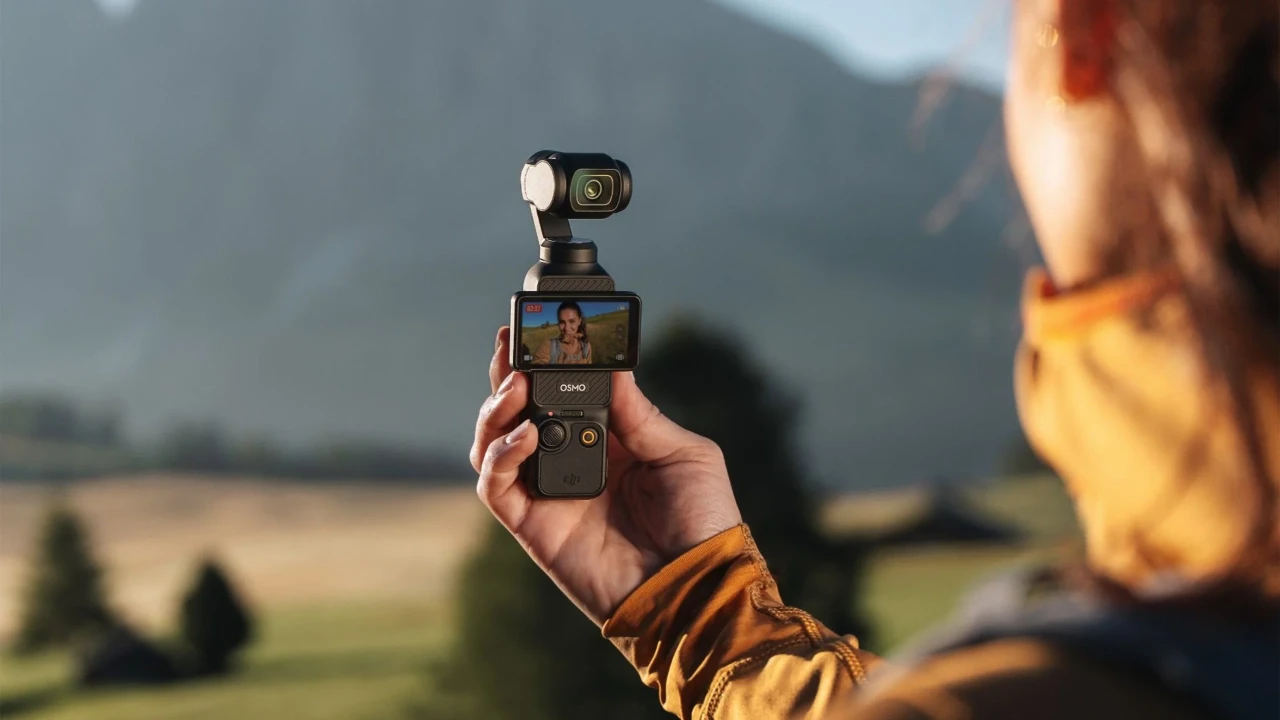
If you are shopping for a pocket-sized gimbal camera, you have likely noticed that the market is more competitive than ever. For years, having a stabilized camera that could fit into a pocket was a novelty. Today, it is a primary tool for creators, travel videographers, and everyday vloggers.
Two of the most talked-about options in this space are the DJI Osmo Pocket 3 and the Luna Pro (single-camera version).
On paper, this matchup looks like a fierce technical battle. Both brands promise to deliver the ultimate pocket filmmaking experience, leading many buyers to feel overwhelmed by the sheer volume of specifications. But when you look past the marketing noise and examine how these devices actually perform in daily life, a much clearer buying picture emerges.
Rather than chasing every single spec on a sheet, the smartest way to choose between them is to focus on real-world utility. Let’s dive deep into how they compare, where their differences actually matter, and which one offers the best value for your hard-earned money.
Core Imaging: A Level Playing Field
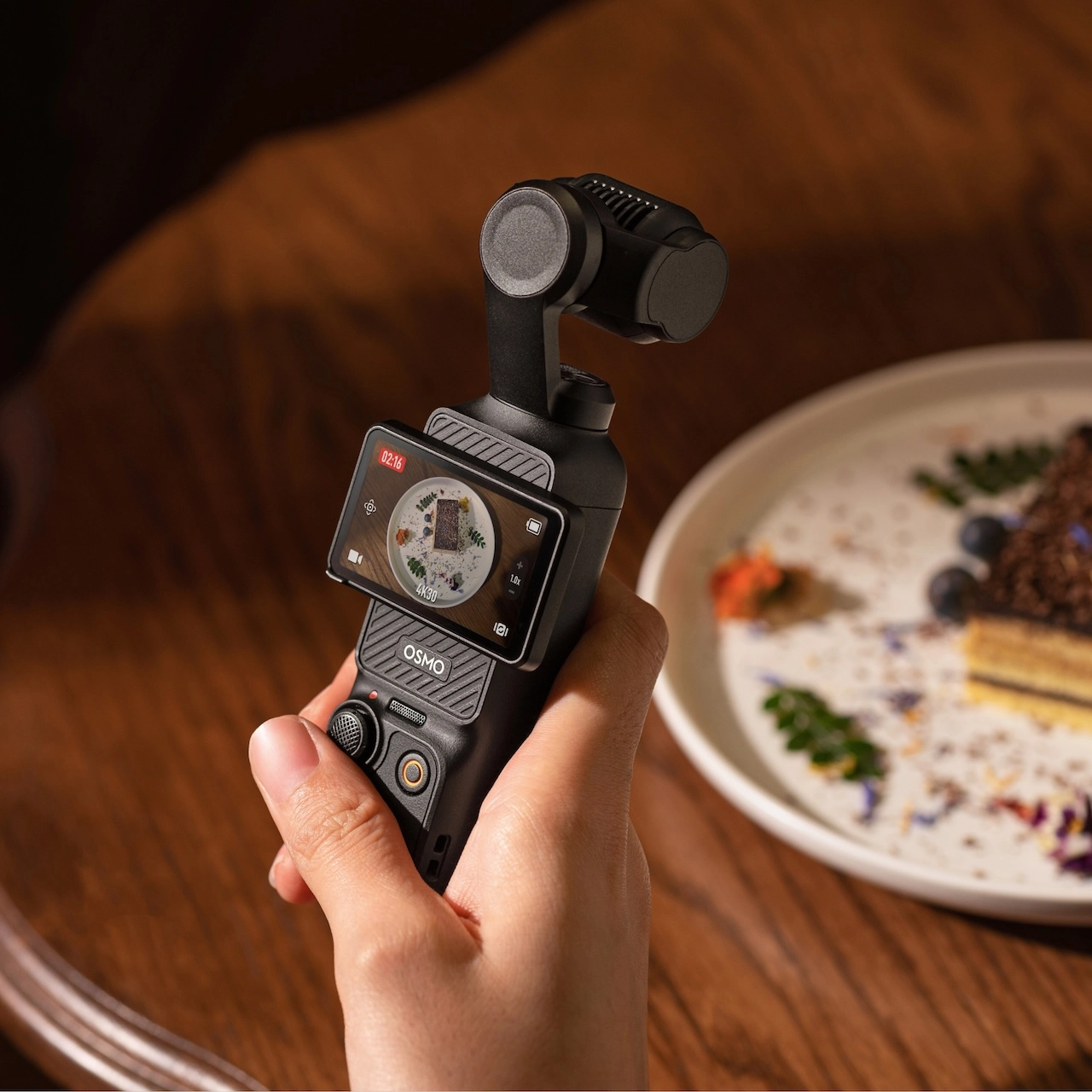
It is incredibly easy to get swept up in competitive marketing, but let’s start with the absolute foundation of any camera: the sensor, lens glass, and basic light-gathering capabilities.
For the vast majority of everyday shooting scenarios—like walking-and-talking vlogs, family gatherings, travel diaries, and quick social media clips—the image quality between these two is remarkably close.
- The 1-Inch CMOS Sensor: Both the Osmo Pocket 3 and the Luna Pro single-camera version feature a large 1-inch CMOS sensor. In the world of pocket cameras, a 1-inch sensor is the gold standard. It provides a massive leap in image quality compared to smartphones, offering excellent low-light performance, clean details, and a beautiful, natural background blur (bokeh) that makes your subject pop.
- The f/2.0 Aperture: Both lenses sport a fast f/2.0 aperture. This wide aperture allows plenty of light to hit the sensor, which is crucial for maintaining crisp, noise-free footage when you transition from a bright outdoor street into a dimly lit restaurant or indoor lifestyle setting.
- Digital Zoom: Both devices support digital zoom, giving you the flexibility to frame tighter shots on the fly without physically moving closer to your subject.
Real-World Takeaway on Image Quality
Whether you are filming daytime street footage, capturing indoor lifestyle scenes, or recording a classic selfie-style vlog, the baseline image experience, color depth, and overall sharpness are very similar. For many everyday shooting scenarios, the differences are small enough that most users will find both cameras capable of producing excellent-looking footage. This means that for the vast majority of creative needs, either camera can deliver polished, professional-looking results.
Key Differences: High-End Specs vs. Everyday Practicality
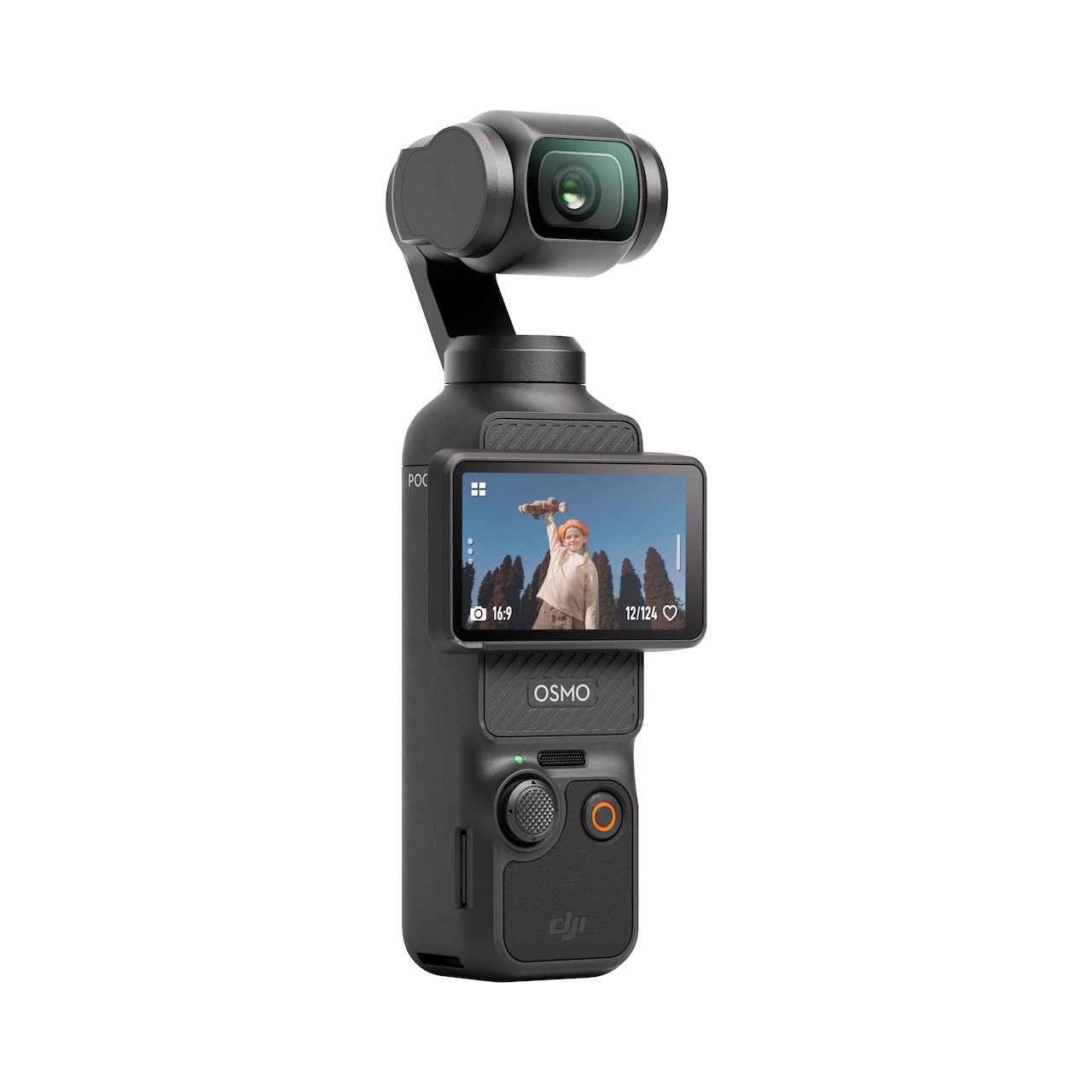
While their core imaging capabilities are closely aligned, the two cameras begin to diverge when we look at their advanced features. The Luna Pro pushes the envelope in several technical areas, but those additional capabilities also contribute to its premium positioning. For many buyers, the real question isn’t simply which camera has the longest specification sheet—it’s whether those extra features justify the additional cost for the type of content they create every day. For travel, lifestyle, and everyday vlogging, the Osmo Pocket 3 already delivers the features most creators are likely to use.
Let’s look at the key specifications side-by-side to understand exactly what each camera brings to the table:
| Feature | DJI Osmo Pocket 3 | Luna Pro (Single-Cam) |
|---|---|---|
| Sensor Size | 1-inch CMOS | 1-inch CMOS |
| Aperture | f/2.0 | f/2.0 |
| Max Video Resolution / Frame Rate | 4K at 120fps | 4K at 240fps |
| Color Profiles & Dynamic Range | 10-bit D-Log M | 10-bit, 14-stop dynamic range (Leica tuning) |
| Display Screen | 2-inch rotating OLED | 2-inch detachable rotating OLED |
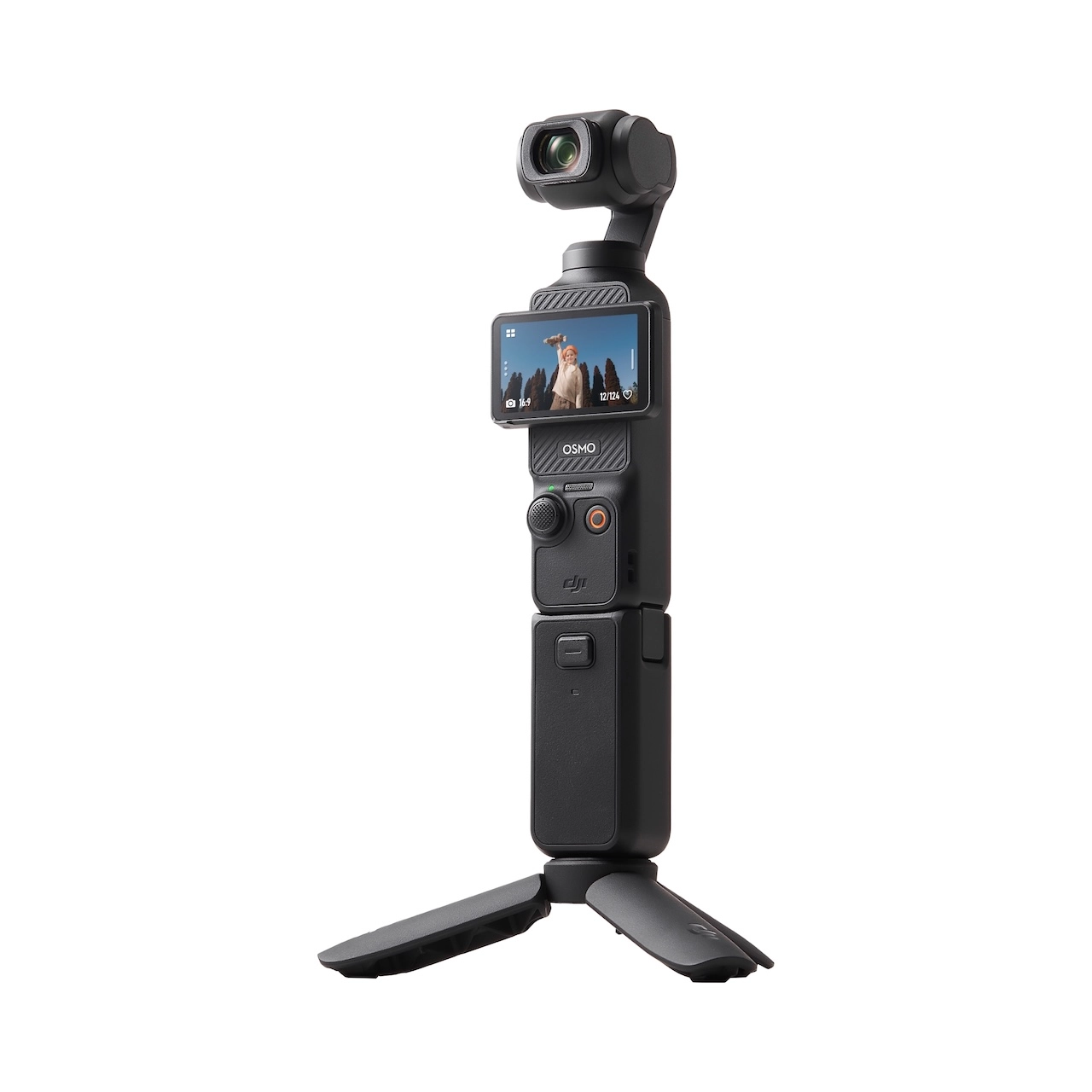
| Body Design | Integrated, reliable single unit | Modular detachable structure |
| Battery Life & Capacity | 166 mins (1300mAh) | 240 mins (1500mAh) |
| Weight | 179g | ~150g |
Decoding the Advanced Features: Do You Actually Need Them?
To make an informed purchase, we need to translate these specifications into real-world utility. Let’s break down the major areas of difference and analyze how they impact your day-to-day shooting experience.
Video Frame Rates: 4K/120fps vs. 4K/240fps
The Luna Pro boasts a higher slow-motion ceiling with 4K recording at 240 frames per second (fps). While this is a highly impressive technical achievement, it is important to put it into perspective.
The DJI Osmo Pocket 3 shoots 4K at 120fps, which already allows you to slow down your footage by 5 times in buttery-smooth Ultra HD. For almost all travel, lifestyle, and vlogging needs, 120fps is more than enough to capture elegant b-roll, splashing water, or walking shots. The 240fps option on the Luna Pro is a niche tool primarily useful for extreme sports or highly specialized slow-motion analysis—scenarios that also require massive amounts of storage space and optimal lighting to look good.
Color & Dynamic Range: D-Log M vs. Leica Tuning
Both cameras cater to creators who like to color-grade their footage by offering 10-bit color spaces.
- Luna Pro highlights a 14-stop dynamic range and Leica tuning, which appeals to cinema purists who want a specific, pre-tuned aesthetic straight out of the camera.
- DJI Osmo Pocket 3 utilizes DJI’s highly proven 10-bit D-Log M and HLG color profiles. DJI’s color science is an industry staple, meaning there are thousands of ready-made LUTs (color presets) and tutorials available online. The color workflow on the Pocket 3 is incredibly seamless, giving you a beautiful, rich starting point for grading without a steep learning curve.
Display and Usability: Fixed vs. Detachable Rotating OLED
Both cameras feature vibrant, 2-inch OLED touchscreen displays, but they take very different approaches to how those screens function.
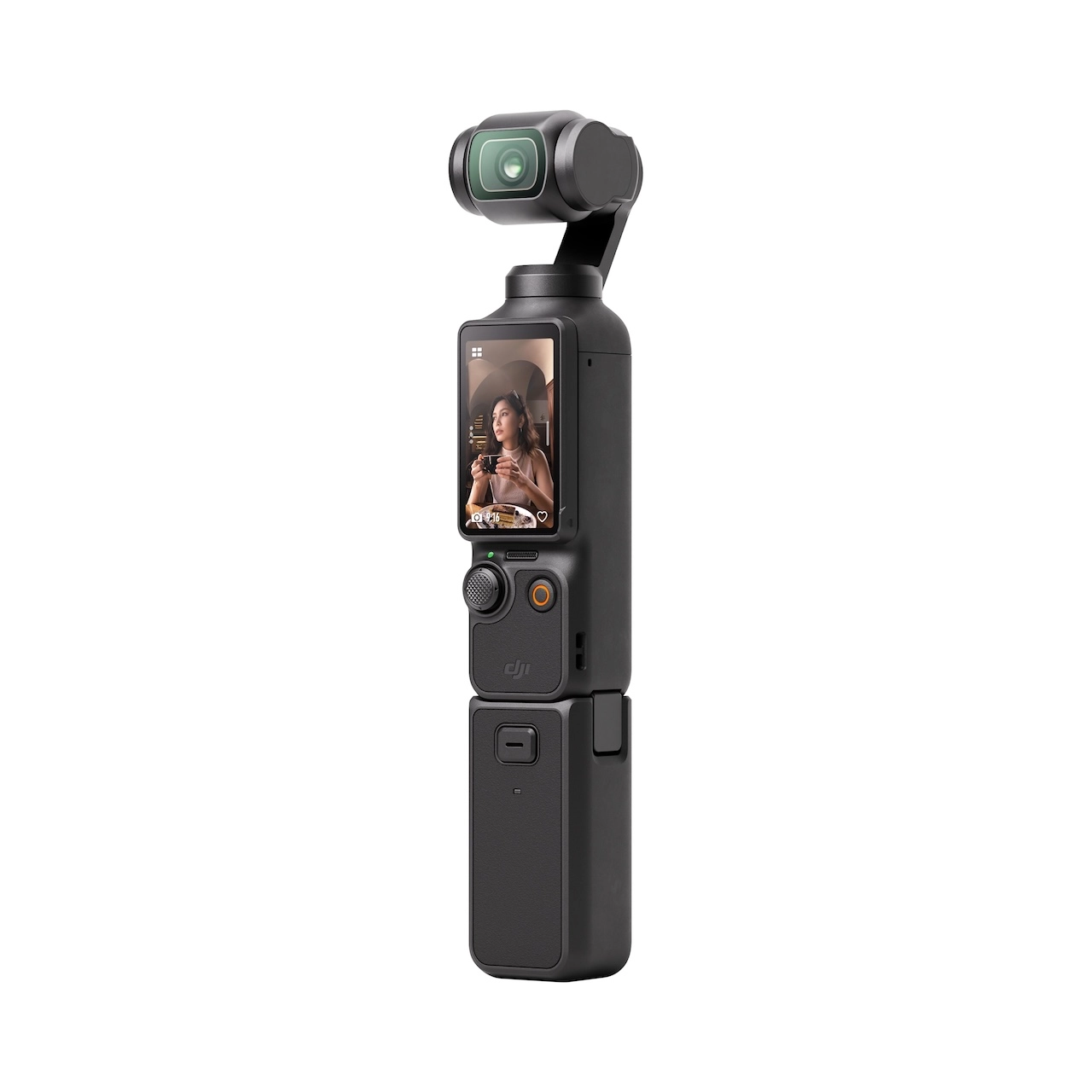
The Osmo Pocket 3 features a highly intuitive rotating screen. When the camera is off, a simple flick of your thumb rotates the screen horizontally, instantly powering on the device and prepping it to record within two seconds. This design is incredibly fast, simple, and mechanical.
The Luna Pro introduces a detachable rotating OLED display. While having a detachable screen can be useful for unique rigging setups where you need to monitor your shot from a short distance, it also introduces complexity. A detachable screen is another piece of hardware you have to charge, manage, and potentially drop or lose while traveling. For the run-and-gun creator, the Pocket 3’s all-in-one integrated simplicity is often much more practical.
Modular Design vs. Integrated Reliability
The Luna Pro’s modular construction is designed for users who want to swap out components or customize their rig.
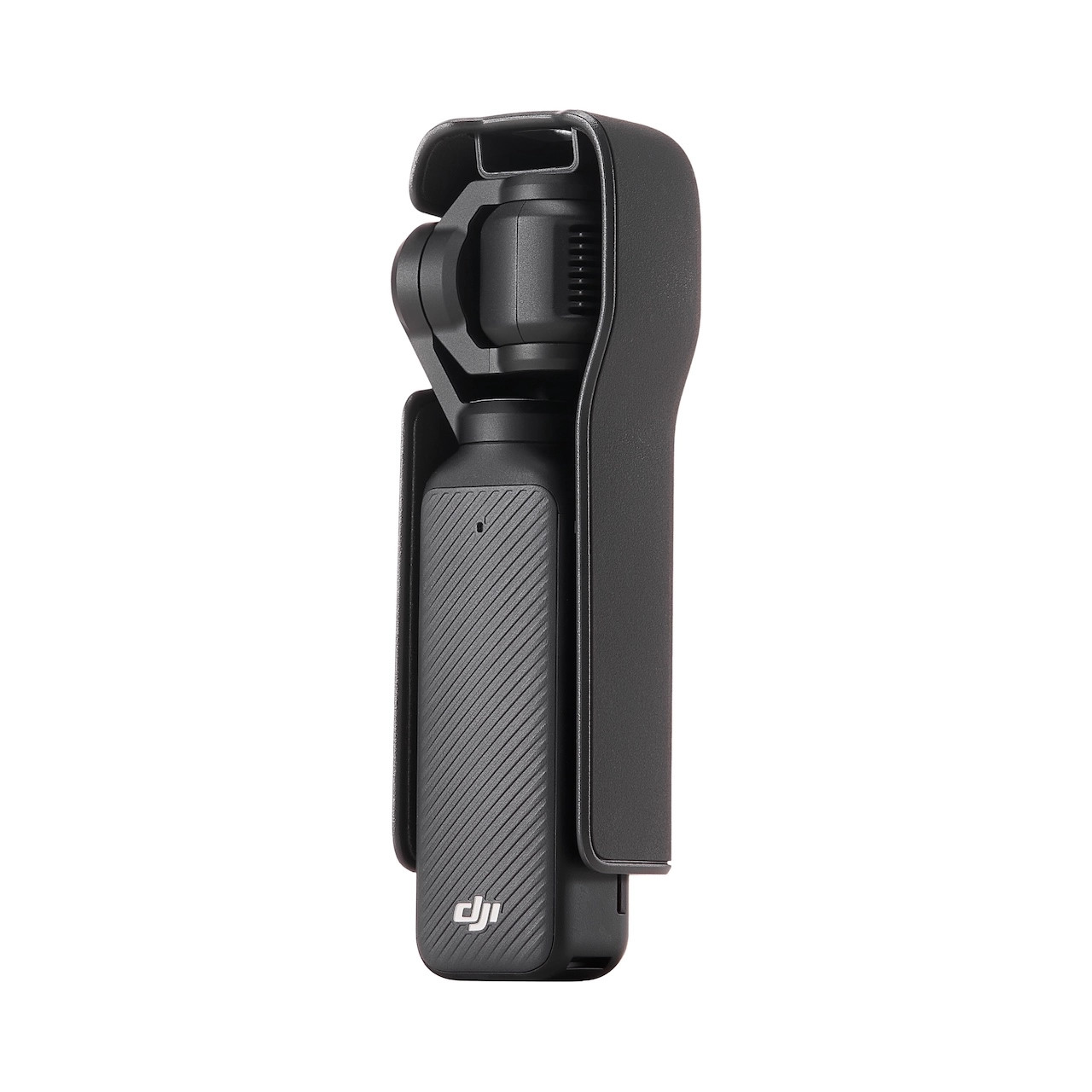
However, modularity also introduces additional complexity. Swappable components offer greater flexibility for advanced users, but they also mean having more accessories to carry, manage, and keep track of while travelling. By comparison, the Osmo Pocket 3’s integrated design keeps everything in a single compact unit that’s quick to deploy, easy to pack, and well-suited to everyday travel and vlogging.
Battery Life: 166 Minutes vs. 240 Minutes
The Luna Pro features a larger 1500mAh battery offering up to 240 minutes of operating time, whereas the Osmo Pocket 3 has a 1300mAh battery that delivers 166 minutes.
While the Luna Pro offers longer battery life on paper, the Pocket 3’s 166 minutes is still more than sufficient for a typical day of intermittent shooting. It also supports ultra-fast charging, reaching 80% in just 16 minutes, helping minimise battery concerns during longer shooting days.
Weight: A Small Difference in Practice
The Luna Pro is slightly lighter at around 150g compared with the Osmo Pocket 3’s 179g. While this may appeal to users looking to minimise every gram of gear, both cameras remain comfortably pocket-sized and highly portable. For most travel creators, the difference is unlikely to have a significant impact during everyday use.
The Smart Buying Framework: Who Wins Where?
When you step back and look at the big picture, the choice between these two cameras shouldn’t be about who has the longest list of advanced features. It should be about which device makes your creative process easier and represents a smarter investment.
The Core Insight: Most users don’t ultimately choose a camera based on which one has the most aggressive, niche technical specs. They choose based on which product feels more worth buying for their actual daily needs.
To help you make the right choice, ask yourself these practical questions:
- Do I really need to shoot in 240fps slow-motion, or is smooth 120fps slow-motion more than enough for my travel videos?
- Will I actually use a detachable modular screen, or do I prefer the simplicity of a quick-twist screen that lets me start recording in seconds?
- Am I willing to pay a premium price for high-end, low-frequency features that I might only use once or twice a year?
If your priorities are strong core image quality, effortless daily usability, reliable stabilization, exceptional travel portability, and getting the best value for your money, then the DJI Osmo Pocket 3 is the more sensible purchase. It focuses on the features most creators use every day rather than asking buyers to pay extra for capabilities they may only occasionally need.
Conclusion: Same Essentials, Better Value
The Luna Pro is undoubtedly an impressive piece of hardware, but its strengths lie in advanced, premium features that cater primarily to niche users and specialty filmmakers.
For mainstream creators, lifestyle vloggers, and budget-conscious buyers, the DJI Osmo Pocket 3 delivers the same essential performance where it matters most. It captures beautiful, cinematic footage using a comparable 1-inch sensor, but packages it in a highly reliable, straightforward design that simply works.
By choosing the Osmo Pocket 3, you aren’t compromising on the quality of your content. Instead, you’re investing in a camera that delivers the core imaging performance most creators need, while avoiding the added cost of premium features that many users may rarely use. For travel, vlogging, and everyday content creation, it represents a smart balance of performance, simplicity, and overall value.
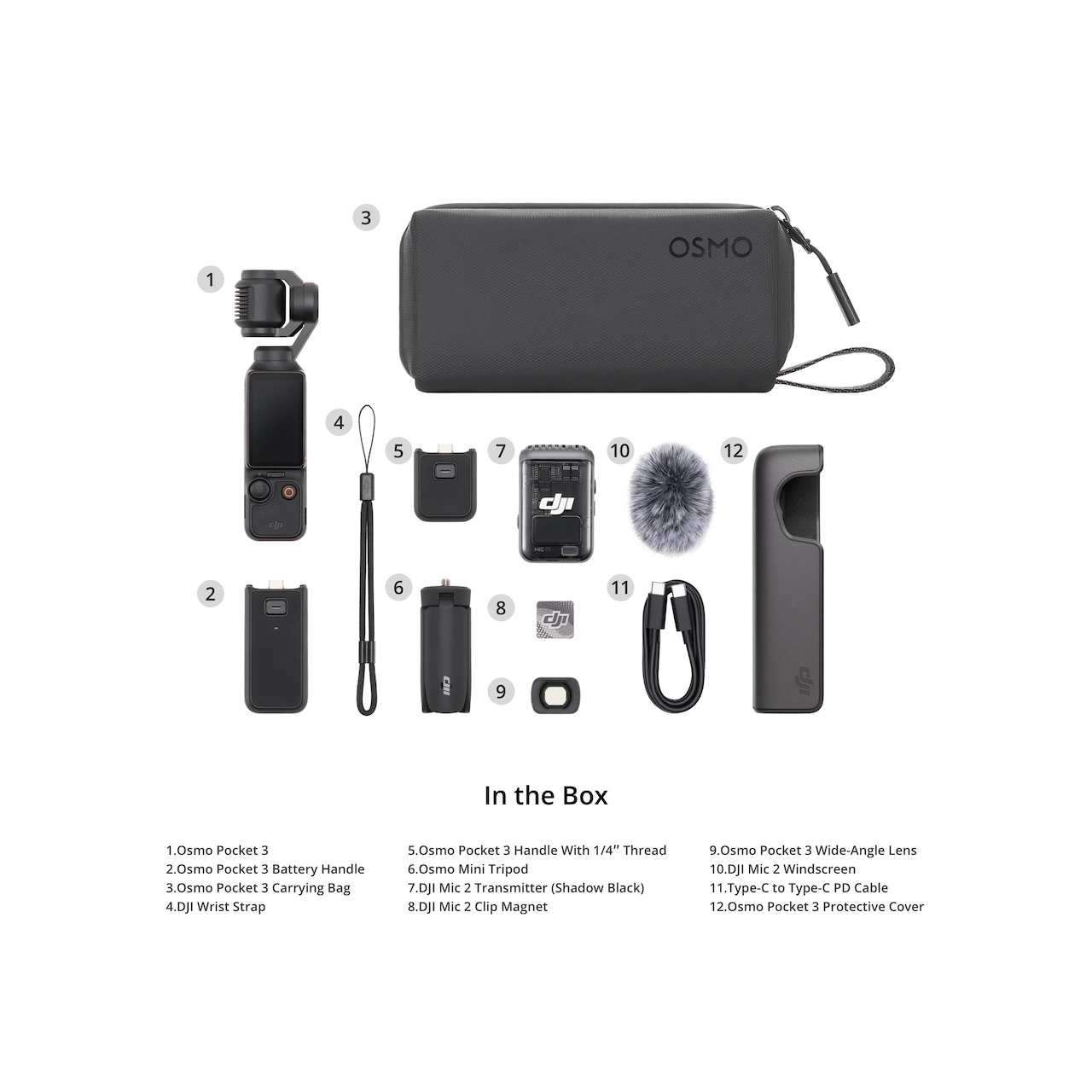
The DJI Osmo Pocket 3 All-in-One Edition is available for $549 until the 31st of July, you can find out more information over at Amazon.
Disclosure: Some of our articles include affiliate links. If you buy something through one of these links, Geeky Gadgets may earn an affiliate commission. Learn about our Disclosure Policy.
