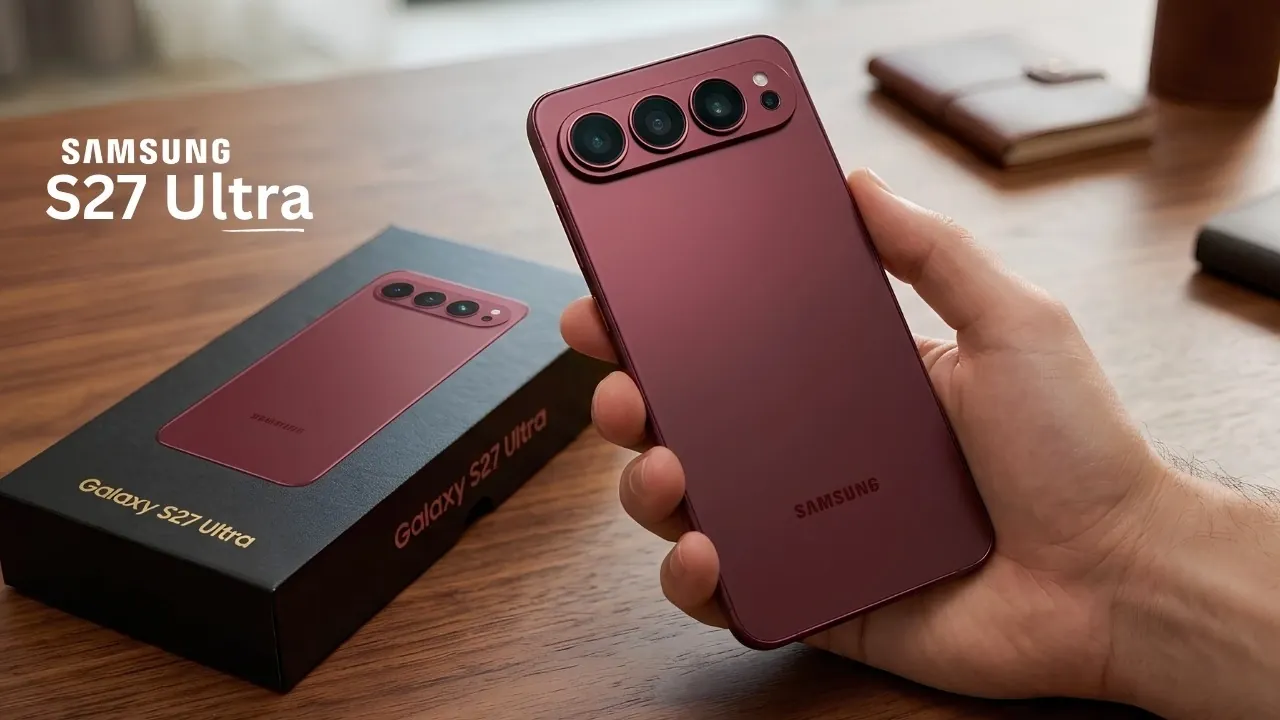
The Samsung Galaxy S27 Ultra, once anticipated as a new addition to the flagship smartphone market, appears to fall short of its lofty promises. Early reports indicate that the device may lack key technological advancements such as LPDDR6 RAM and UFS 5.0 storage, features that were expected to set new benchmarks for performance. Instead, these innovative components might be reserved for exclusive, limited-edition models, leaving many of you questioning whether the Galaxy S27 Ultra justifies its premium price point. The video below from Talks Daily Tech gives us more details about the rumored handset.

What Happened to LPDDR6 RAM and UFS 5.0 Storage?
For those of you who have been closely following advancements in smartphone technology, LPDDR6 RAM and UFS 5.0 storage were heralded as the next big steps in mobile performance. LPDDR6 RAM was expected to deliver faster memory bandwidth and improved energy efficiency, allowing smoother multitasking and better battery life. Similarly, UFS 5.0 storage, with its theoretical speeds of up to 10.8 GB/s, promised to transform data transfer rates, app performance and overall system responsiveness.
However, leaks suggest that the Galaxy S27 Ultra may not include these advancements. This omission could be disappointing for tech enthusiasts and professionals who rely on innovative hardware for demanding tasks. Without these upgrades, the S27 Ultra risks falling behind its competitors and failing to meet the high expectations set by its predecessors. For a flagship device, the absence of such features raises questions about whether it can truly deliver the performance many of you expect.
Why UFS 5.0 Could Have Been a Defining Feature
For power users, UFS 5.0 storage could have been a pivotal feature of the Galaxy S27 Ultra. Its faster read and write speeds would have significantly improved app loading times, file transfers, and overall system efficiency. Beyond speed, UFS 5.0’s enhanced energy efficiency could have supported advanced features such as real-time AI processing for image recognition, voice commands and augmented reality applications.
In a competitive market where performance is a key differentiator, the absence of UFS 5.0 could make the Galaxy S27 Ultra less appealing. Competing brands are already integrating similar innovations into their flagship devices, and Samsung’s decision to omit this technology may hinder its ability to stand out. For those of you seeking a smartphone that excels in both speed and efficiency, this omission could be a significant drawback.
The Rising Costs of Flagship Smartphones
If you’re considering upgrading to the Galaxy S27 Ultra, it’s important to be aware of the rising costs associated with flagship devices. Samsung’s latest offering is expected to be its most expensive yet, driven by several factors, including increased manufacturing expenses and higher component costs. Qualcomm’s next-generation Snapdragon processors, likely to power the S27 Ultra, come with higher production costs, which Samsung may pass on to you.
This trend is not unique to Samsung. The company recently raised prices on its foldable smartphones, reflecting broader cost pressures across the tech industry. For consumers like you, this means that flagship devices are becoming increasingly expensive, even as their value proposition comes under scrutiny. The Galaxy S27 Ultra’s premium price tag may be harder to justify without the inclusion of anticipated features like LPDDR6 RAM and UFS 5.0 storage.
Supply Chain Challenges and Their Impact
The global tech industry continues to grapple with supply chain disruptions and rising production costs, challenges that have forced manufacturers to rethink their pricing strategies. Samsung is no exception. The company’s recent price hikes for foldable devices highlight the financial strain of sourcing advanced components in a volatile market.
For flagship smartphones like the Galaxy S27 Ultra, these challenges translate into higher retail prices. As a consumer, you may find yourself paying more for a device that offers fewer new features than expected. This trend underscores the growing difficulty of balancing innovation with affordability in today’s competitive market.
Is the Galaxy S27 Ultra Worth the Investment?
As you evaluate whether the Galaxy S27 Ultra is worth its premium price, it’s essential to consider what the device offers, and what it lacks. While the S27 Ultra is expected to feature advanced camera technology and a powerful Snapdragon processor, the absence of LPDDR6 RAM and UFS 5.0 storage could leave you questioning its overall value.
In a market where flagship smartphones are increasingly defined by their ability to push technological boundaries, your decision may hinge on whether the S27 Ultra delivers a compelling mix of performance, durability and innovation. Without the anticipated advancements, the device risks falling short of the high-performance standards many of you associate with premium smartphones. For those of you seeking the latest and greatest in mobile technology, the Galaxy S27 Ultra may not fully meet your expectations.
A Flagship Facing Tough Questions
The Samsung Galaxy S27 Ultra was positioned to redefine the flagship smartphone experience, but the absence of key features like LPDDR6 RAM and UFS 5.0 storage raises significant questions about its value. Coupled with rising production costs and supply chain challenges, these omissions could make the S27 Ultra one of Samsung’s most expensive and most scrutinized devices to date.
As a potential buyer, you face a critical decision: invest in a device that may not deliver on its initial promises or explore alternatives in an increasingly competitive market. Ultimately, your choice will depend on how well the Galaxy S27 Ultra balances innovation, performance and value in a rapidly evolving tech landscape.
Find more information on LPDDR6 RAM by browsing our extensive range of articles, guides and tutorials.
Source & Image Credit: Talks Daily Tech
Disclosure: Some of our articles include affiliate links. If you buy something through one of these links, Geeky Gadgets may earn an affiliate commission. Learn about our Disclosure Policy.
