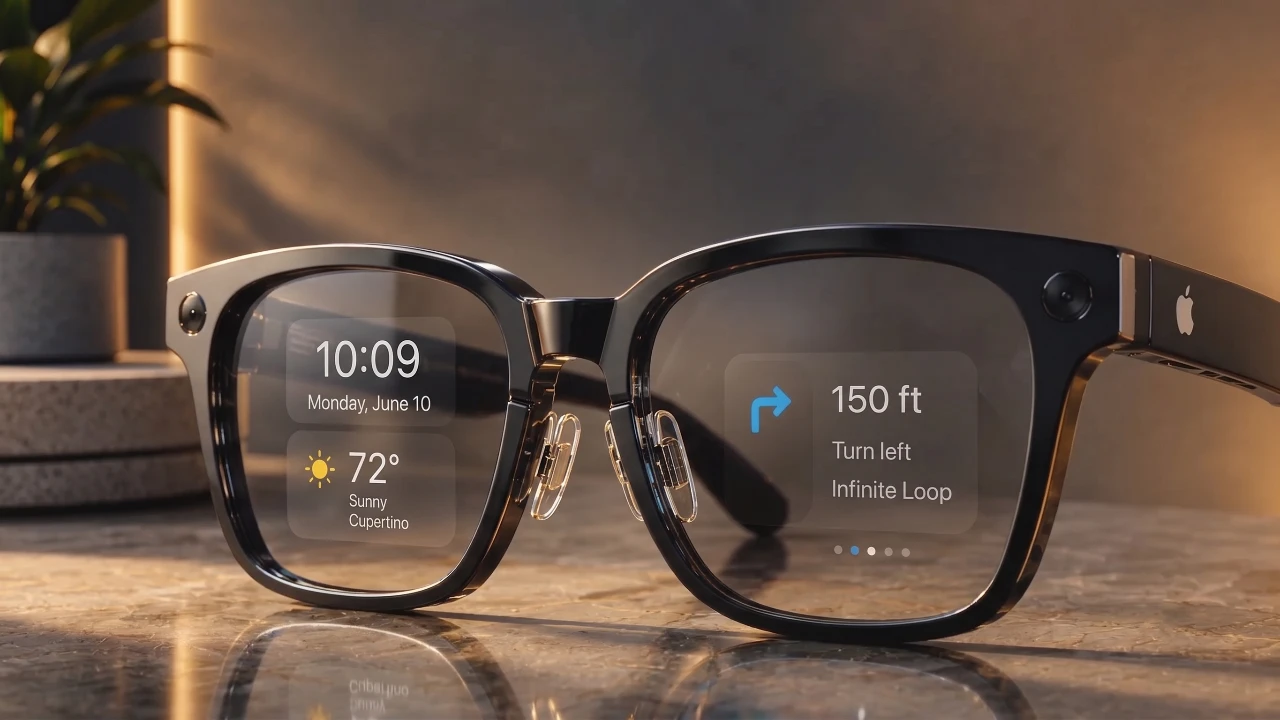
Apple’s highly anticipated smart glasses, initially slated for a 2027 release, have encountered delays as the company shifts its focus toward addressing critical privacy and security concerns. This decision highlights Apple’s dedication to tackling public apprehensions about wearable technology, particularly in light of controversies surrounding competitors like Meta. While Apple refines its approach, rivals such as Samsung are advancing rapidly, potentially gaining an early foothold in the burgeoning smart glasses market.

Why Apple is Delaying Its Smart Glasses
Apple’s decision to delay the launch is rooted in its privacy-first strategy, a cornerstone of its approach to wearable technology. Unlike many competing devices, Apple’s smart glasses will rely on on-device AI processing, making sure that user data remains secure and private. This approach eliminates the need for cloud-based AI training, which has raised significant privacy concerns in other products. Additionally, features like facial recognition, often criticized for their potential misuse, will be notably absent from Apple’s offering.
The delay also reflects Apple’s response to growing public unease about the potential misuse of wearable technology for surveillance. For example, Meta’s Ray-Ban smart glasses have faced criticism for allowing unauthorized recordings, intensifying scrutiny of such devices. By prioritizing privacy and security, Apple aims to differentiate itself from competitors and foster consumer trust, even if it means postponing its entry into the market.
Competitors Are Moving Quickly
While Apple adopts a cautious approach, competitors like Samsung and Meta are moving aggressively to establish their presence in the smart glasses market. Samsung has announced plans to release its smart glasses as early as 2026. These devices will feature audio integration, a single camera, and AI capabilities powered by Google Gemini. Key functionalities include:
- Live translation
- Navigation
- Note-taking
- Point-of-view sharing
Meta, on the other hand, has already secured a significant share of the market with its Ray-Ban smart glasses. Despite facing privacy controversies, Meta’s early entry and partnerships with well-known brands have allowed it to gain traction among consumers. Samsung appears to be following a similar strategy, using collaborations with fashion brands to enhance the appeal of its smart glasses and attract a broader audience.
Design Choices: Apple vs Competitors
Apple’s smart glasses are expected to prioritize subtlety and integration, resembling traditional eyewear rather than futuristic gadgets. This design choice aligns with Apple’s focus on blending advanced AI capabilities seamlessly into everyday life. The absence of a visible display further underscores Apple’s commitment to privacy, as it minimizes the risk of misuse and ensures a more discreet user experience.
In contrast, Samsung’s smart glasses emphasize functionality and style. By partnering with fashion brands, Samsung aims to create a product that is both technologically advanced and visually appealing. Features like live translation and navigation highlight the potential of smart glasses to enhance daily activities, from travel to communication. These design and feature choices reflect Samsung’s strategy to cater to a broader audience, including tech enthusiasts and fashion-conscious consumers.
Privacy Concerns in the Smart Glasses Industry
The rise of smart glasses has sparked widespread concerns about privacy and surveillance. Devices equipped with cameras and microphones can be misused for unauthorized recordings, raising ethical and legal questions. Apple’s approach to privacy safeguards, such as on-device processing and the exclusion of facial recognition, demonstrates its commitment to addressing these challenges head-on.
Competitors like Meta and Samsung have not been immune to criticism regarding their handling of privacy issues. For instance, Meta’s Ray-Ban smart glasses have been linked to incidents of misuse, prompting calls for stricter regulations and oversight. As the industry evolves, privacy will remain a critical factor influencing consumer trust and adoption. Apple’s focus on robust privacy measures positions it as a potential leader in setting industry standards for ethical wearable technology.
Strategic Differences in the Market
Apple’s cautious and deliberate approach contrasts sharply with the strategies of its competitors. By prioritizing privacy and making sure deep integration with its existing ecosystem, Apple aims to deliver a polished product that aligns with its brand values. This strategy mirrors Apple’s previous successes, such as the iPhone and Apple Watch, where a focus on quality and user experience led to long-term market dominance.
Samsung and Meta, however, are pursuing faster market entry and using partnerships to gain an early advantage. Samsung’s collaborations with fashion brands and Meta’s established presence highlight the competitive nature of the smart glasses market. While these strategies may yield short-term gains, Apple’s emphasis on privacy, seamless integration, and user-centric design could position it for sustained success in the long run.
The Road Ahead
Apple’s decision to delay the launch of its smart glasses reflects a deliberate focus on privacy and security, setting it apart in the competitive wearable technology landscape. While competitors like Samsung and Meta race to establish market dominance, Apple’s long-term strategy centers on building consumer trust through features like on-device processing, the absence of facial recognition, and deep integration with its existing ecosystem. As the smart glasses market continues to evolve, privacy safeguards, user-centric design and seamless functionality will likely play pivotal roles in shaping the industry’s future trajectory.
Here are more detailed guides and articles that you may find helpful on Apple Glasses.
- Apple Glasses Leak: The Features That Could Kill Meta’s Ray-Bans
- The Hidden Genius Behind Apple’s Upcoming Smart Glasses
- Leaked: Apple Glasses Reportedly Target a WWDC 2027 Launch
- Why Apple Glasses Could Instantly End Meta’s Smart Glasses Reign
- Apple Glasses Release Date & Pricing Details Revealed
- Apple Glasses Leak Hints at Biggest Launch Since the iPhone
Source & Image Credit: ZONEofTECH
Disclosure: Some of our articles include affiliate links. If you buy something through one of these links, Geeky Gadgets may earn an affiliate commission. Learn about our Disclosure Policy.
