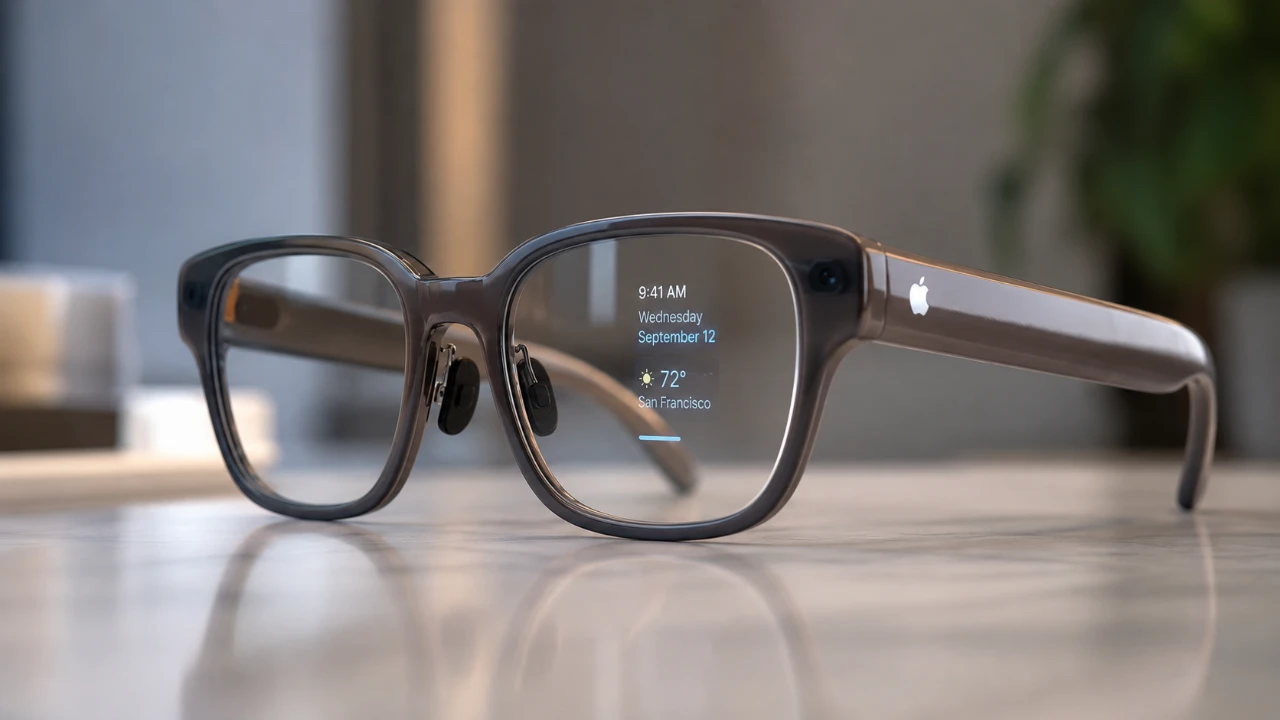
Apple is set to redefine the wearable technology landscape with the highly anticipated launch of its first-generation smart glasses at WWDC 2027. Designed to integrate seamlessly with iPhones, these glasses aim to blend practicality with advanced innovation. While the initial release focuses on essential features, the second generation is expected to elevate augmented reality (AR) experiences to new heights. This marks a significant step forward in wearable tech, offering users a glimpse into the future of everyday technology. The video below from Matt Talks Tech gives us more details.

First-Generation Apple Glasses: A Foundation of Simplicity
The first-generation Apple Glasses are designed to prioritize simplicity and ease of use, offering a streamlined experience for users. Key features include:
- Minimalist Design: Featuring plain glass lenses, built-in speakers and a discreet camera for capturing photos and videos, the design emphasizes functionality without compromising aesthetics.
- Seamless Connectivity: Using Wi-Fi and Bluetooth to connect with iPhones, the glasses offload processing and storage tasks to the phone, making sure a lightweight and comfortable design.
- Siri Integration: Hands-free voice control allows users to perform tasks such as recording notes, responding to messages, or asking questions about their surroundings.
- Music Playback: Compatibility with Apple Music and third-party apps ensures a seamless audio experience for users on the go.
- LiDAR Sensor: Rumored to enhance depth perception and object detection, this feature could improve both functionality and user interaction.
This initial model is crafted to establish a solid foundation for wearable technology, focusing on practicality and user-friendly features.
Second-Generation Apple Glasses: Advancing Augmented Reality
The second-generation Apple Glasses are expected to introduce advanced AR capabilities, transforming how users interact with their environment. Anticipated features include:
- Heads-Up Display (HUD): Real-time information, such as navigation directions, notifications and FaceTime video calls, projected directly into the user’s field of vision.
- Live Translation: Instant translation of text and speech, allowing seamless communication across different languages and enhancing travel experiences.
- AR Object Recognition: The ability to identify and interact with objects in the user’s surroundings, simplifying tasks such as shopping, home repairs, or even educational activities.
These advancements are poised to position the second-generation glasses as a leader in the AR market, offering users a more immersive and interactive experience.
Everyday Functionality: Enhancing Daily Life
Apple Glasses are designed to seamlessly integrate into daily routines, offering practical features that enhance convenience and productivity. Key functionalities include:
- Navigation Assistance: Turn-by-turn directions paired with audio guidance eliminate the need to rely on a phone screen, making navigation safer and more intuitive.
- Device Tracking: Integration with the Find My app allows users to locate lost devices, including AirPods or the glasses themselves, with ease.
- Real-Time Translation: The ability to translate text and speech in real time is ideal for travel, business, or cross-language communication.
- AirPods Compatibility: Enhanced functionality when paired with AirPods provides a more immersive audio experience, perfect for music, calls, or media consumption.
These features highlight the glasses’ versatility, making them a valuable tool for both everyday tasks and unique situations.
Release Timeline and Pricing
Apple plans to unveil the first-generation glasses at WWDC 2027, with a release scheduled for later that year. Here are the key details:
- Device Compatibility: Optimized for newer iPhone models, such as the iPhone 17 and 18, making sure seamless integration with Apple’s latest ecosystem.
- Pricing Strategy: The first-generation glasses are expected to be priced between $400 and $600, while the second-generation AR glasses are projected to range from $800 to $900.
This pricing approach aims to make the glasses accessible to a wide audience while offering premium features for users seeking innovative technology.
Competition in the Smart Glasses Market
Apple’s entry into the smart glasses market comes at a time of growing competition from major tech companies such as Meta, Google and Samsung. These companies are also developing wearable devices, with some expected to launch as early as 2026. Apple’s strategy focuses on gradual feature rollouts, prioritizing quality and user experience over rushing to market. By emphasizing seamless integration with its ecosystem and a user-friendly design, Apple aims to differentiate itself in a crowded market and establish a strong foothold in the wearable tech space.
A Fantastic Step in Wearable Technology
Apple Glasses represent a bold move in the evolution of wearable technology. The first-generation model focuses on delivering essential features with simplicity and practicality, while the second generation promises to redefine AR experiences with advanced capabilities. With seamless iPhone integration, voice control and features designed to enhance daily life, these glasses are set to become a valuable tool for modern users. As competition intensifies, Apple’s commitment to innovation and user experience positions it as a potential leader in the smart glasses market, making WWDC 2027 a pivotal moment in the future of wearable tech.
Browse through more resources below from our in-depth content covering more areas on Apple Glasses.
- Apple Glasses Leak: The Features That Could Kill Meta’s Ray-Bans
- The Hidden Genius Behind Apple’s Upcoming Smart Glasses
- Apple vs Meta Smart Glasses: Custom Apple Silicon Aims to Beat Snapdragon AR Gen 1
- Why Apple Glasses Could Instantly End Meta’s Smart Glasses Reign
- Apple Glasses Release Date & Pricing Details Revealed
Source & Image Credit: Matt Talks Tech
Disclosure: Some of our articles include affiliate links. If you buy something through one of these links, Geeky Gadgets may earn an affiliate commission. Learn about our Disclosure Policy.
