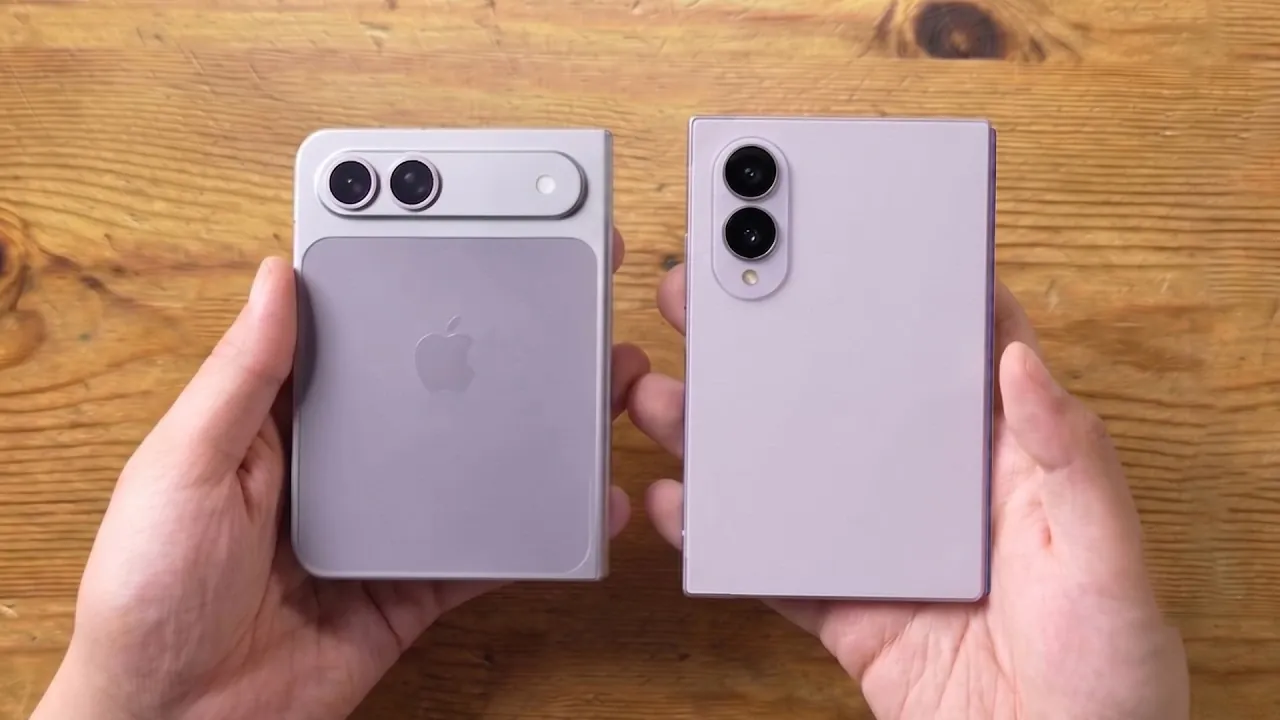
The foldable smartphone market is entering a pivotal phase as Apple prepares to launch its first foldable device, the iPhone Ultra, while Samsung continues to refine its flagship foldable, the Galaxy Z Fold 8. This comparison examines the design, technology, usability, and pricing of these two devices, highlighting how their competition is shaping the future of foldable smartphones.

Design: Evolution and Influence
Samsung’s Galaxy Z Fold 8 reflects a culmination of years of innovation in foldable technology. Its wider form factor suggests a potential influence from Apple, as Samsung Display, Apple’s supplier for foldable screens, may have had early insights into Apple’s plans. Historically, Samsung has demonstrated a pattern of adapting to Apple’s design trends, such as the S25 Edge, which followed Apple’s lead in curved displays.
Apple’s iPhone Ultra, as its inaugural foldable device, is expected to introduce fresh ideas and refined aesthetics. Apple’s reputation for design excellence positions the iPhone Ultra as a potential trendsetter in the foldable market. This dynamic interplay between the two brands highlights how competition fosters innovation, pushing the boundaries of what smartphones can achieve.
Technical Features: A Closer Look
The Galaxy Z Fold 8 and iPhone Ultra bring distinct technical features to the table, showcasing each brand’s priorities and approach to foldable technology:
- Battery: The iPhone Ultra is rumored to feature a slightly larger battery, offering 200mAh more capacity than the Z Fold 8. However, this added capacity comes at the cost of increased thickness and weight, which could impact portability.
- Display: Both devices focus on advancing foldable screen technology, particularly in crease reduction and durability. Samsung relies on its proprietary innovations, while Apple is expected to use Samsung Display’s expertise, though its specific implementation remains under wraps.
- Cameras: The Z Fold 8 features dual 50MP rear cameras, while the iPhone Ultra is rumored to include dual 48MP cameras. Both devices also feature two selfie cameras, catering to users who prioritize photography and video communication.
These differences reflect the brands’ distinct strategies: Samsung emphasizes refinement and reliability, while Apple aims to make a bold statement with its first entry into the foldable market.
Ergonomics and User Experience
Ergonomics play a crucial role in the usability of foldable smartphones. The Galaxy Z Fold 8 has been commended for its thoughtful button placement, making sure ease of use whether the device is folded or unfolded. In contrast, the iPhone Ultra’s volume button placement has faced early criticism for being less intuitive when folded, potentially affecting user experience.
This contrast underscores the benefits of generational maturity. As an eighth-generation product, the Galaxy Z Fold 8 benefits from years of iterative improvements, resulting in a more polished user experience. Meanwhile, the iPhone Ultra, as a first-generation device, may face the typical challenges associated with early-stage design, including compromises in functionality and ergonomics.
Pricing: A Strategic Divide
Pricing strategies reveal the brands’ differing approaches to the foldable smartphone market. The Galaxy Z Fold 8 starts at $1,900, reflecting its premium features and Samsung’s established position as a leader in the category. The iPhone Ultra, on the other hand, is expected to start at $2,000 or higher, aligning with Apple’s luxury brand image and its focus on exclusivity.
While Apple’s pricing strategy may appeal to its loyal customer base, it could limit the iPhone Ultra’s reach to a niche audience. Samsung’s relatively lower price point may provide a competitive edge, attracting a broader range of consumers who are interested in foldable technology without the higher price tag.
Generational Maturity vs First-Generation Challenges
The Galaxy Z Fold 8 exemplifies the advantages of generational maturity, offering a refined experience built on Samsung’s extensive expertise in foldable technology. Its design, features and usability reflect years of iterative development, making it a reliable choice for consumers seeking a high-performance foldable device.
In contrast, the iPhone Ultra faces the challenges inherent to first-generation products. While Apple’s entry into the foldable market is expected to bring fresh ideas and innovations, it may also encounter design and functionality compromises as the company navigates the complexities of foldable technology for the first time.
Apple’s entry into this market introduces a new level of competition, which is likely to accelerate innovation across the industry. As these two tech giants compete, consumers can anticipate advancements in technology, improved designs and potentially more competitive pricing in the years to come.
Two Distinct Paths to Innovation
The Samsung Galaxy Z Fold 8 and iPhone Ultra represent two distinct approaches to foldable smartphones. Samsung’s device showcases the benefits of years of refinement and leadership in the category, while Apple’s entry signals a fresh wave of competition and innovation. As these brands continue to influence each other, the foldable smartphone market is poised for rapid evolution, offering consumers more choices and innovative technology than ever before.
Unlock more potential in the foldable smartphone market by reading previous articles we have written.
- Apple’s Hidden Threat: Why the iPhone Ultra Fold is Samsung’s Worst Nightmare
- The iPhone Ultra Fold: Apple’s New 2nm A20 Chip Makes it a Pocket-Sized MacBook
- iPhone Ultra Leaks: Apple’s September Keynote to Feature First Ever Foldable
- Samsung’s 2026 Galaxy Z Fold 8 Lineup: 2 Different Folds and a Massive Design Shift
- Why Apple’s First Foldable Could Change the Smartphone Market
Source & Image Credit: TechTalkTV
Disclosure: Some of our articles include affiliate links. If you buy something through one of these links, Geeky Gadgets may earn an affiliate commission. Learn about our Disclosure Policy.
