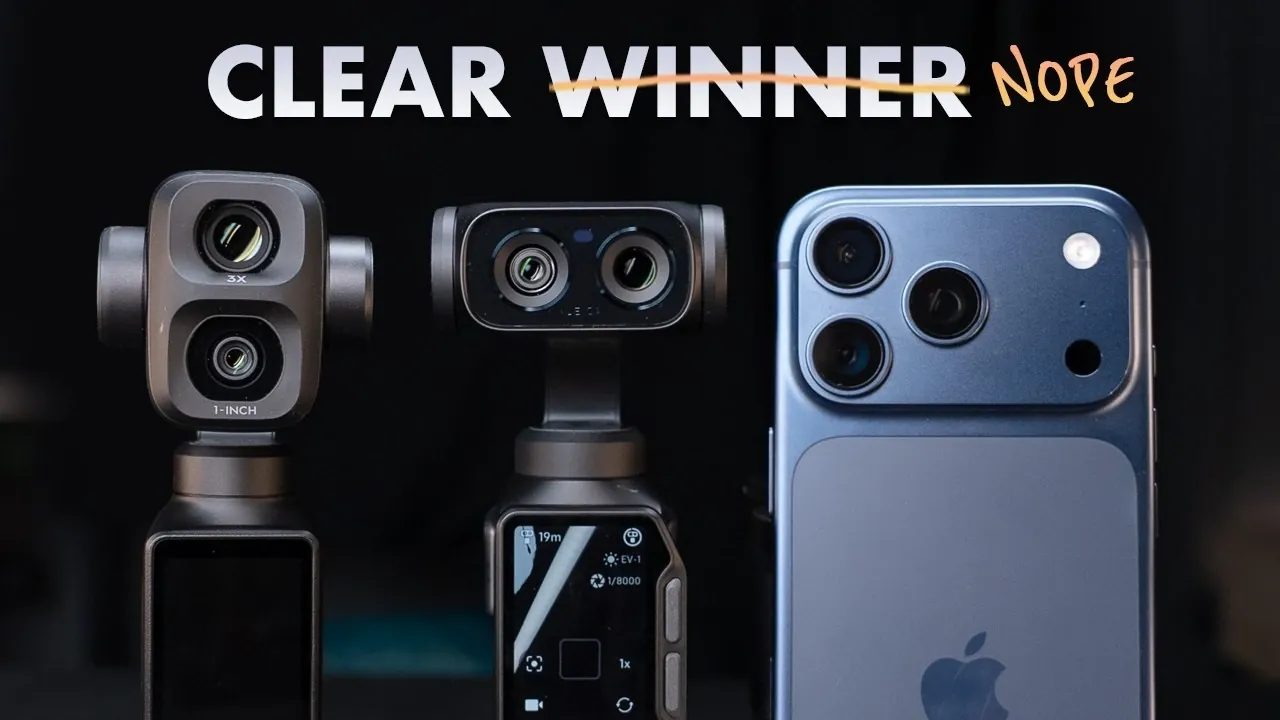
When it comes to choosing between the Osmo Pocket 4P, Luna Ultra and iPhone 17 Pro, understanding their distinct strengths is key to making the right decision. The Film Alliance breaks down how these devices cater to different creative needs, from the Osmo Pocket 4P’s standout 17 stops of dynamic range with DLOG 2 for professional-grade color grading to the Luna Ultra’s impressive 8K resolution and detachable remote screen. Meanwhile, the iPhone 17 Pro offers a convenient all-in-one solution with Apple Log 2, though its larger file sizes and more processed colors may not suit every workflow. Each device brings unique features to the table, making them suited to different priorities and budgets.
Explore how these devices perform across critical areas like low-light shooting, stabilization and slow-motion capabilities. You’ll gain insight into why the Osmo Pocket 4P excels in dynamic range and cinematic slow-motion, how the Luna Ultra balances vibrant visuals with affordability and where the iPhone 17 Pro fits as a portable, everyday option. By the end of this breakdown, you’ll have a clearer understanding of which device aligns best with your creative goals and practical requirements.
Osmo Pocket 4P vs Luna Ultra vs iPhone 17 Pro
TL;DR Key Takeaways :
- The Osmo Pocket 4P excels in dynamic range (17 stops with DLOG 2), slow-motion (4K at 240fps), and low-light performance, making it ideal for filmmakers and professionals, though its price varies significantly ($550–$1,000).
- The Luna Ultra offers 8K resolution, vibrant colors and a detachable remote screen, providing a competitive option for high-resolution visuals at $769, though it lacks advanced slow-motion capabilities.
- The iPhone 17 Pro is a portable, all-in-one device with Apple Log 2 for color grading, suitable for casual users prioritizing convenience, priced at $999 for new models or $500–$600 for used ones.
- In terms of stabilization, the Osmo Pocket 4P and Luna Ultra feature mechanical stabilization for smooth footage, while the iPhone 17 Pro relies on less consistent digital stabilization.
- For professional workflows, the Osmo Pocket 4P’s DLOG 2 offers the most versatile color grading options, while the Luna Ultra and iPhone 17 Pro provide less adaptable log profiles with varying file sizes and flexibility.
Each of these devices offers distinct advantages, making them suitable for different types of users and scenarios. Here’s a closer look at their standout features:
- Osmo Pocket 4P: Known for its exceptional dynamic range and slow-motion capabilities, the Osmo Pocket 4P is a favorite among filmmakers and content creators. It offers 17 stops of dynamic range with DLOG 2, supports 4K video at 240fps and delivers natural color reproduction. However, its pricing varies significantly, costing around $550 internationally but often exceeding $1,000 in the U.S.
- Luna Ultra: With 8K video resolution and a detachable remote screen, the Luna Ultra is a versatile option for high-resolution shooting. Its vibrant and contrast-rich colors make it appealing for visually striking projects, though it lacks the advanced slow-motion capabilities of the Osmo Pocket 4P. Priced at $769 in the U.S., it offers a competitive middle ground for users seeking high-quality visuals without breaking the bank.
- iPhone 17 Pro: As a portable, all-in-one device, the iPhone 17 Pro is ideal for casual users and those who value convenience. It features Apple Log 2 for color grading, though the resulting files are significantly larger. While its colors and contrast are more processed compared to the other two devices, it remains a practical and versatile choice for everyday use. New models are priced at $999, with used options available for $500–$600.
Performance Breakdown
To better understand how these devices compare, it’s important to evaluate their performance across several critical areas.
Dynamic Range and Exposure
The Osmo Pocket 4P stands out with its ability to capture details in both highlights and shadows, making it an excellent choice for challenging lighting conditions. Its 17 stops of dynamic range ensure a balanced and professional-grade image. The Luna Ultra performs well in this area but often requires underexposure adjustments to prevent clipping in bright areas. Meanwhile, the iPhone 17 Pro, while capable, struggles with maintaining accurate white balance and color fidelity in complex lighting scenarios, making it less reliable for professional-grade work.
Slow Motion
For slow-motion enthusiasts, the Osmo Pocket 4P is the clear leader, offering 4K resolution at 240fps for smooth and cinematic results. This makes it an excellent tool for capturing dynamic action shots or creative slow-motion sequences. The Luna Ultra, while delivering rich and vibrant colors, lacks higher frame rate options, limiting its slow-motion capabilities. The iPhone 17 Pro provides functional slow-motion features, but its results are more processed and lack the cinematic quality of the Osmo Pocket 4P.
Low-Light Performance
In low-light environments, the Osmo Pocket 4P excels, maintaining clarity and detail without introducing excessive noise. This makes it a reliable choice for nighttime or indoor shooting. The Luna Ultra performs adequately in dim lighting but tends to produce slightly softer images. The iPhone 17 Pro, while functional in low light, lacks the depth and detail retention of its competitors, making it less suitable for professional-grade low-light videography.

Uncover more insights about Osmo Pocket 4P in previous articles we have written.
- DJI Osmo Pocket 4P Global Launch is Finally Here
- Why DJI Kept the Osmo Pocket 4P Specs a Secret at Cannes
- Why the DJI Osmo Pocket 4P Might Disappoint Social Media Creators
- Why the DJI Pocket 4P Might Disappoint Modern Social Media Creators
- Inside the Massive DJI Osmo Pocket 4P Upgrade : 17 Stops of Dynamic Range & More
- What the DJI Pocket 4P’s Dual-Camera System Means for Creators
- How the Insta360 Luna Ultra Challenges DJI’s Cinematic Dominance
- DJI Osmo Pocket 4P: Uncovering Its Biggest Hidden Trade-Offs
- What the Latest DJI Osmo Pocket 4P Leaks Actually Mean
- What DJI Left Out of the Osmo Pocket 4P and Why It Matters
Stabilization
Both the Osmo Pocket 4P and Luna Ultra feature mechanical stabilization, making sure smooth and steady footage even during movement or handheld shooting. This makes them ideal for capturing dynamic scenes or action shots. In contrast, the iPhone 17 Pro relies solely on digital stabilization, which can struggle in low-light conditions or during rapid motion, resulting in less consistent results.
Color Profiles
The Osmo Pocket 4P delivers neutral and controlled colors, making it a strong choice for professional workflows that require precise color grading. The Luna Ultra leans toward more saturated tones, appealing to users who prefer vibrant and visually striking imagery. The iPhone 17 Pro, while offering bright and punchy colors, often produces less natural results, which may not suit all creative projects or professional standards.
Log Profiles
For users who prioritize post-production flexibility, the Osmo Pocket 4P’s DLOG 2 is the most versatile, offering extensive grading options for professional workflows. The Luna Ultra’s Eye Log is effective but less adaptable, providing fewer options for detailed color adjustments. The iPhone 17 Pro’s Apple Log 2 is comparable in quality but generates significantly larger file sizes, which can complicate storage and workflow efficiency, particularly for users working on extensive projects.
Which Device is Right for You?
Choosing the right device ultimately depends on your priorities, creative goals and budget. Here’s a breakdown to help you decide:
- Osmo Pocket 4P: Ideal for filmmakers, content creators and professionals who value dynamic range, slow-motion capabilities and professional-grade features. It’s the best option for those who prioritize image quality and creative flexibility, especially in challenging lighting conditions.
- Luna Ultra: A strong contender for users seeking 8K resolution, vibrant visuals and a detachable screen at a competitive price. It’s a great choice for those who don’t require advanced slow-motion features but want high-resolution and visually striking results.
- iPhone 17 Pro: Perfect for casual users and those who prioritize portability and convenience. While it lacks the cinematic depth and advanced features of the other two devices, it’s a reliable all-in-one solution for everyday shooting and quick content creation.
Making the Right Choice
Each of these devices is designed to cater to specific audiences, making sure there’s an option for every type of user. Whether you prioritize dynamic range, resolution, or ease of use, understanding the strengths and limitations of each device will help you select the one that best aligns with your creative needs and budget. By carefully considering your priorities, you can confidently choose the device that will elevate your video production and storytelling capabilities.
Media Credit: The Film Alliance
Disclosure: Some of our articles include affiliate links. If you buy something through one of these links, Geeky Gadgets may earn an affiliate commission. Learn about our Disclosure Policy.
