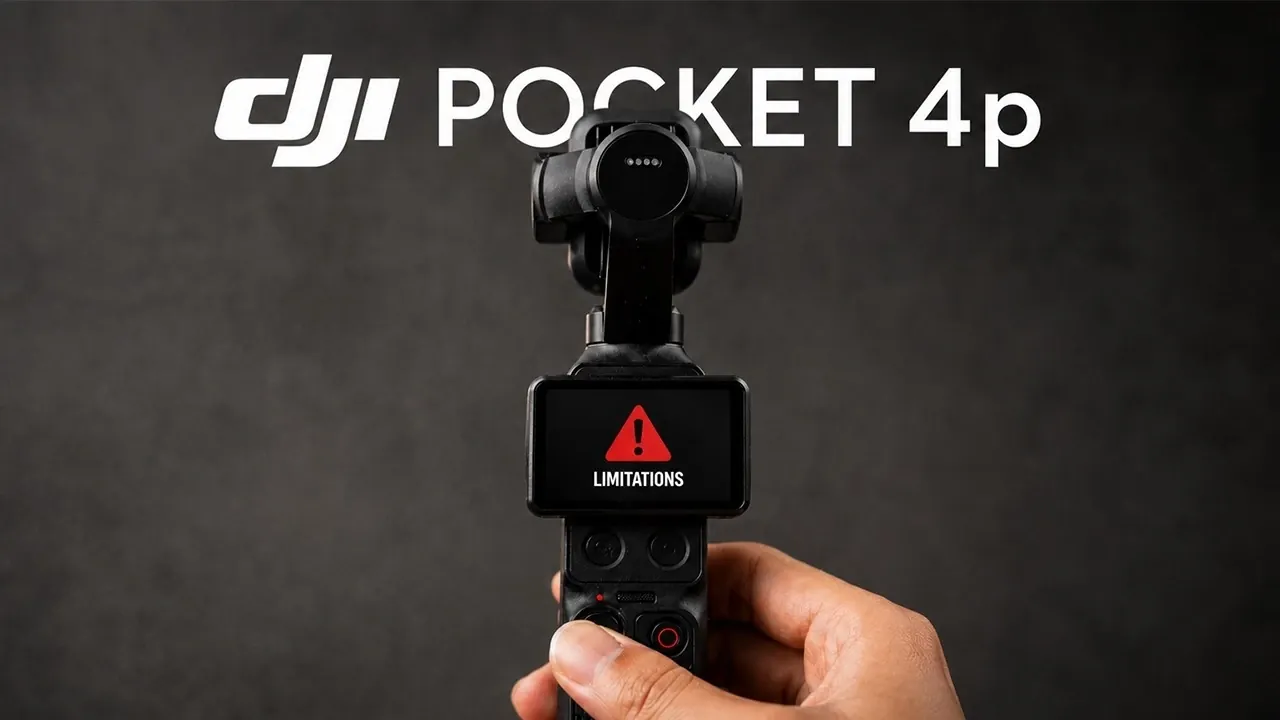
The DJI Osmo Pocket 4P brings a compelling mix of portability and advanced features, but it also introduces some significant compromises that may impact its suitability for certain creators. As TechAvid highlights, the device’s dual-camera system is a standout feature, with the primary camera offering a 1-inch sensor and D-Log 2 profile for impressive dynamic range and cinematic visuals. However, the telephoto lens falls short, struggling with low-light performance and consistency between focal lengths. Additionally, its lack of weather resistance and capped vertical resolution at 3K could limit its appeal for outdoor creators or those focused on social media content.
In this feature, you’ll gain insight into how the Osmo Pocket 4P’s design choices affect its usability across different scenarios. Explore the challenges posed by its limited availability and the complexities of its post-production workflow, particularly for those new to color grading. You’ll also discover how it compares to alternatives like the Insta360 Luna Ultra, which offers vibrant out-of-camera colors and a simpler editing process. By the end, you’ll have a clearer understanding of whether the Osmo Pocket 4P aligns with your creative priorities or if another option might better meet your needs.
DJI Osmo Pocket 4P Camera
TL;DR Key Takeaways :
- The DJI Osmo Pocket 4P features a dual-camera system with a 1-inch sensor, exceptional stabilization and impressive dynamic range, making it ideal for cinematic visuals in a compact form factor.
- Its limited availability, currently restricted to the Chinese market, poses challenges for international buyers due to customs and distribution complexities.
- Key limitations include lack of weather resistance, capped vertical video resolution at 3K and inconsistent telephoto lens performance, particularly in low-light conditions and close-up shots.
- The D-Log 2 profile offers advanced color grading potential but requires a steeper learning curve and additional post-production time, which may not suit creators with tight deadlines.
- Alternatives like the Insta360 Luna Ultra provide vibrant out-of-camera colors, simpler workflows and competitive features, making them viable options for creators prioritizing efficiency and accessibility.
Availability: A Key Consideration
One of the most significant factors to consider when evaluating the DJI Osmo Pocket 4P is its limited availability. Currently, the device is exclusive to the Chinese market, which presents challenges for international buyers. Acquiring the camera often requires navigating customs regulations and dealing with restricted distribution channels, adding complexity to the purchasing process.
For those seeking alternatives, the Insta360 Luna Ultra offers comparable features, including advanced tracking capabilities and vibrant color science. Additionally, the anticipated release of the Xtreme 2 Pro in Q3 2026 may provide another competitive option, potentially offering enhanced features and broader availability. If accessibility is a priority, exploring these alternatives may be a practical choice.
Design and Durability: A Mixed Bag
The Osmo Pocket 4P’s compact and sleek design is one of its standout features, making it highly portable and convenient for creators on the go. However, this design comes with compromises. The camera lacks weather resistance, which limits its usability in outdoor or unpredictable shooting environments. For creators who frequently film in rugged or adverse conditions, this could be a significant drawback.
Another limitation lies in its vertical video resolution, which is capped at 3K due to sensor cropping. This restriction may disappoint social media creators who prioritize high-quality vertical content for platforms like Instagram or TikTok. While the design is ideal for portability, these trade-offs may reduce its overall versatility for certain users.

Check out more relevant guides from our extensive collection on DJI Osmo Pocket 4P that you might find useful.
- DJI Osmo Pocket 4P Global Launch is Finally Here
- Why DJI Kept the Osmo Pocket 4P Specs a Secret at Cannes
- Why the DJI Osmo Pocket 4P Might Disappoint Social Media Creators
- Why the DJI Pocket 4P Might Disappoint Modern Social Media Creators
- Inside the Massive DJI Osmo Pocket 4P Upgrade : 17 Stops of Dynamic Range & More
- What the DJI Pocket 4P’s Dual-Camera System Means for Creators
- How the Insta360 Luna Ultra Challenges DJI’s Cinematic Dominance
- What DJI Left Out of the Osmo Pocket 4P and Why It Matters
- What the Latest DJI Osmo Pocket 4P Leaks Actually Mean
- Why the Pocket 4P is Arriving in America Without the DJI Name
Dual-Camera System: Strengths and Weaknesses
The dual-camera system is a defining feature of the Osmo Pocket 4P, offering both strengths and weaknesses. The primary camera, equipped with a 1-inch sensor, Low Fict technology and the D-Log 2 profile, delivers exceptional image quality with impressive dynamic range. This makes it a strong choice for creators who prioritize cinematic visuals.
However, the telephoto camera does not perform at the same level. Featuring a smaller sensor and a standard D-Log profile, it struggles in low-light conditions and lacks the consistency needed for seamless transitions between focal lengths. This disparity can pose challenges for creators who rely on both cameras during shoots, as the difference in quality may disrupt the visual flow of their content.
Post-Production Workflow: A Steeper Learning Curve
The Osmo Pocket 4P’s D-Log 2 profile offers significant potential for color grading, allowing creators to achieve a polished and professional look. However, this feature requires advanced skills and additional time in post-production. The workflow for D-Log 2 is less intuitive compared to competing systems, which may complicate the editing process for users who are not experienced in color grading.
Additionally, the standard color profile produces flatter footage straight out of the camera, in contrast to rivals like the Insta360 Luna Ultra, which delivers more vibrant, ready-to-use colors. For creators working under tight deadlines, these factors could slow down production and make the Osmo Pocket 4P less appealing.
Telephoto Lens: Limited Versatility
The telephoto lens on the Osmo Pocket 4P introduces further limitations. Its long minimum focusing distance makes it challenging to capture close-up shots, reducing its flexibility for certain types of content. Additionally, focus hunting issues can occur when shooting subjects at close range, potentially disrupting your workflow and requiring multiple takes to achieve sharp results.
These limitations may frustrate creators who need a reliable and versatile telephoto lens for a variety of shooting scenarios. While the primary camera excels in many areas, the telephoto lens falls short in delivering consistent performance, which could be a dealbreaker for some users.
Key Strengths of the Osmo Pocket 4P
Despite its shortcomings, the Osmo Pocket 4P offers several notable strengths that make it a valuable tool for content creators. Its stabilization system is among the best in its class, making sure smooth and steady footage even in dynamic shooting conditions. This feature is particularly beneficial for vloggers and action-oriented creators who require reliable stabilization.
The camera’s ActiveTrack technology is another highlight, providing precise subject tracking that enhances usability in a variety of scenarios. Additionally, the Osmo Pocket 4P excels in slow-motion capabilities and delivers a high-quality image pipeline, making it an excellent choice for those seeking cinematic visuals in a compact and portable device.
Is the Osmo Pocket 4P Right for You?
The DJI Osmo Pocket 4P is best suited for creators who prioritize image quality, advanced tracking features and seamless integration within the DJI ecosystem. However, its trade-offs, such as limited weather resistance, vertical resolution constraints and telephoto lens challenges, may deter those who need a more versatile or user-friendly solution.
Alternatives like the Insta360 Luna Ultra offer stronger out-of-camera colors and simpler workflows, making them worth considering if efficiency and ease of use are your priorities. By carefully evaluating your creative needs and weighing the Osmo Pocket 4P’s strengths against its limitations, you can determine whether this camera aligns with your goals or if another option might better suit your requirements.
Media Credit: TechAvid
Disclosure: Some of our articles include affiliate links. If you buy something through one of these links, Geeky Gadgets may earn an affiliate commission. Learn about our Disclosure Policy.
