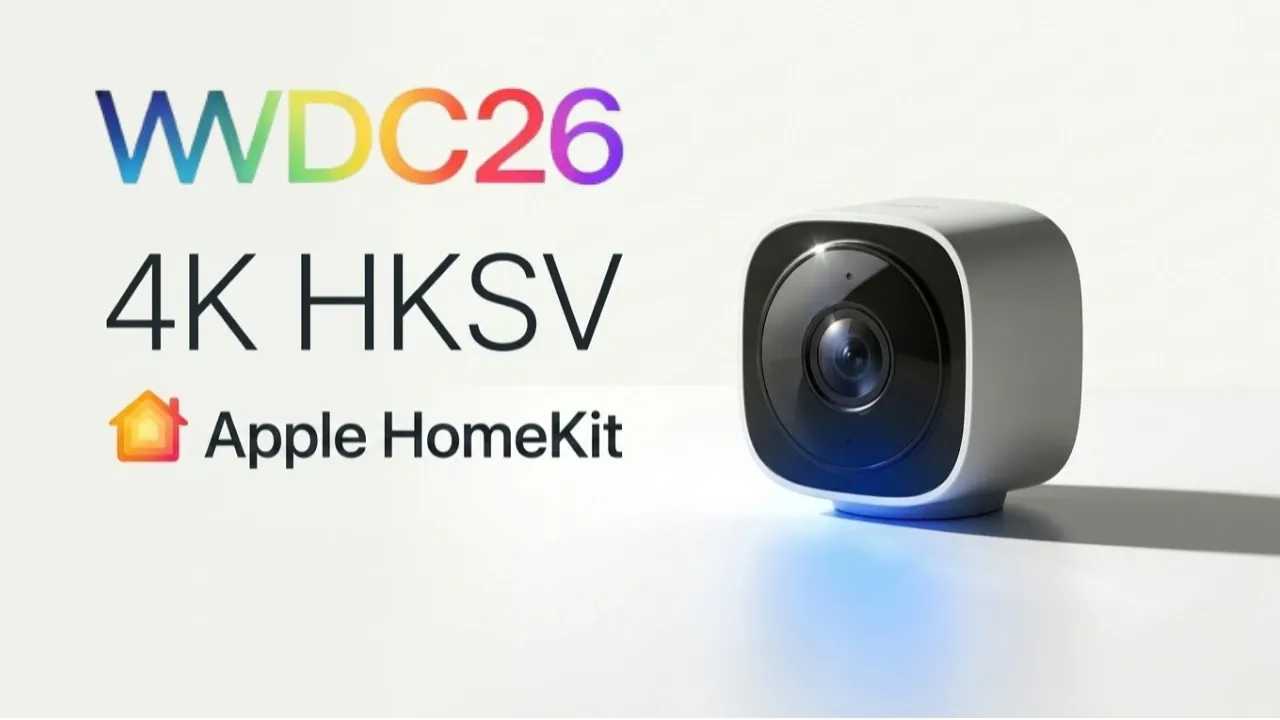
Apple’s announcements at WWDC 2026 introduced notable updates to the Home app with iOS 27, reflecting efforts to enhance its smart home ecosystem. A Smarter House highlights key changes, including 4K HomeKit Secure Video and AI-powered camera enhancements, which aim to improve security and functionality. The adoption of Thread 1.4 offers the potential for better device connectivity, but challenges remain, such as reliance on specific hardware and limited alignment with universal standards like Matter.
Discover how these updates influence Apple Home’s usability, from natural language automation through Siri to the new Energy tab’s real-time monitoring features. Gain insight into the implications of Thread 1.4 for future device integration and the practical trade-offs these changes present for smart home users. This explainer provides a detailed look at both the progress and the constraints shaping Apple Home’s current position.
Sharper Visuals, Limited Integration
TL;DR Key Takeaways :
- 4K HomeKit Secure Video: iOS 27 introduces 4K streaming and recording for HomeKit Secure Video, enhancing surveillance capabilities, but rollout depends on firmware updates and lacks Matter compatibility.
- AI Camera Features: New AI-powered functionalities like natural-language search and grouped notifications improve usability but require specific hardware and subscriptions, limiting accessibility.
- Energy Monitoring: The new Energy tab provides real-time energy consumption data for Matter-compatible devices but lacks automation features for optimizing energy efficiency.
- Thread 1.4 Support: Improved connectivity with unified Thread networks simplifies device integration, but the lack of a user-facing interface limits immediate usability.
- Siri AI Rebuild: Natural language automation simplifies creating shortcuts, but its availability is restricted to newer devices and launches as a gated beta, highlighting hardware dependency challenges.
4K HomeKit Secure Video
One of the most anticipated updates in iOS 27 is the introduction of 4K streaming and recording for HomeKit Secure Video (HKSV). This enhancement removes the previous 1080p resolution cap, offering significantly sharper visuals and improved multi-camera streaming. For users with multiple security cameras, this upgrade enables better simultaneous recording and playback, enhancing overall surveillance capabilities.
However, the rollout of this feature depends on firmware updates from camera manufacturers, which may delay its availability for many users. Additionally, Apple’s reliance on its proprietary HKSV pipeline limits integration with Matter, the emerging universal smart home standard. This lack of interoperability could frustrate users seeking a more open and flexible ecosystem. While the 4K upgrade is a welcome improvement, its restricted compatibility underscores the challenges Apple faces in creating a truly seamless smart home experience.
AI Camera Features: Intelligent Enhancements with Barriers
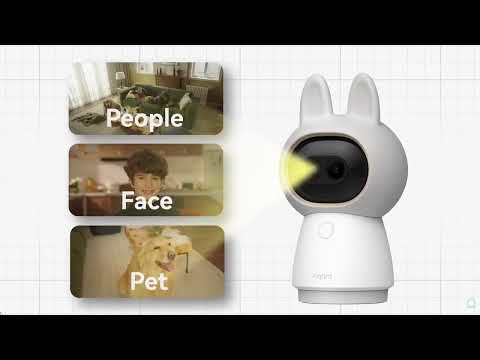
Apple has introduced a suite of AI-powered camera features designed to make surveillance smarter and more intuitive. These include text-based event descriptions, natural-language search for video footage and grouped notifications for related activities. These features use Apple’s advanced machine learning capabilities to simplify the management of security footage and notifications.
Despite these advancements, accessing these features requires an iCloud+ subscription, an Apple Intelligence-capable device (such as the iPhone 15 Pro or newer), and a home hub like the HomePod or Apple TV 4K. Furthermore, regulatory restrictions in regions like the European Union limit the availability of certain AI functionalities, reducing their global appeal. While these features represent a step forward in usability, their accessibility is hindered by hardware requirements and regional constraints, limiting their overall impact.
Unlock more potential in iOS 27 by reading previous articles we have written.
- iOS 27 Leaks Reveal the End of an Era: Apple’s New Priorities Confirmed
- iOS 27 Could Be Apple’s ‘Snow Leopard’ Moment—Focusing on One Huge Change
- The iOS 27 Compatibility Shock: Every iPhone That Will (and Won’t) Get the 2026 Update
- Apple Just Gave Us Our First Look at iOS 27—and It Changes Siri Forever
- First Look at the iOS 27 Siri Redesign Before WWDC 2026
- Apple Just Changed Everything: iOS 27 Rewrites the Rules for AirPods and AirPlay
- Why the iOS 27 CarPlay Update Will Change How You Drive
- What to Expect from Apple’s Massive iOS 27 Update
- iOS 27 Rumors: Top Features We Need (and What’s Leaked So Far)
- What Apple Accidentally Revealed Right Before WWDC
Energy Monitoring: Informative but Lacking Automation
The new Energy tab in the Home app provides users with real-time energy consumption data for Matter-compatible devices. This feature allows you to monitor your smart home’s energy usage, offering insights that can help you make more informed decisions about your consumption patterns.
However, the Energy tab lacks proactive automation capabilities, such as the ability to set triggers based on energy thresholds to optimize efficiency. Without these features, the Energy tab functions primarily as a monitoring tool rather than a comprehensive energy management solution. While it represents progress in Apple’s smart home offerings, its potential remains underutilized without the addition of automation features.
Thread 1.4: Improved Connectivity with Hidden Complexity
Support for Thread 1.4 is another significant update in iOS 27. This version introduces credential sharing, which allows for unified Thread networks across devices from different manufacturers. This advancement simplifies network management and enhances compatibility within the smart home ecosystem, making it easier for users to integrate devices from various brands.
Despite these improvements, iOS 27 does not include a user-facing interface for Thread, making it less accessible to the average user. As a result, the benefits of Thread 1.4 operate largely behind the scenes, offering potential for future enhancements rather than immediate, tangible advantages. For now, this update lays the groundwork for a more connected ecosystem but falls short of delivering a fully realized user experience.
Siri AI Rebuild: Simplifying Automation with Limitations
Siri has received a notable upgrade with the introduction of natural language automation. The new “Describe a Shortcut” feature allows you to create automations by simply describing them in plain language. For example, you can say, “Turn on the lights when I arrive home,” and Siri will automatically generate the corresponding automation.
However, this feature is limited to newer devices, such as the iPhone 17 Pro or iPhone Air and will initially launch as a gated beta in late 2026. While the feature simplifies the process of creating automations, its restricted availability and hardware requirements may alienate users with older devices. This limitation underscores the broader challenge of making sure accessibility across Apple’s ecosystem.
Hardware and Compatibility: Persistent Challenges
Many of the new features introduced in iOS 27 come with significant hardware requirements. For example, a home hub, such as a HomePod, HomePod mini, or Apple TV 4K, is necessary to access several key functionalities. Compounding this issue, the current Apple TV 4K (3rd generation) does not support Apple Intelligence, creating an upgrade dilemma for existing users.
Additionally, iOS 27 does not support Matter 1.5 device types, such as cameras and soil sensors, highlighting a gap in Apple’s adoption of universal standards. This reliance on proprietary technologies like HKSV continues to limit Apple’s interoperability with other ecosystems, which remains a significant drawback for users seeking flexibility and cross-platform compatibility.
How Apple Home Measures Up Against Competitors
When compared to competitors like Google Home, Amazon Alexa and SmartThings, Apple Home still lags in several key areas. Google and Amazon have made significant strides in AI integration, automation and Matter support, offering more flexible and innovative solutions. SmartThings, with its robust automation capabilities and extensive device compatibility, remains a strong alternative for users seeking a comprehensive smart home platform.
While Apple has made meaningful progress with iOS 27, its ecosystem remains constrained by hardware dependencies, limited feature sets and gaps in compatibility. Competitors continue to offer more versatile and user-friendly options, leaving Apple Home struggling to close the gap.
Progress Without Transformation
The updates introduced in iOS 27 represent a clear effort by Apple to enhance its smart home platform. Features like 4K HomeKit Secure Video, AI-powered camera enhancements and Thread 1.4 support demonstrate Apple’s commitment to improving its ecosystem. However, the reliance on proprietary standards, incomplete features and significant hardware requirements temper the excitement surrounding these updates.
To truly compete with industry leaders, Apple must address these limitations and deliver a more flexible, user-friendly experience. For now, Apple Home has made progress, but it remains a work in progress rather than a fully realized contender in the smart home market.
Media Credit: A Smarter House
Disclosure: Some of our articles include affiliate links. If you buy something through one of these links, Geeky Gadgets may earn an affiliate commission. Learn about our Disclosure Policy.
