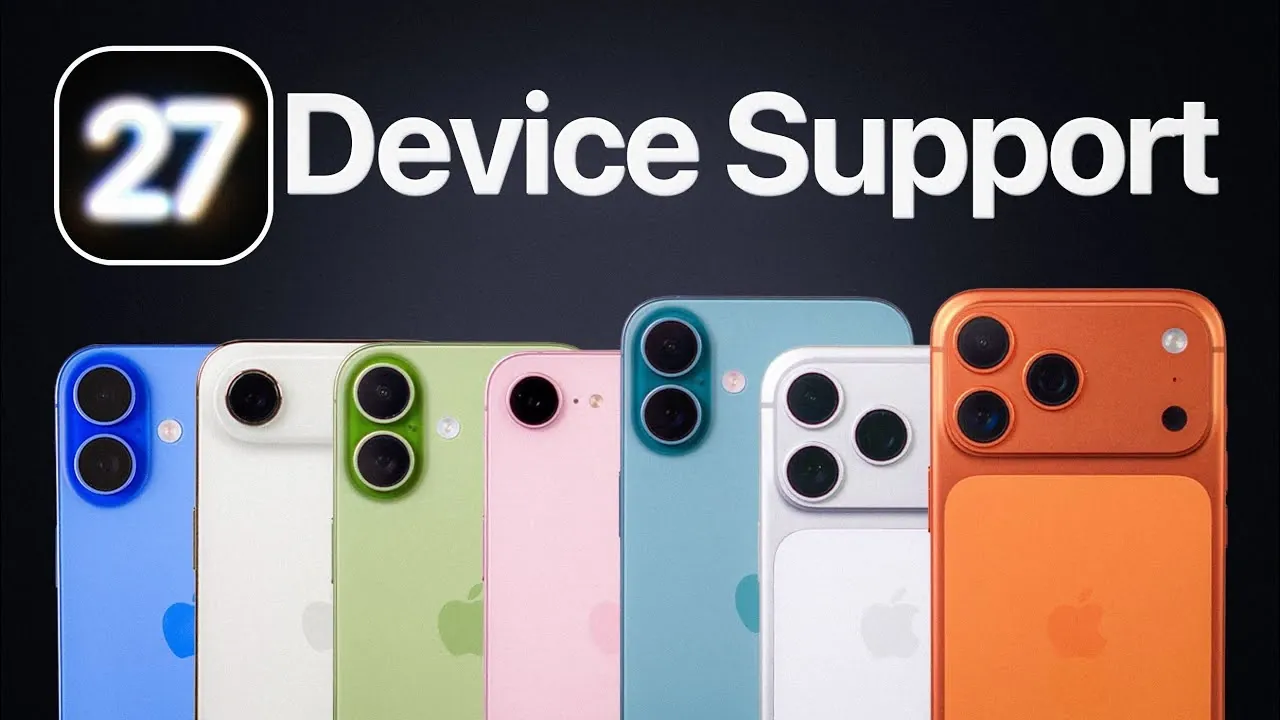
Apple is preparing to unveil iOS 27 during the Worldwide Developers Conference (WWDC) 2026, scheduled for June 8–12. This highly anticipated event will showcase the latest advancements in Apple’s software ecosystem. If you’re wondering whether your iPhone will support iOS 27, understanding Apple’s historical support patterns and device lifecycles can provide valuable insights. The video below from iDeviceHelp outlines what to expect and which devices are likely to be compatible.
Devices Rumored to Support iOS 27
If you own one of Apple’s most recent iPhone models, you can rest assured that your device will support iOS 27. Apple’s commitment to providing robust software support for newer devices ensures that these models will receive the update:
- iPhone 17 Series: This series will be optimized for iOS 27, showcasing its full range of features.
- iPhone 16 Series: Including the iPhone 16, 16 Pro and 16 Pro Max, these models are guaranteed to support iOS 27, offering a seamless user experience.
- iPhone 15 Series: Released in 2023, these devices remain well within Apple’s typical five-year software support window.
- iPhone 14 Series: Launched in 2022, these models are also confirmed to run iOS 27 without any limitations.
Owning one of these devices ensures access to the latest features, security updates, and performance improvements that iOS 27 will bring.
Highly Likely to Be Supported
The iPhone 13 series, released in 2021, is highly likely to receive iOS 27. Apple’s track record indicates that devices up to four years old typically remain supported. This aligns with the company’s dedication to providing extended software support, making sure that slightly older models continue to function securely and efficiently. If you own an iPhone 13, you can expect to benefit from most of iOS 27’s features, though some advanced functionalities may be reserved for newer hardware.
Probable Compatibility
The iPhone 12 series, launched in 2020, is expected to support iOS 27, though with potential limitations. These devices are nearing the end of Apple’s typical five-year support lifecycle. While they are still likely to receive the update, certain advanced features of iOS 27 may not be fully accessible due to hardware constraints. Apple often reserves innovative functionalities for newer models to use their more advanced processors and capabilities. If you own an iPhone 12, you may still enjoy the core benefits of iOS 27, but it’s worth noting that the experience might not be as feature-rich as on newer devices.
Uncertain Compatibility
For owners of the iPhone 11 series or the 2nd generation iPhone SE, compatibility with iOS 27 is less certain. These models, introduced in 2019 and 2020 respectively, are approaching the end of their support lifecycle. Apple’s historical trends suggest that devices of this age often lose compatibility with the latest iOS updates. While it’s possible that these devices could still receive iOS 27, the likelihood diminishes as Apple focuses on optimizing its software for newer hardware. If you rely on one of these older models, it may be time to consider upgrading to ensure continued access to Apple’s latest features and security enhancements.
Key Dates to Watch
The unveiling of iOS 27 at WWDC 2026 will mark the official announcement of its features and compatibility list. Key dates to keep in mind include:
- June 8, 2026: The first developer beta of iOS 27 will be released, coinciding with the opening day of WWDC. This beta version will provide developers with early access to the new operating system.
- Public Beta Release: Typically following the developer beta by a few weeks, the public beta will allow non-developers to test iOS 27. Enrolling in Apple’s beta program offers an early glimpse of the new features, though beta versions may include bugs or incomplete functionalities.
- Fall 2026: The official release of iOS 27 is expected to coincide with the launch of the iPhone 17 series, making it available to the general public.
These dates provide a roadmap for when you can expect to learn more about iOS 27 and its compatibility with your device.
Apple’s Support Patterns: What You Should Know
Apple’s approach to software support typically spans five to six years for its devices. This ensures that older models remain secure and functional, even as newer devices benefit from exclusive features designed to use advanced hardware. Here’s how this pattern applies to iOS 27:
- Older Models: Devices like the iPhone 11 series and 2nd generation iPhone SE may struggle to support iOS 27 due to aging processors and limited hardware capabilities. These models are likely to miss out on some of the more advanced features.
- Newer Models: The iPhone 15 and 16 series are designed to fully use iOS 27’s capabilities, offering a seamless and feature-rich experience that takes full advantage of their innovative hardware.
If your device is nearing the end of its support lifecycle, upgrading to a newer model may be a practical choice to ensure continued access to Apple’s latest innovations and security updates.
Preparing for iOS 27
As Apple gears up to release iOS 27, understanding your device’s compatibility is crucial. Newer models like the iPhone 17 and 16 series are guaranteed to receive the update, while older devices such as the iPhone 11 series and the 2nd-generation iPhone SE face an uncertain future. By staying informed about Apple’s support trends and device lifecycles, you can better anticipate whether your iPhone will run iOS 27. For those eager to experience the new operating system early, enrolling in Apple’s beta program offers an opportunity to explore its features ahead of the official release.
Here are more detailed guides and articles that you may find helpful on iOS 27.
- iOS 27 Release Date, Features and Innovations
- Apple iOS 27 Release: Liquid Glass 2.0 and More
- iOS 27 Features: Speed, AI and Battery Life Improvements
- 10 Features of iOS 27 You Need to Know About
- iOS 27: Why It’s Apple’s Most Ambitious Update Yet
Source & Image Credit: iDeviceHelp
Disclosure: Some of our articles include affiliate links. If you buy something through one of these links, Geeky Gadgets may earn an affiliate commission. Learn about our Disclosure Policy.
