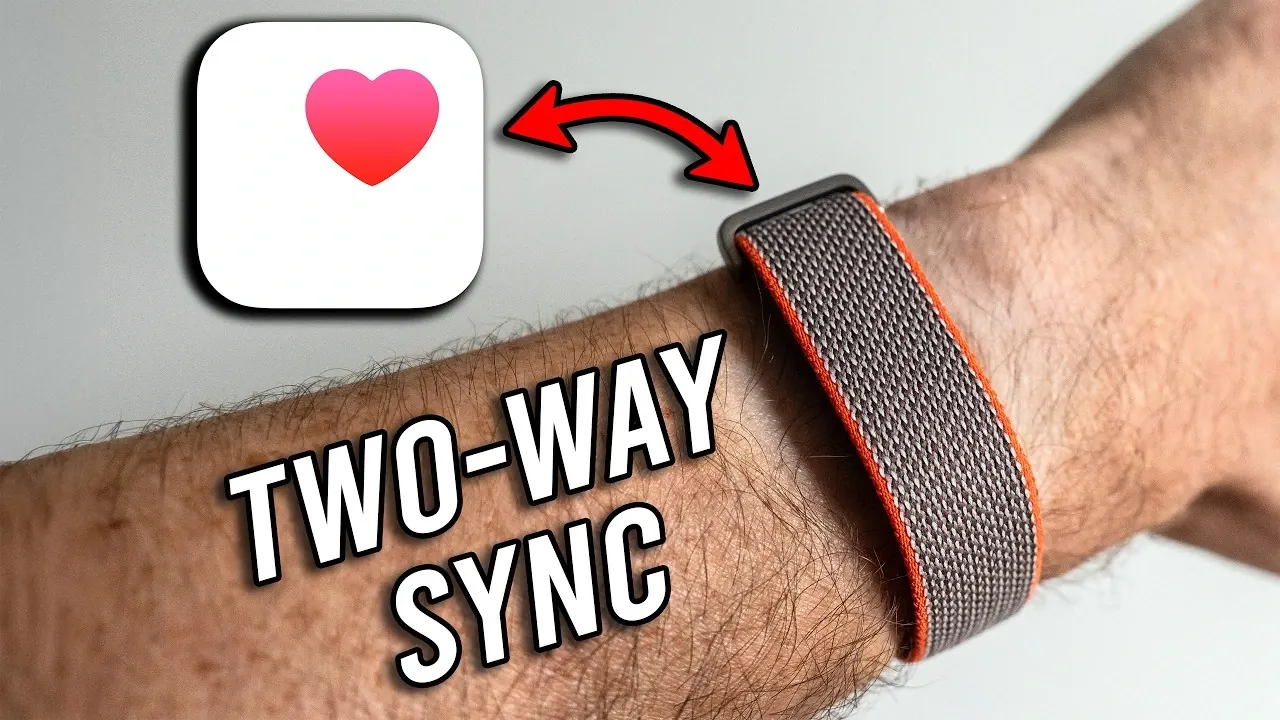
Google Health’s latest update introduces two-way data synchronization with Apple Health, marking a significant shift in how health data can be managed across platforms. This enhancement is particularly notable for Fitbit Air users, who can now export detailed metrics such as sleep analysis, exercise records and nutrition tracking directly into Apple Health. Previously, data sharing was limited to importing into Google Health, but this update expands functionality, allowing a more integrated experience for users managing their health across multiple ecosystems. Chase the Summit highlights how this development bridges the gap between Fitbit Air and Apple Health, offering users greater flexibility in their health tracking routines.
Dive into this analysis to understand how to activate the new synchronization feature and the specific health metrics that can now be shared between platforms. You’ll also explore the expanded data integration capabilities for Fitbit Air, including advanced insights into recovery and strain analysis, as well as the role of third-party apps like MyFitnessPal in using this data. Additionally, learn why updating both the Google Health app and Fitbit Air firmware is essential to fully unlock the potential of this update.
Two-Way Data Synchronization
TL;DR Key Takeaways :
- Google Health now supports two-way data synchronization with Apple Health, allowing Fitbit Air users to export health and activity data to Apple Health for enhanced cross-platform tracking.
- The update enables Google Health to write a wide range of health metrics, including exercise, sleep, vitals, steps and nutrition, directly to Apple Health.
- Fitbit Air users benefit from expanded data integration, including advanced metrics like recovery analysis, sleep quality and detailed nutrition tracking, improving compatibility with third-party apps.
- A firmware update for Fitbit Air is recommended to ensure optimal performance and compatibility with the new two-way synchronization feature.
- While Fitbit Air data cannot close Apple Watch activity rings, the update significantly enhances health tracking flexibility and interoperability across platforms, empowering users with deeper insights into their wellness.
The most notable feature of this update is the ability for Google Health to write data directly to Apple Health. This includes a broad spectrum of health metrics, such as:
- Exercise records
- Sleep analysis
- Vitals monitoring
- Step counts
- Nutrition details
To activate this feature, users must update their Google Health app to version 5.05 or later. Once updated, permissions need to be adjusted within the app to enable data sharing between the two platforms. This seamless integration bridges the gap between Fitbit Air and Apple Health, creating a more unified experience for users who rely on both ecosystems for health tracking.
Expanded Data Integration for Fitbit Air
The update significantly enhances the types of health data Fitbit Air users can transfer to Apple Health. Beyond basic metrics like calories burned and active energy, the integration now supports more specialized data, including:
- Nutrition tracking
- Sleep quality assessments
- Recovery and strain analysis
- Detailed health metrics like coughing or hot flashes
This expanded data set increases the utility of Fitbit Air, especially when paired with third-party apps such as MyFitnessPal or Bevel. These applications can now access Fitbit Air data to provide deeper insights into various aspects of health, from advanced nutrition tracking to recovery optimization. This integration enables users to make more informed decisions about their health and fitness routines.

Here is a selection of other guides from our extensive library of content you may find of interest on Google Health products and services.
- Why Google’s New Fitbit Air is Making Apple and Whoop Sweat
- Configure the £180 Garmin CIRQA for Use with No Subscription
- How Google’s $99 Fitbit Air Threatens Whoop’s Premium Subscription Model
- Garmin CIRQA vs Google Fitbit Air: Which Fitness Tracker Suits You Best?
- Google Fit vs Samsung Health (Video)
- Google Health Connect launched in beta
Firmware Update for Fitbit Air
In addition to the app update, Fitbit Air has received a firmware update designed to enhance compatibility and performance. While this firmware update is not mandatory for allowing two-way synchronization, it is highly recommended. Installing the latest firmware ensures that users benefit from optimal functionality and may also include additional improvements or bug fixes that enhance the overall experience. Keeping both the app and firmware up to date is essential for maximizing the benefits of this new integration.
Implications for Users
This update significantly enhances the versatility of Fitbit Air by extending its functionality beyond the Google Health ecosystem. With the ability to export data to Apple Health, users can now:
- Use third-party apps for advanced health insights
- Analyze sleep patterns with greater precision
- Track nutrition in more detail
- Monitor recovery and strain after workouts
The integration also simplifies the process of sharing health and fitness data across platforms, catering to users who prefer a holistic approach to health tracking. By allowing seamless data flow, this update ensures that Fitbit Air users can access a broader range of tools and insights to support their wellness goals.
Limitations to Keep in Mind
Despite its many advantages, the update does come with certain limitations. For example, Fitbit Air data exported to Apple Health cannot be used to close Apple Watch activity rings. This restriction may be a drawback for users who rely heavily on Apple’s activity tracking system. However, the broader integration capabilities and expanded data-sharing options still make this update a valuable enhancement for Fitbit Air users. It provides greater flexibility and allows for more comprehensive health tracking across multiple platforms.
Broader Impact of the Update
The introduction of two-way synchronization between Google Health and Apple Health represents a significant step forward in health data integration. By allowing data export, this update enhances the flexibility and usability of Fitbit Air, making it a more competitive option for users who value seamless cross-platform functionality. Whether you are tracking calories, monitoring sleep, or analyzing recovery metrics, this update ensures that your Fitbit Air data can now be utilized in more meaningful and versatile ways. It underscores the growing trend toward interoperability in health technology, offering users greater control and insight into their overall well-being.
Media Credit: Chase the Summit
Disclosure: Some of our articles include affiliate links. If you buy something through one of these links, Geeky Gadgets may earn an affiliate commission. Learn about our Disclosure Policy.
