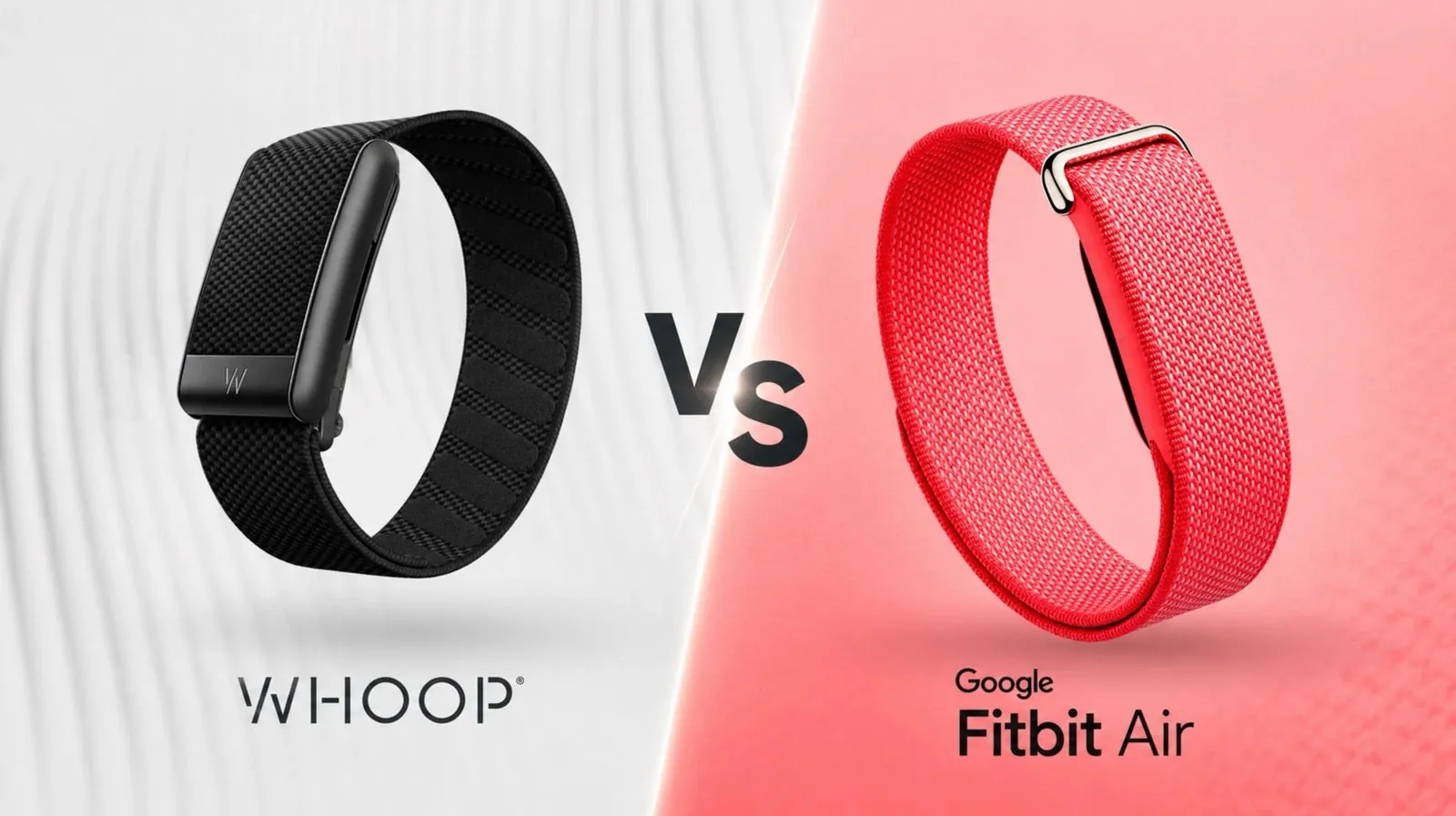
The wearable tech market is witnessing a fascinating showdown between two distinct approaches to health tracking: the subscription-based, performance-focused Whoop and Google’s newly launched Fitbit Air, priced at just $99. Aris examines how the Fitbit Air’s accessible pricing and optional premium upgrades challenge Whoop’s premium model, which includes a $200 annual subscription for advanced AI-driven insights. Both devices embrace a minimalist, screenless design, but their contrasting pricing strategies and target audiences highlight the shifting dynamics of consumer priorities in this competitive space.
In this deep dive, you’ll gain insight into the specific trade-offs between Whoop’s detailed performance metrics and Fitbit Air’s affordability-driven appeal. Explore how Google’s expertise in artificial intelligence could narrow the gap in health tracking capabilities over time and understand the broader implications of these devices for the future of wearable technology. This breakdown offers a clear lens into how these competing approaches reflect evolving consumer expectations and market trends.
Whoop vs Fitbit Air
TL;DR Key Takeaways :
- Google’s Fitbit Air, priced at $99, challenges Whoop with its affordable, screenless design and optional subscription model, making advanced health tracking more accessible.
- Whoop’s premium pricing model, including a $200 annual subscription, faces criticism for its lack of flexibility and transparency, especially as competitors offer more affordable alternatives.
- The Fitbit Air aligns with the trend toward minimalist wearables, targeting casual fitness enthusiasts and budget-conscious consumers, while using Google’s AI expertise for future updates.
- Intensifying competition from brands like Google, Garmin and Apple is reshaping the wearable tech market, emphasizing affordability and value without sacrificing functionality.
- Whoop must adapt to shifting consumer expectations by reevaluating its pricing strategy, enhancing AI capabilities and addressing customer concerns to maintain its position in the evolving market.
Whoop’s Premium Model: Strengths and Challenges
Whoop has carved out a niche in the wearable tech space by targeting elite athletes and fitness enthusiasts. Its subscription-driven model, priced at $200 annually, provides users with access to advanced AI-powered insights and detailed health data. The sleek, screenless design of its wearable device reinforces its focus on functionality over aesthetics, appealing to those who prioritize performance metrics.
However, this premium approach is not without its challenges. The mandatory subscription fee and additional hardware upgrade costs have drawn criticism from users who feel the pricing structure lacks flexibility. As competitors like Google introduce more affordable alternatives, Whoop’s model is increasingly under scrutiny. While the brand has thrived in a relatively uncontested market, the rapid evolution of wearable technology is forcing it to confront new challenges and adapt to shifting consumer expectations.
Google Fitbit Air: A Disruptive Contender
Google’s Fitbit Air enters the market as a disruptive force, offering affordability and flexibility that appeal to a broader audience. At just $99, it significantly undercuts Whoop’s combined hardware and subscription costs, making advanced health tracking more accessible. Unlike Whoop, the Fitbit Air does not require a subscription for basic features, though users can opt for premium services at an additional cost.
The Fitbit Air’s compact, screenless design aligns with the growing trend toward minimalist wearables, catering to casual fitness enthusiasts and budget-conscious consumers alike. While its algorithmic capabilities may not yet match Whoop’s, Google’s expertise in artificial intelligence suggests that future updates could narrow this gap. This positions the Fitbit Air as a strong contender in the wearable tech market, challenging established players to rethink their strategies.

Deep dive into the latest in fitness trackers by exploring our other resources and articles.
- Why Google’s New Fitbit Air is Making Apple and Whoop Sweat
- Google Fitbit Air : Everything We Know About the $99 Screen-Free Tracker
- Is the Fitbit Air the Whoop Killer We Have Been Waiting For?
- What the New Garmin Cirqa and Vivosmart 6 Leak Actually Reveals
- Master Your Apple Watch: The Best Features Apple Didnt Tell You About
- Squid Shirt Lets You Get Fit The Geeky Way
- AURA Fitness Tracker Monitors Your Body Hydration And Composition
- Get A Nike+ Fuelband SE Fitness Tracker (Certified Refurbished) And Save 74%
- Apple Watch Ultra 4: Why 2026 Is Finally the Year for a Redesign
- Samsung Galaxy Fit3 fitness tracker launched
Rising Competition and Market Dynamics
The launch of the Fitbit Air highlights the intensifying competition in the wearable technology sector. Established brands like Garmin and Apple are also expanding their offerings, blending advanced health tracking features with competitive pricing. This shift is reshaping consumer expectations, emphasizing affordability and value without compromising on functionality.
For Whoop, this competitive landscape presents significant challenges. The brand’s premium pricing model and mandatory subscription fees must now be justified against a backdrop of increasingly feature-rich and affordable alternatives. As competitors continue to innovate, Whoop faces mounting pressure to differentiate itself and demonstrate clear value to its users.
Customer Sentiment and Industry Trends
Whoop’s response to these competitive pressures has not been without controversy. Many users have expressed dissatisfaction with the perceived value of its offerings, particularly when compared to alternatives like the Fitbit Air. Criticism has also been directed at Whoop’s hardware upgrade fees, which some customers view as excessive and lacking transparency.
These frustrations have fueled speculation about Whoop’s future, with rumors of a potential acquisition by Amazon adding to the uncertainty. At the same time, the wearable tech industry is shifting toward affordability and accessibility. Consumers are increasingly drawn to devices that prioritize actionable health insights over hardware sophistication, reflecting a broader trend toward providing widespread access to health technology.
Google’s Fitbit Air exemplifies this shift, offering a streamlined product that caters to a wider audience. As affordability becomes a key driver of consumer choice, brands like Whoop must adapt to remain relevant in this changing landscape.
The Road Ahead for Whoop
Whoop’s ability to navigate these market shifts will determine its future in the wearable tech industry. To remain competitive, the brand may need to reevaluate its pricing strategy, enhance its AI-driven capabilities and address customer concerns about value and transparency. Differentiation will be critical as competitors like Google, Garmin and Apple continue to innovate and expand their reach.
Balancing its premium brand identity with the need to offer greater accessibility and value will be a delicate task for Whoop. The brand’s success will depend on its ability to adapt to evolving consumer preferences while maintaining the advanced health tracking features that have defined its reputation. Whether Whoop can rise to this challenge will shape its place in the future of wearable technology.
Media Credit: Aris
Disclosure: Some of our articles include affiliate links. If you buy something through one of these links, Geeky Gadgets may earn an affiliate commission. Learn about our Disclosure Policy.
