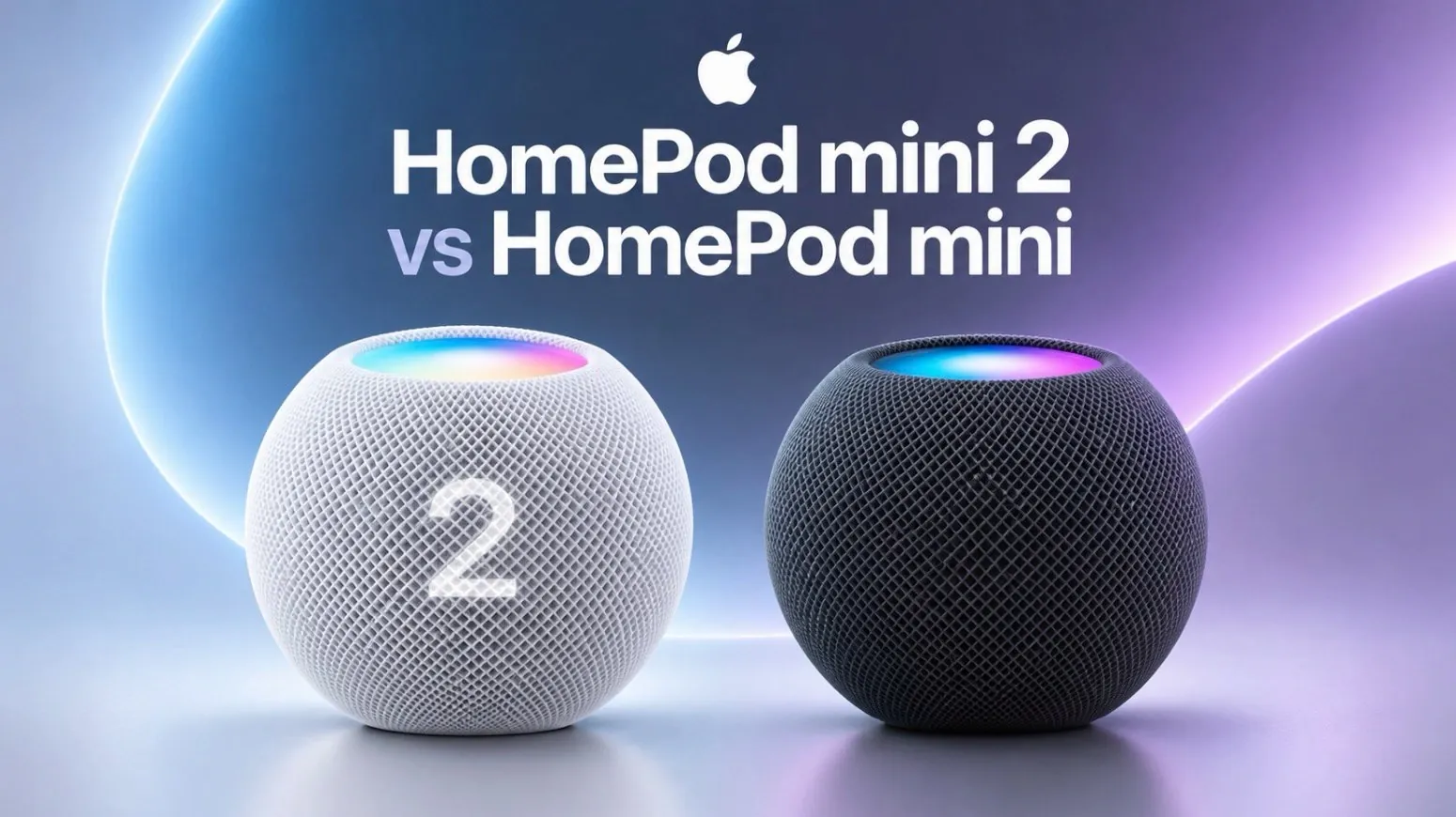
Apple’s new HomePod Mini 2 enters the market with a mix of upgrades and compromises, sparking debate about its value compared to the original HomePod Mini. Priced at $150, a 50% increase over its predecessor, the device introduces hardware enhancements like the S10 chip for faster performance, Wi-Fi 6E for improved connectivity and Bluetooth 6 for better pairing reliability. However, its most anticipated feature, Siri AI, is delayed and will face regional restrictions, particularly in the EU, limiting its initial appeal. A Smarter House explores how these updates stack up against the original model and whether they justify the higher price for existing HomePod Mini users.
Dive into this analysis to understand how the HomePod Mini 2’s hardware changes, such as reduced microphones and Thread 1.4 support, affect its functionality. You’ll also gain insight into its ecosystem exclusivity, which limits compatibility to Apple Home and how this compares to versatile competitors like the Amazon Echo Dot 6th Gen and Google Home Speaker. Whether you’re considering an upgrade or a first-time purchase, this breakdown will help clarify which device aligns best with your smart home needs.
Is the Upgrade Worth It?
TL;DR Key Takeaways :
- The HomePod Mini 2 is priced at $150, a 50% increase over the original model and features upgrades like the S10 chip, Wi-Fi 6E and Bluetooth 6.
- The highly anticipated Siri AI feature is delayed, with limited availability and regional restrictions, reducing its appeal as a next-gen smart assistant.
- Hardware changes include incremental improvements such as Thread 1.4 and Matter support, but a reduction in microphones may impact voice recognition in noisy environments.
- The device is exclusive to Apple’s ecosystem, lacking compatibility with platforms like Google Home or Amazon Alexa, which limits its utility for mixed-platform users.
- Competitors like the Amazon Echo Dot 6th Gen and Google Home Speaker offer broader compatibility and more features at a lower price, making them strong alternatives.
Price and Features
The HomePod Mini 2 positions itself as a premium option in Apple’s smart speaker lineup, but its $150 price point raises questions about its value compared to the original HomePod Mini, which launched at $99. The new model introduces several notable upgrades:
- The S10 chip, which promises faster processing and smoother performance.
- Wi-Fi 6E, offering improved connectivity and reduced network interference.
- Bluetooth 6, allowing more reliable and efficient device pairing.
However, the delayed rollout of Siri AI, which Apple markets as the device’s standout feature, significantly impacts its appeal. Siri AI will not be available at launch and will face regional restrictions, particularly in the EU. This delay diminishes the HomePod Mini 2’s potential as a next-generation smart assistant, leaving many users questioning whether the price increase is justified.
Hardware Changes: Incremental Improvements
The HomePod Mini 2 introduces some hardware updates, but these changes are largely incremental and may not be compelling enough for existing HomePod Mini owners to upgrade. Key differences include:
- A reduction in the number of microphones from four to three, which could affect voice recognition in noisy environments.
- Support for Thread 1.4 and Matter, making sure compatibility with modern smart home devices. However, these features are already available on the original HomePod Mini.
While these updates enhance the device’s functionality, they do not introduce any new features that set the HomePod Mini 2 apart from its predecessor. For users who already own the original model, the improvements may feel too minor to warrant the higher price.

Deep dive into the latest in HomePod Mini by exploring our other resources and articles.
- Apple’s HomePod Mini 2 Release Timeline: When Is the Smart Speaker Coming?
- The $149 HomePod Mini 2 Is Here — But Does It Justify the Price Hike?
- Things to Consider Before Buying Apple’s New HomePod mini 2
- Apple’s Smart Home Revolution Is Finally Here: Here’s What’s Changing
- Oops: Apple Accidentally Leaks a Whole Wave of Unreleased Products
- Apple’s “Welcome Home” Event Confirmed: What is Apple Actually Announcing?
- HomePod Mini 2 Could Finally Launch with Siri AI Support
- Apple Event Confirmed for October 13: New Smart Display, Apple TV 4K, and More
- Apple Unveils Next-Gen HomePod Mini with Siri AI and Rich Sound
- Apple HomePod Mini 2: S10 Chip, Siri AI, and Everything You Need to Know
Performance and Ecosystem: Ideal for Apple Users
For users deeply integrated into Apple’s ecosystem, the HomePod Mini 2 offers seamless functionality and enhanced smart home connectivity. Acting as a Thread 1.4 border router, the device improves connectivity for compatible smart home devices, making it a valuable addition for Apple Home users. Additionally, the multi-room audio sync feature, a hallmark of Apple’s HomePod lineup, allows for synchronized music playback across multiple rooms, enhancing the overall listening experience.
However, the device’s ecosystem exclusivity presents significant limitations:
- The HomePod Mini 2 is designed exclusively for Apple Home, with no support for competing platforms like Google Home, Amazon Alexa, or SmartThings.
- This lack of cross-platform compatibility restricts its utility for users with mixed-platform smart home setups.
While the HomePod Mini 2 excels within Apple’s ecosystem, its limited compatibility makes it less appealing for users who rely on devices from multiple brands.
Competitor Comparison: Affordable and Versatile Alternatives
The HomePod Mini 2 faces stiff competition from more affordable smart speakers that offer broader compatibility and additional features. Notable alternatives include:
- The Amazon Echo Dot 6th Gen, priced at $99, which supports Thread, Matter, and Zigbee, while also including sensors for temperature and motion detection.
- The Google Home Speaker, also priced at $99, which offers Thread, Matter, and seamless integration with Android devices, making it a versatile option for non-Apple users.
These competitors provide greater functionality at a lower cost, making them attractive choices for users who are not exclusively tied to Apple’s ecosystem. Their broader compatibility and feature sets highlight the limitations of the HomePod Mini 2, particularly for users seeking a more versatile smart speaker.
Limitations: What Holds the HomePod Mini 2 Back?
While the HomePod Mini 2 offers several improvements, it is not without its drawbacks. Key limitations include:
- The delayed rollout of Siri AI, which will require specific Apple devices for full functionality and may involve future subscription fees.
- A lack of native media player integration, limiting its ability to control third-party platforms like Home Assistant or other non-Apple services.
- Regional restrictions in the EU, where users will face limited access to Siri AI and other features due to regulatory constraints.
These limitations reduce the device’s appeal for users seeking a versatile and future-proof smart speaker, particularly those outside Apple’s ecosystem or in regions where Siri AI is restricted.
Recommendation: Who Should Consider the HomePod Mini 2?
The HomePod Mini 2 is best suited for users who are deeply invested in Apple’s ecosystem and prioritize seamless integration with other Apple devices. For these users, the device offers a polished experience, particularly in terms of smart home connectivity and multi-room audio.
However, for users with multi-platform smart home setups or those who already own the original HomePod Mini, the new model offers little incentive to upgrade. The higher price point and delayed rollout of Siri AI further complicate its value proposition, making it a less compelling choice for many potential buyers.
For those considering a smart speaker, alternatives like the Amazon Echo Dot 6th Gen and Google Home Speaker provide better value and broader compatibility. If you are set on purchasing the HomePod Mini 2, it may be wise to wait for a potential price reduction or software updates that unlock its full potential.
Media Credit: A Smarter House
Disclosure: Some of our articles include affiliate links. If you buy something through one of these links, Geeky Gadgets may earn an affiliate commission. Learn about our Disclosure Policy.
