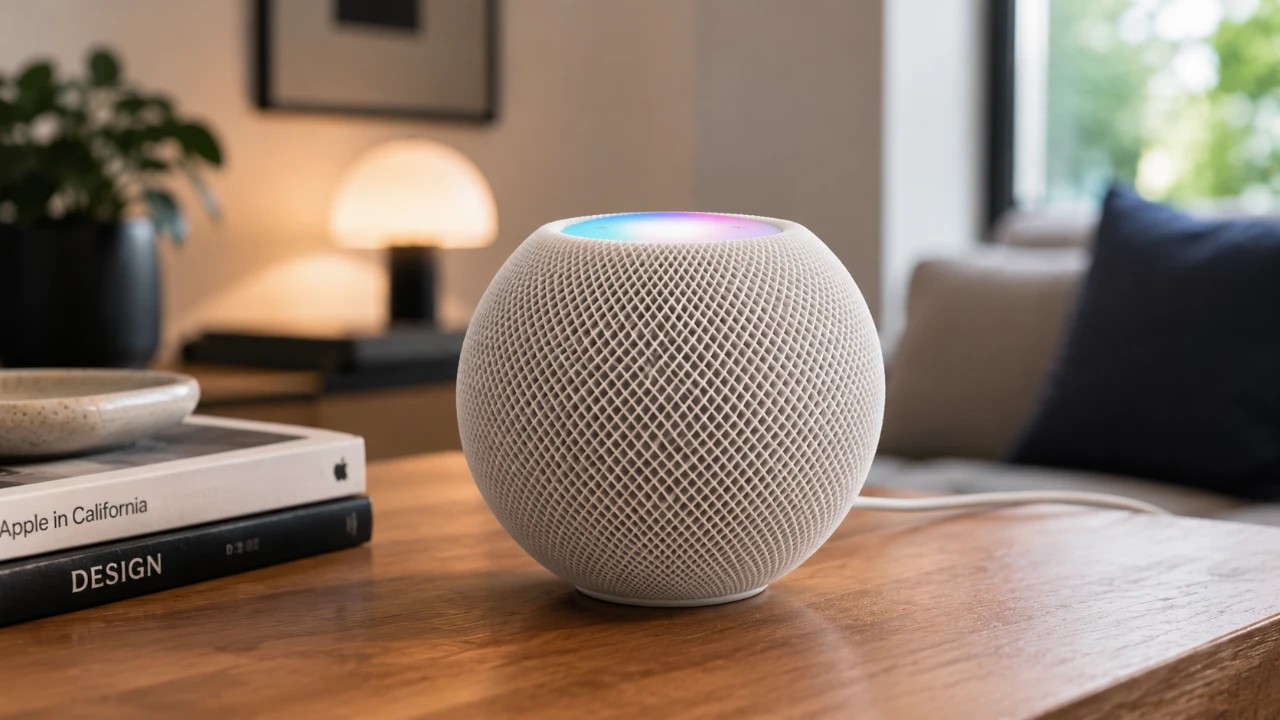
The HomePod Mini 2 represents Apple’s latest iteration of its compact smart speaker, offering a blend of subtle design updates, hardware enhancements, and new features. However, with a notable price increase compared to its predecessor, it’s crucial to evaluate whether these changes align with your needs and justify the cost. In the video below, ZONEofTECh delves into the key aspects of the HomePod Mini 2 to help you make an informed decision.

Refined Design and New Color Options
Apple has introduced minor design refinements with the HomePod Mini 2, including two fresh color options: green and soft pink. These replace the orange and yellow shades from the original model, aligning with Apple’s broader design language, such as the latest iMac lineup. The device retains its signature two-toned mesh fabric exterior and braided, color-matched power cord, maintaining its polished and premium aesthetic.
While these updates enhance visual appeal, the overall design remains largely unchanged. For users seeking a bold redesign or significant aesthetic innovation, the HomePod Mini 2 may feel familiar rather than new. However, the new colors provide additional customization options for those looking to match their smart speaker to their home decor.
Upgraded Hardware for Enhanced Performance
The HomePod Mini 2 features notable hardware upgrades, headlined by the inclusion of the S10 chip, a significant improvement over the S5 chip in the original model. This new processor delivers faster responses, smoother multitasking, and improved overall performance. While Apple has not disclosed detailed specifications, the device is believed to include increased RAM (2GB) and storage (64GB), making sure it can handle more demanding tasks and future software updates.
Connectivity has also been improved with the addition of Wi-Fi 6E and Bluetooth 6, offering faster and more reliable wireless connections. These advancements make the HomePod Mini 2 more future-proof, particularly for users with modern network setups. However, the benefits of these upgrades may be less noticeable for those with older Wi-Fi routers or limited reliance on advanced connectivity features.
New Features to Elevate the Experience
The HomePod Mini 2 introduces several new features aimed at enhancing functionality and user experience. These include:
- Sound Glow: A dynamic lighting feature that syncs with your music, creating a more immersive and visually engaging listening experience.
- Enhanced Siri AI: Smarter and more intuitive voice assistant interactions, powered by upcoming software updates.
- Home Theater Pairing: The ability to pair up to four units with Apple TV 4K for a surround sound setup, ideal for home entertainment enthusiasts.
While these features add value, their appeal may vary depending on individual preferences. For example, Sound Glow is likely to attract users who prioritize aesthetics and ambiance, while Home Theater Pairing will resonate with those seeking a more immersive audio experience. However, for casual users, these additions may feel more like optional extras than essential upgrades.
Audio Quality and Microphone Adjustments
Despite the hardware improvements, the HomePod Mini 2 delivers audio performance that is largely consistent with its predecessor. The speaker configuration remains unchanged, providing balanced sound quality that is well-suited for small to medium-sized spaces. While the audio output is clear and rich, it does not represent a significant leap forward compared to the first-generation model.
One notable change is the reduction in the number of microphones from four to three. At first glance, this might seem like a downgrade. However, the enhanced processing power of the S10 chip is expected to compensate for this adjustment, maintaining reliable voice recognition and Siri responsiveness. For most users, this change is unlikely to have a noticeable impact on everyday use.
Price Increase and Value Assessment
The most significant shift with the HomePod Mini 2 is its price. At $149, it is 50% more expensive than the original model, which launched at $99. This price hike places it at a disadvantage when compared to competitors like the Google Nest Mini and Amazon Echo Dot, both of which are available at significantly lower price points.
While the HomePod Mini 2 offers premium build quality, seamless integration with Apple’s ecosystem and a handful of new features, the relatively modest upgrades may not justify the higher cost for all users. For those already invested in Apple’s ecosystem, the added functionality and improved connectivity may be worth the premium. However, budget-conscious buyers may find better value in competing smart speakers or refurbished first-generation HomePod Mini models.
Retained Features from the Original Model
Many of the features that made the original HomePod Mini popular have been carried over to the second generation. These include:
- Temperature and humidity sensors: Useful for smart home automation and environmental monitoring.
- Thread support: Ensures compatibility with modern smart home devices.
- Ultra-wideband chip: Enables precise location tracking for seamless device handoff.
- Apple Music and Podcasts integration: Provides a smooth and intuitive listening experience for Apple users.
- Intercom functionality: Allows communication across Apple devices within the home.
While these features remain valuable, their presence in the original model may limit the appeal of the HomePod Mini 2 for existing owners. For new buyers, however, these capabilities contribute to the device’s overall utility and appeal.
Considerations and Limitations
The HomePod Mini 2 is not without its drawbacks. One of the most notable limitations is the lack of a built-in battery, which restricts portability and makes it less versatile compared to some competing smart speakers. Additionally, the discontinuation of vibrant color options like yellow and orange has disappointed some users who appreciated the bold aesthetic choices of the original model.
For current HomePod Mini owners, the incremental nature of the upgrades may not provide enough incentive to upgrade, especially given the higher price. Refurbished first-generation models, which are often available at a discount, may offer a more cost-effective alternative for those seeking similar functionality.
Final Thoughts on the HomePod Mini 2
The HomePod Mini 2 delivers a mix of subtle design updates, hardware enhancements, and new features that enhance its appeal within Apple’s smart speaker lineup. However, its higher price and incremental improvements may not justify an upgrade for existing users. For potential buyers, the decision ultimately depends on how much you value Apple’s ecosystem integration, features like Sound Glow and the improved connectivity offered by Wi-Fi 6E.
If you prioritize premium design, seamless Apple ecosystem compatibility, and advanced connectivity, the HomePod Mini 2 is a strong contender. However, if affordability, portability, or significant feature upgrades are your primary concerns, alternatives like the Google Nest Mini, Amazon Echo Dot, or a refurbished first-generation HomePod Mini may offer better value for your needs.
Expand your understanding of HomePod Mini 2 with additional resources from our extensive library of articles.
- Apple’s HomePod Mini 2 Release Timeline: When Is the Smart Speaker Coming?
- HomePod Mini 2 Could Finally Launch with Siri AI Support
- Apple Unveils Next-Gen HomePod Mini with Siri AI and Rich Sound
- Apple’s HomePod Mini 2 Delay is Intentional: The Secret Reason Revealed
- November 11th SHOCK: New Apple TV 2025 (A17 Chip!) & HomePod mini 2 Launching
Source & Image Credit: ZONEofTECH
Disclosure: Some of our articles include affiliate links. If you buy something through one of these links, Geeky Gadgets may earn an affiliate commission. Learn about our Disclosure Policy.
