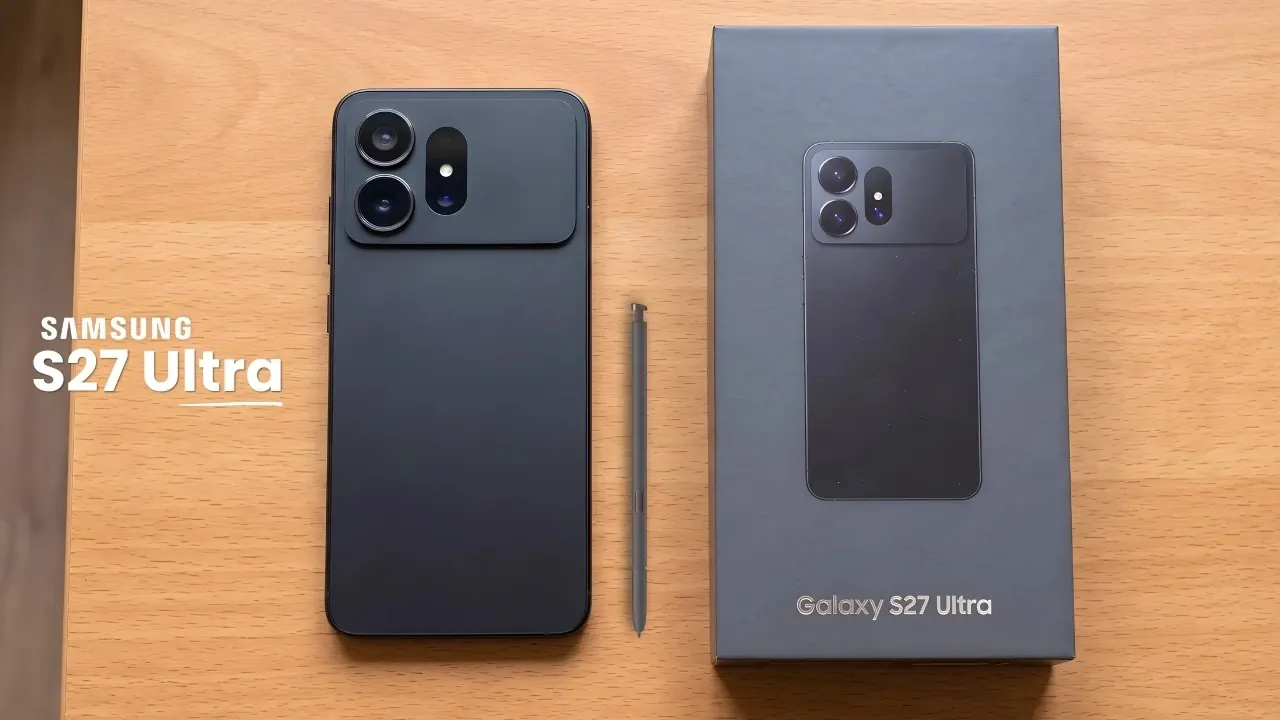
The Samsung Galaxy S27 Ultra is poised to be the centerpiece of Samsung’s next-generation smartphone lineup, drawing significant attention from both consumers and industry experts. However, its path to market is marked by critical decisions and challenges that could influence its reception. From processor selection and design refinements to an expanded product lineup and strategic launch timing, the Galaxy S27 Ultra represents a pivotal moment for Samsung. Here’s an in-depth look at the factors shaping this highly anticipated release in a new video from Talk Daily Tech.

Processor Challenges: Performance vs Stability
The processor is the foundation of any smartphone’s performance, and for the Galaxy S27 Ultra, it is a key area of focus. Reports suggest that Samsung plans to equip the device with Qualcomm’s Snapdragon 8 Elite Extreme Gen 6, an innovative chipset designed for flagship devices. However, early testing has revealed overheating issues, which could lead to performance throttling and raise concerns about long-term reliability.
In light of these challenges, Samsung is reportedly considering its in-house Exynos 2700 processor as an alternative. While the Exynos 2700 may offer better thermal management, it faces its own hurdles. Historically, Exynos processors have struggled to match Qualcomm’s performance benchmarks, particularly in markets like the U.S., where consumers prioritize speed, efficiency, and reliability. The decision between Qualcomm and Exynos will not only impact the Galaxy S27 Ultra’s technical capabilities but also its market perception, especially in regions where performance is a key selling point.
Design Refinements: Aesthetic Appeal vs Practicality
Samsung has made significant design updates to the Galaxy S27 Ultra, aiming to enhance its premium appeal. One of the most striking changes is the reduction of the display bezel to just 1.28 mm, creating a nearly edge-to-edge screen that offers a more immersive viewing experience. While this design choice underscores Samsung’s commitment to innovation, it also raises questions about durability. Thinner bezels may be more prone to damage, which could be a concern for users who prioritize sturdiness.
On the back of the device, Samsung has introduced a thicker camera bump, measuring 4.69 mm, to accommodate advanced camera technology. While this redesign supports improved photographic capabilities, it may affect the phone’s ergonomics, making it less comfortable to hold or use on flat surfaces. These design refinements highlight Samsung’s efforts to balance aesthetics and functionality, but they also illustrate the trade-offs involved in creating an innovative flagship device.
Expanding the Galaxy S27 Lineup
To cater to a broader audience, Samsung is expanding the Galaxy S27 series to include four distinct models: the Galaxy S27, S27 Plus, S27 Pro, and S27 Ultra. This diversified lineup is designed to meet the needs of various consumer segments, offering a range of features and price points.
The Pro and Ultra models are expected to feature a unique camera housing design that spans the width of the phone, setting them apart from the standard and Plus models, which are likely to retain a vertical camera layout. The introduction of the Galaxy S27 Pro suggests that Samsung is targeting consumers who seek a balance between premium features and affordability. However, the success of this strategy will depend on how well the new lineup resonates with consumers, particularly in light of the processor and design challenges.
Market Strategy and Launch Timing
Samsung plans to unveil the Galaxy S27 Ultra at its Galaxy Unpacked event, scheduled for January or February 2027. This early launch positions the device as one of the first major smartphone releases of the year, potentially giving it a competitive edge in the market. However, timing alone is not enough to ensure success.
In the U.S. market, where performance and reliability are critical, Samsung’s processor choice will be closely scrutinized. Additionally, the company’s ability to effectively communicate the benefits of its design updates and expanded lineup will play a crucial role in shaping consumer perception. Addressing these concerns ahead of the launch will be essential to securing a strong market reception and maintaining Samsung’s position as a leader in the smartphone industry.
Key Takeaways
The Samsung Galaxy S27 Ultra represents a bold step forward for Samsung, but it also faces significant challenges that could influence its success. Key factors to watch include:
- Processor performance and thermal management, with a critical decision between Qualcomm’s Snapdragon 8 Elite Extreme Gen 6 and Samsung’s in-house Exynos 2700.
- Design updates, including a reduced bezel and thicker camera bump, which enhance aesthetics but may raise concerns about durability and ergonomics.
- The introduction of a diversified lineup, including the Galaxy S27 Pro, aimed at appealing to a wider range of consumers with varying needs and budgets.
- Market strategy and launch timing, particularly in regions like the U.S., where consumer expectations for performance and reliability are high.
As the launch date approaches, Samsung’s ability to address these challenges will determine whether the Galaxy S27 Ultra lives up to its flagship status. For consumers and industry observers, the Galaxy S27 Ultra is more than just another smartphone; it is a device that could set the tone for the smartphone market in 2027.
Here are more detailed guides and articles that you may find helpful on the Samsung Galaxy S27 Ultra.
- Samsung Galaxy S27 Ultra Leaks: Why the 4-Camera Era Might Be Officially Over
- Samsung Galaxy S27 Ultra: First Look at the Biggest Changes Coming Next Year
- Major Design Change Leaks for the Samsung Galaxy S27 Ultra
- Samsung Galaxy S27 Ultra Release Date: When to Expect the Next Flagship
- Why the Galaxy S27 Ultra Could Be Samsung’s Best Phone in Years
Source & Image Credit: Talks Daily Tech
Disclosure: Some of our articles include affiliate links. If you buy something through one of these links, Geeky Gadgets may earn an affiliate commission. Learn about our Disclosure Policy.
