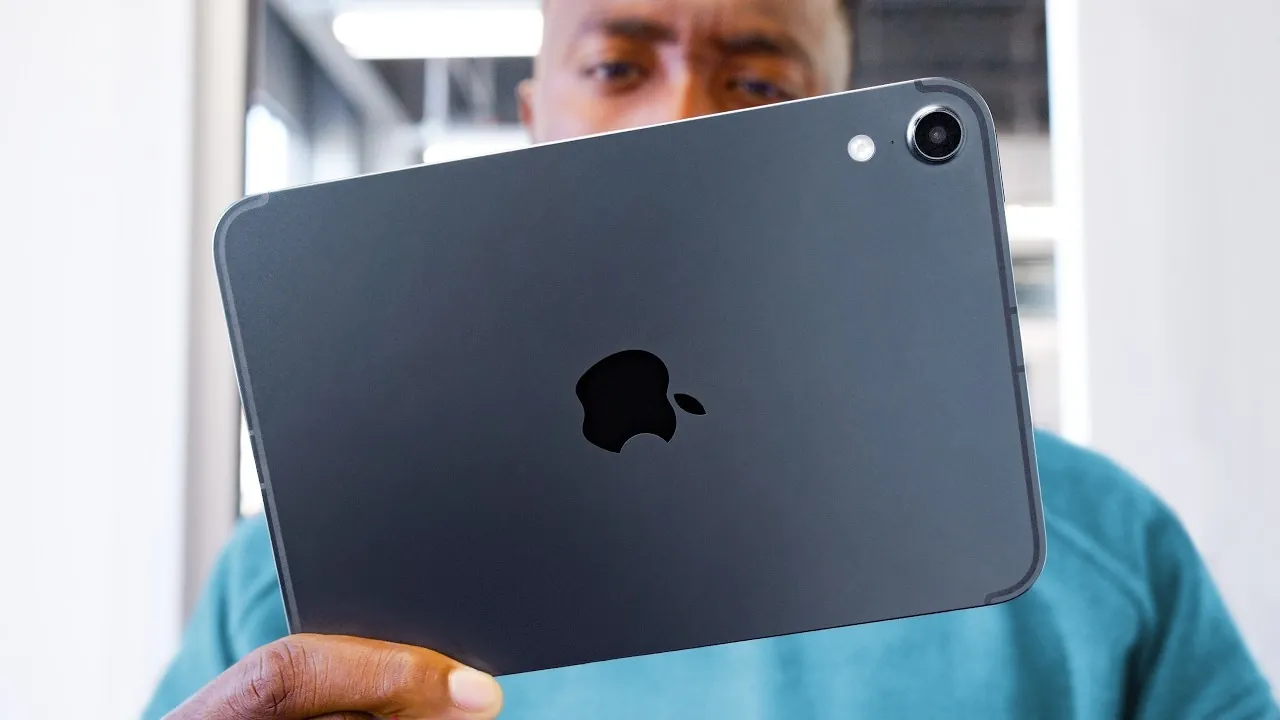
Apple’s 8th-generation iPad Mini represents a significant evolution in the company’s lineup, blending advanced technology with the brand’s hallmark design principles. Equipped with an 8.5-inch OLED display, the innovative A20 Pro chip, and innovative acoustic display technology, this compact tablet delivers a premium experience tailored for users who value portability and performance. However, Apple’s pricing strategy and feature segmentation introduce notable trade-offs, compelling potential buyers to weigh their priorities carefully. The video below from Marques Brownlee gives us a detailed look at the iPad Mini.

Design and Display: Compact Elegance
The redesigned iPad Mini is thinner, lighter, and more portable than its predecessors, making it an ideal choice for users who prioritize mobility without sacrificing functionality. Its 8.5-inch OLED display is a standout feature, offering vivid colors, deep blacks, and exceptional contrast, making sure an immersive viewing experience for everything from streaming videos to reading eBooks. For users seeking an even more refined visual experience, Apple offers a nano-texture finish option, which reduces reflections and fingerprints. However, this premium feature is restricted to higher storage configurations, adding to the overall cost.
Despite its premium positioning, the iPad Mini retains a 60 Hz refresh rate, which may disappoint users accustomed to smoother scrolling and animations. Many competing devices in the same price range now offer 120 Hz displays, making this omission a noticeable drawback for those who prioritize fluidity in their user experience.
Performance: The Power of the A20 Pro Chip
At the heart of the iPad Mini lies the A20 Pro chip, a powerhouse designed to handle multitasking, gaming and productivity with ease. This chip ensures the device can tackle demanding applications while maintaining efficiency. However, Apple’s tiered hardware strategy is evident here. The base models feature a slightly limited version of the chip, with full performance capabilities unlocked only in higher storage tiers. This segmentation underscores Apple’s approach to differentiating its products by price and storage capacity, which may frustrate users seeking top-tier performance without paying a premium.
For those who opt for the higher-tier models, the A20 Pro chip delivers seamless multitasking, fast app launches, and smooth gaming experiences, making the iPad Mini a versatile tool for both work and leisure.
Portability and Durability: Built for On-the-Go Use
Weighing less than most tablets in its class, the iPad Mini excels in portability, making it an excellent companion for users who are constantly on the move. Its compact size is ideal for activities such as reading, note-taking, or browsing during commutes or travel. Additionally, the device features an IP67 rating for water and dust resistance, making sure durability in a variety of environments.
One of the most innovative features of the iPad Mini is its acoustic display technology, which eliminates traditional speaker holes by directing sound through the display itself. This design not only enhances the device’s durability but also contributes to its sleek, minimalist aesthetic. The result is a tablet that feels both robust and refined, capable of withstanding everyday wear and tear while maintaining its premium look.
Pricing and Storage Options: A Premium Investment
The iPad Mini starts at $700 for the 128 GB model, positioning it firmly as a premium tablet. However, the pricing structure becomes increasingly complex as users move up the storage tiers. Features such as the nano-texture display are only available on models with 256 GB or more, further increasing the cost. This pricing strategy may leave some users feeling constrained, as they must pay more to access features that could arguably have been standard.
For budget-conscious buyers, this segmentation may feel restrictive. However, for those willing to invest in the higher-tier models, the iPad Mini offers a comprehensive package of performance, design, and innovation.
Additional Features: Enhancing the User Experience
Apple has incorporated several thoughtful features into the iPad Mini to enhance its usability and appeal. These include:
- An ultrawide landscape webcam optimized for video calls, providing a wider field of view and improved framing for virtual meetings or casual chats.
- Speaker-through-display technology, which ensures clear and immersive audio output without compromising the device’s sleek design.
- Two minimalist color options—Midnight and Starlight—catering to users who prefer understated yet elegant aesthetics.
These features add value to the device, particularly for users who prioritize functionality and design. However, they may not fully compensate for the limitations in other areas, such as the refresh rate and pricing structure.
Drawbacks and Criticisms: Balancing Strengths and Weaknesses
While the iPad Mini offers a host of impressive features, it is not without its shortcomings. The absence of a 120 Hz refresh rate is a significant drawback, especially at this price point, where smoother displays are becoming the norm. Additionally, Apple’s pricing strategy, which ties key features like the nano-texture finish and full chip performance to higher storage tiers, may alienate budget-conscious buyers.
These decisions reflect Apple’s commitment to maintaining a clear product hierarchy, making sure that each device occupies a distinct position within its lineup. However, this approach may leave some users feeling that they are paying a premium for features that could have been more widely accessible.
Future Implications: A Glimpse into Apple’s Design Philosophy
The inclusion of acoustic display technology in the iPad Mini hints at its potential adoption in future Apple products, such as iPhones and larger iPads. By eliminating speaker holes, this innovation not only enhances durability but also allows for sleeker, more streamlined designs. If widely implemented, it could redefine how Apple approaches sound delivery across its product ecosystem, potentially setting a new standard for the industry.
This forward-thinking approach underscores Apple’s ability to integrate innovative technology into its devices while maintaining its commitment to design excellence. However, as with any innovation, its success will depend on how well it balances functionality with user expectations.
A Premium Device with Trade-Offs
The OLED iPad Mini is a compelling device that strikes a balance between portability, performance, and innovation. Its 8.5-inch OLED display, A20 Pro chip, and IP67 water resistance make it a versatile tool for a wide range of tasks, from productivity to entertainment. However, its pricing structure and feature limitations reflect Apple’s characteristic approach to product segmentation, which may not appeal to all users.
For those willing to invest in higher storage tiers, the iPad Mini offers a premium experience that is difficult to match in its size category. Yet, for others, these constraints may serve as a reminder of the trade-offs inherent in Apple’s design philosophy, leaving them to weigh the benefits against the compromises.
Here is a selection of other guides from our extensive library of content you may find of interest on OLED iPad Mini.
- Apple’s OLED iPad Mini Is Finally Happening: Here Is Everything We Know
- Apple iPad Mini 8 Just Fully Leaked: Here is Everything Changing
- Leaked OLED iPad Mini Details Surface, but Does It Finally Deserve the ‘Pro’ Name?
- iPad Mini 8: Major Changes Coming to Apple’s Next Compact Tablet
- iPad Mini 8 Leaks: Massive Upgrades, But Will You Pay $799 for It?
- Apple Could Bring an OLED Display and Big Upgrades to iPad Mini
Source & Image Credit: Marques Brownlee
Disclosure: Some of our articles include affiliate links. If you buy something through one of these links, Geeky Gadgets may earn an affiliate commission. Learn about our Disclosure Policy.
