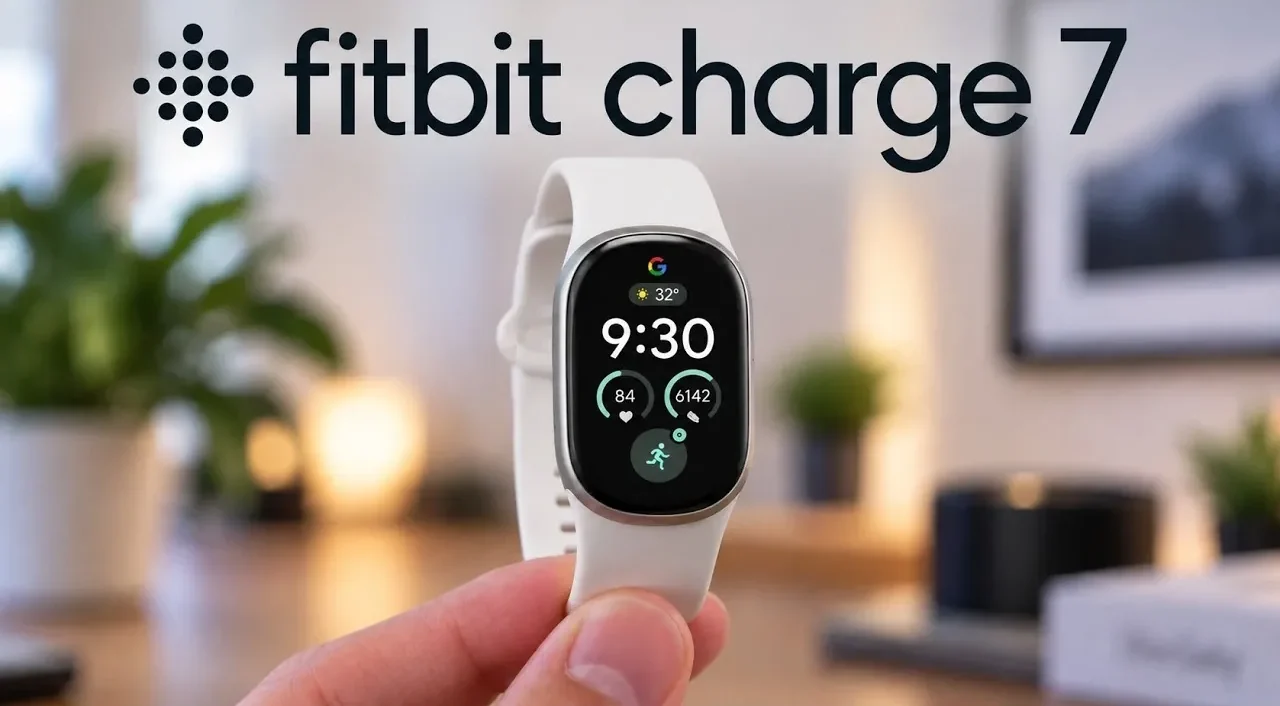
Google’s latest entry into fitness tracking, the Fitbit Charge 7, is drawing attention with details revealed through regulatory filings. According to TechAvid, the device will include Bluetooth Low Energy (LE) and GNSS technology for location tracking, but it will omit Wi-Fi and cellular connectivity. This suggests a deliberate emphasis on fitness-specific functionality rather than expanding into smartwatch territory. The filings also point to a compliance-driven design, featuring an electronic regulatory label that prioritizes practicality and simplicity.
Dive into this analysis to explore the implications of GNSS technology for outdoor fitness tracking, the benefits of smartphone syncing for managing health data and how the compact display is designed to enhance real-time usability. Understand how these features collectively position the Fitbit Charge 7 as a focused option for fitness enthusiasts.
Regulatory Filings: Unveiling the First Details
TL;DR Key Takeaways :
- A new fitness tracker, potentially the Fitbit Charge 7, has been identified through FCC and IMDA regulatory filings, signaling Google’s next step in wearable fitness technology.
- The device features Bluetooth Low Energy (LE) and GNSS for efficient data syncing and precise location tracking but lacks Wi-Fi and cellular connectivity, emphasizing simplicity and fitness-focused functionality.
- Regulatory filings suggest the device is purpose-built for health and activity monitoring, likely targeting fitness enthusiasts who prioritize core tracking features over smartwatch capabilities.
- The absence of Wi-Fi and cellular connectivity aligns with the design philosophy of previous Fitbit Charge models, reinforcing its identity as a dedicated fitness tracker.
- The launch timeline remains uncertain, with some documents marked confidential until March 2027, hinting at a potential release in late 2026 or early 2027.
The first indication of this device came from an FCC filing under the model number G8BL6. The filing lists Wayfang Gortech Electronics, a third-party manufacturer, as the applicant. While the filing does not explicitly name the product, it provides critical technical details, including the presence of Bluetooth LE and GNSS technology. These specifications strongly suggest that the device is a fitness tracker rather than a smartwatch, as they align with the features typically found in the Fitbit Charge series.
Further confirmation emerged from Singapore’s IMDA database, which explicitly identifies Google as the brand behind the device. This connection strengthens the assumption that the product belongs to Google’s Fitbit lineup. Regulatory filings like these often precede product launches, offering a glimpse into the device’s capabilities and its intended audience. For tech enthusiasts, these filings provide valuable insights into the direction of wearable technology.
Features: A Fitness-First Approach
The available details indicate that this device is purpose-built for fitness tracking, with a clear focus on delivering essential features for health and activity monitoring. Key features include:
- Bluetooth LE: Enables efficient wireless connectivity for syncing data with smartphones or other devices, making sure seamless integration into daily routines.
- GNSS Technology: Offers precise location tracking, making it ideal for outdoor activities such as running, hiking, or cycling. This feature enhances the device’s appeal to users who engage in outdoor fitness.
- Compact Display: Likely designed to provide real-time data visualization, such as heart rate, steps, or GPS routes, making sure that users can easily monitor their progress during workouts.
- Electronic Regulatory Label: A modern compliance feature that replaces traditional physical labels, contributing to a sleek and streamlined design.
Interestingly, the device lacks Wi-Fi and cellular connectivity, which sets it apart from smartwatches that prioritize constant internet access. This omission reinforces its identity as a dedicated fitness tracker, focusing on core functionality without the distractions or complexities of internet-based features. By narrowing its scope, the device caters to users who value simplicity and reliability in their fitness tools.

Gain further expertise in fitness trackers by checking out these recommendations.
- Amazfit Helio Strap Pro Unveils a Triple-Position Sensor System
- How Amazfit’s AI Coaching and Bio Charge Score Optimize Your Rest Days
- Garmin CIRQA Offers a Screenless $199 Alternative to Oura Ring
- Google and WHOOP Should Be Worried About Apple’s Rumored ‘Watch Air’
- Garmin CIRQA vs WHOOP 5.0: Which Fitness Tracker Should You Buy?
- Screenless Garmin CIRQA for Unobtrusive Fitness Tracking with a $199 Price Tag
- Google Fitbit Air: Why a Screenless Tracker is the Perfect Smartwatch Antidote
- £180 Garmin CIRQA Smart Band Requires No Subscription
- Garmin CIRQA vs Fitbit Air: $200 Premium Beats $100 Value
- Optional Garmin Connect Plus Adds AI Insights to Garmin CIRQA
Is This the Fitbit Charge 7?
The evidence strongly suggests that this device could be the Fitbit Charge 7 or a similar next-generation fitness tracker. Google has consistently demonstrated its commitment to improving Fitbit hardware and this product aligns with that strategy. The absence of Wi-Fi and cellular connectivity mirrors the design philosophy of previous Fitbit Charge models, which emphasize fitness tracking over smartwatch-like capabilities.
While the exact branding remains unconfirmed, the combination of features and regulatory filings points to a continuation of the Fitbit Charge series. If this is indeed the Fitbit Charge 7, it would likely target the mid-range fitness tracker market, appealing to users who prioritize health and activity monitoring without the added distractions of a smartwatch. This approach positions the device as an accessible yet feature-rich option for fitness enthusiasts.
When Will It Launch?
Despite growing anticipation, the exact launch timeline remains uncertain. Some FCC documents related to the device are marked confidential until March 2027, suggesting that the product may not debut immediately. This could indicate a potential release window in late 2026 or early 2027. However, regulatory filings often precede product announcements by several months, so additional details may emerge in the near future.
The timing of the launch will likely depend on Google’s broader product strategy and market conditions. As the wearable technology market continues to evolve, the Fitbit Charge 7 could play a pivotal role in reinforcing Google’s position in the fitness tracker segment. For now, the regulatory filings provide a tantalizing glimpse into what could be one of the most anticipated fitness devices of the coming year.
A Device Worth Watching
The potential Fitbit Charge 7 represents an exciting development in Google’s wearable technology lineup. With features like Bluetooth LE and GNSS, it appears to focus on delivering a robust and reliable fitness tracking experience. The absence of Wi-Fi and cellular connectivity underscores its role as a dedicated fitness tracker, designed to meet the needs of users who value simplicity and functionality over constant connectivity.
While the exact launch date remains unclear, the regulatory filings and database entries suggest that this device is on the horizon. For fitness enthusiasts and tech observers alike, the Fitbit Charge 7 is shaping up to be a product worth watching closely. Its combination of practical features and streamlined design could make it a standout option in the fitness tracker market, continuing Fitbit’s legacy of innovation and user-focused design.
Media Credit: TechAvid
Disclosure: Some of our articles include affiliate links. If you buy something through one of these links, Geeky Gadgets may earn an affiliate commission. Learn about our Disclosure Policy.
