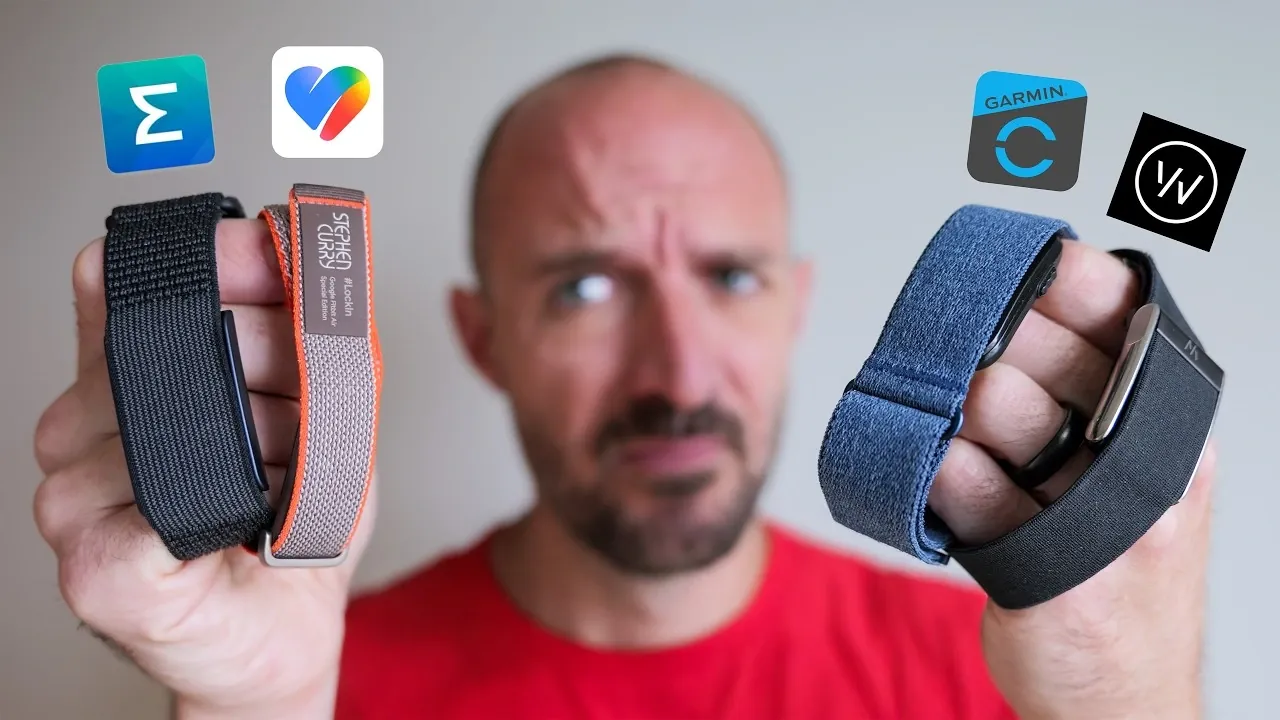
WHOOP 5.0 MG, Fitbit Air, Garmin CIRQA and Amazfit Helio are four fitness trackers designed to meet different health and activity needs. In a detailed comparison by Chase the Summit, these devices are analyzed for their hardware, software and usability. For example, the Garmin CIRQA features a rugged design and physical buttons, which make it particularly effective for outdoor activities and interval training. Each device offers unique strengths, from advanced recovery tracking to budget-friendly options.
Discover how these trackers compare in areas like app compatibility, subscription requirements and specialized fitness features. Learn about WHOOP’s recovery tracking, Fitbit Air’s integration with Google Health and Garmin CIRQA’s training readiness metrics. Explore Amazfit Helio’s cost-effective approach to balancing functionality and affordability, helping you make an informed choice based on your fitness goals and daily routines.
Hardware Features
TL;DR Key Takeaways :
- Each fitness tracker caters to specific user needs: Garmin CIRQA for athletes, Fitbit Air for casual users, WHOOP 5.0 MG for wellness enthusiasts and Amazfit Helio for budget-conscious users.
- Hardware differences include Garmin CIRQA’s rugged design, Fitbit Air’s lightweight portability and WHOOP 5.0 MG and Amazfit Helio’s balance of durability and comfort.
- Software ecosystems vary: WHOOP focuses on recovery, Fitbit integrates with Google Health, Amazfit offers budget-friendly options and Garmin excels in training tools.
- Cost considerations include device prices and optional or mandatory subscriptions, with WHOOP being the most expensive due to its subscription model.
- Choosing the right tracker depends on your fitness goals, lifestyle and budget, with each device offering unique strengths tailored to different priorities.
Each of these fitness trackers is designed with a specific user in mind, offering unique hardware features to cater to different preferences and activities:
- Garmin CIRQA: This tracker features a physical button for precise workout tracking, making it ideal for interval training or outdoor activities that require frequent start-stop actions. Its rugged design ensures durability, even in challenging environments.
- Fitbit Air: As the smallest and lightest option, Fitbit Air prioritizes portability and comfort, making it an excellent choice for users who prefer a discreet device for all-day wear. Its minimalist design appeals to casual users who value simplicity.
- WHOOP 5.0 MG and Amazfit Helio: Both devices are slightly larger but strike a balance between durability and comfort. These trackers are well-suited for users who prioritize robust performance during workouts and advanced sleep tracking capabilities.
While size and weight differences may be noticeable at first, most users adapt quickly, even during extended wear. The choice ultimately depends on your comfort preferences and the type of activities you engage in regularly.
Software and App Ecosystems
The software and accompanying apps are where these fitness trackers truly differentiate themselves, offering tailored ecosystems to meet diverse user needs:
- WHOOP App:
WHOOP focuses on recovery and wellness metrics, offering detailed insights such as heart rate variability (HRV), respiratory rate and skin temperature. Its AI-driven recovery graph helps you assess your readiness for physical activity. However, these premium features come with a high annual subscription cost, making it a choice for users who prioritize in-depth wellness tracking. - Google Health (Fitbit Air):
Fitbit Air integrates seamlessly with Google Health, providing a readiness score and an AI-powered health coach for actionable guidance. While the device itself is affordable, unlocking premium features requires a subscription, which may appeal to users already invested in the Google ecosystem. - Zep App (Amazfit Helio):
Amazfit Helio offers a mix of free and optional subscription-based features. Basic functionalities like hybrid charge and exertion tracking are included at no extra cost, but advanced sleep coaching through Zep Aura requires a subscription. While its AI insights are less detailed compared to WHOOP and Fitbit Air, the absence of mandatory fees makes it an attractive option for budget-conscious users. - Garmin Connect (Garmin CIRQA):
Garmin CIRQA excels in training tools, offering features like body battery (energy tracking), training readiness and load analysis. The app allows for extensive customization, allowing users to tailor their experience. However, its interface feels slightly outdated compared to competitors. An optional subscription unlocks advanced AI insights and additional features for those seeking deeper analytics.
Each app ecosystem is designed to enhance the user experience, but the choice depends on your priorities, whether it’s recovery insights, training tools, or budget-friendly functionality.

Uncover more insights about fitness tracker in previous articles we have written.
- Leaked Apple Watch Air Points to a Permanent Series Shift
- Apple’s Screenless Fabric Fitness Band May Launch In 2028
- Why Apple’s Secret “Watch Air” Project Is Giving Fitness Brands Nightmares
- Garmin CIRQA Offers a Screenless $199 Alternative to Oura Ring
- Google and WHOOP Should Be Worried About Apple’s Rumored ‘Watch Air’
- Garmin CIRQA vs WHOOP 5.0: Which Fitness Tracker Should You Buy?
- Screenless Garmin CIRQA for Unobtrusive Fitness Tracking with a $199 Price Tag
- Google Fitbit Air: Why a Screenless Tracker is the Perfect Smartwatch Antidote
- £180 Garmin CIRQA Smart Band Requires No Subscription
- Garmin CIRQA vs Fitbit Air: $200 Premium Beats $100 Value
Who Should Use Each Tracker?
The ideal fitness tracker for you depends on your fitness goals, lifestyle and priorities. Here’s a breakdown of who might benefit most from each device:
- General Wellness Tracking:
WHOOP and Fitbit Air are excellent choices for users focused on overall wellness and sleep tracking. WHOOP is perfect for those who value detailed recovery insights and are willing to invest in a subscription. Fitbit Air offers an affordable entry point with seamless integration into the Google Health ecosystem, making it a practical option for casual users. - Fitness and Training:
Garmin CIRQA stands out as the top choice for athletes and fitness enthusiasts, thanks to its advanced training tools and precise workout tracking. Amazfit Helio provides similar features at a lower price point but lacks the accuracy and ecosystem depth of Garmin’s offerings, making it better suited for budget-conscious users.
By identifying your primary fitness objectives, you can narrow down your options and select the tracker that best supports your goals.
Cost and Subscription Breakdown
Pricing is a crucial factor when choosing a fitness tracker, especially when subscriptions are involved. Here’s a detailed breakdown of costs for each device:
- Amazfit Helio: Priced at $99, this tracker does not require a mandatory subscription. Optional Zep Aura subscriptions are available for advanced sleep coaching, making it a cost-effective choice for budget-conscious users.
- Garmin CIRQA: Retailing at $199, Garmin CIRQA offers an optional subscription for advanced features and AI-driven insights. Its higher price reflects its robust training tools and durable design.
- Fitbit Air: At $100, Fitbit Air is an affordable option, but unlocking premium features such as AI-driven insights and readiness scores requires a subscription, which adds to the overall cost over time.
- WHOOP 5.0 MG: This device operates on a subscription-based model, with annual costs ranging from $200 to $359. It offers premium wellness and recovery insights, making it a worthwhile investment for users who prioritize detailed health metrics.
Understanding the total cost, including potential subscription fees, is essential to making an informed decision that aligns with your budget.
Which Tracker is Right for You?
Selecting the best fitness tracker ultimately depends on your specific needs, fitness goals and budget. Here’s a quick guide to help you decide:
- WHOOP 5.0 MG: Ideal for users seeking detailed recovery insights and all-day wellness tracking, provided the subscription cost fits within your budget.
- Fitbit Air: A great choice for those who value affordability, portability and AI-driven insights, especially if you’re already part of the Google Health ecosystem.
- Garmin CIRQA: Perfect for athletes and fitness enthusiasts who need advanced training tools and precise workout tracking.
- Amazfit Helio: Best suited for budget-conscious users who want a versatile tracker without mandatory subscription fees.
By carefully evaluating your fitness priorities, desired features and budget, you can confidently choose the tracker that best supports your lifestyle and goals.
Media Credit: Chase the Summit
Disclosure: Some of our articles include affiliate links. If you buy something through one of these links, Geeky Gadgets may earn an affiliate commission. Learn about our Disclosure Policy.
