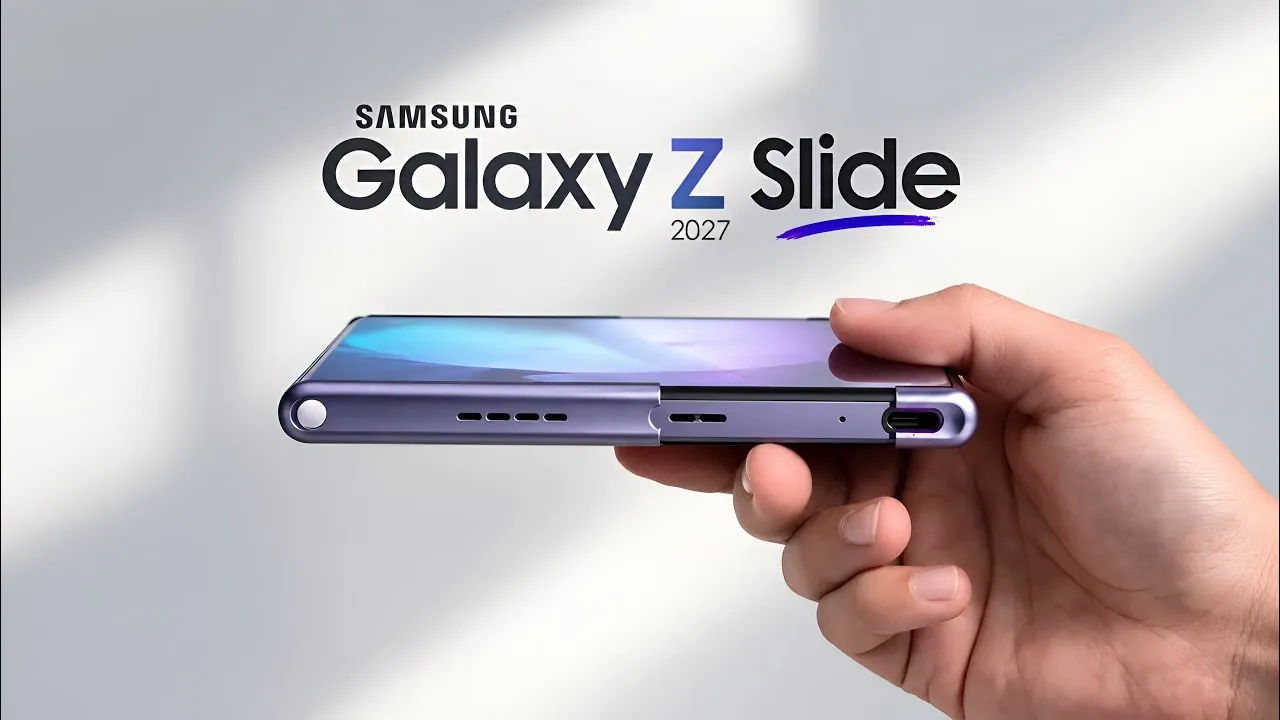
Samsung is poised to transform the smartphone industry with its rumored Galaxy Z Slide, a device that introduces rollable display technology. This innovative concept combines portability with functionality, offering a compact design that expands into a larger screen when needed. By addressing the limitations of current foldable devices, the Galaxy Z Slide could set a new standard for smartphone usability and design, blending innovative technology with practical applications.
TL;DR Key Takeaways :
- Upward-Expanding Display: Industry leaks and patent filings indicate a vertical rollable mechanism that shifts ratios from a compact 16:9 box layout to an extended 21:9 cinematic slab.
- Motorized Precision Tracks: Utilizes automated internal gears and dual-shaft engineering to unspool the flexible OLED panel smoothly at the touch of a button.
- Battery & Space Squeeze: Mechanical rolling components consume substantial internal chassis volume, driving research into dense silicon-carbon power cells.
- Distant Commercial Horizon: Current roadmaps and supply chain checks eye a potential commercial market launch around the first half of 2028.
How the Rollable Display Works
At the heart of the Galaxy Z Slide lies its rollable display, a flexible OLED screen that wraps around an internal roller mechanism. Unlike traditional foldable screens that rely on central book-style hinges, this device employs an advanced motorized system to extend and retract the display vertically. With the press of a button or software gesture, the screen smoothly expands to provide a larger viewing canvas and retracts to its compact form when not in use. This design completely eliminates visible center creases, ensuring a seamless and uninterrupted surface for users.

The rollable display not only enhances the visual experience but also introduces a new level of physical convenience, achieving a sleeker profile that appeals to users prioritizing both aesthetics and functionality.
Key Design Features
The Galaxy Z Slide’s design emphasizes portability and versatility, catering to users who demand a balance between compactness and maximum screen acreage. When rolled up, the device adopts a smaller, pocket-friendly shape, making it easy to carry. Once expanded, it transforms into a taller display ideal for activities such as multitasking, reading documents, or streaming media.
Additional design highlights include:
- A traveling camera architecture that integrates the sensor housing directly with the moving frame, maintaining a clean profile in both compact and extended configurations.
- A focus on a lightweight and ergonomic form factor, ensuring comfort during prolonged use despite the complex mechanical hardware housed within.
This thoughtful design approach ensures that the Galaxy Z Slide appeals to a wide range of mobile tech enthusiasts and power users.
Adaptive Software for a Dynamic Display
To complement its rollable hardware, Samsung is expected to implement adaptive software that dynamically adjusts to the screen’s changing dimensions. This software enhances usability by tailoring the user interface to the device’s current layout:
- When expanded, the extended screen real estate displays additional app elements, enables split-screen functionality, or supports advanced multi-window workflows.
- In its compact form, the smaller screen displays dynamic notifications and quick-access widgets tailored to the immediate profile.
This adaptability ensures a seamless user experience, allowing the device to transition effortlessly between distinct operational modes.
Engineering Challenges to Overcome
While the Galaxy Z Slide promises major advancements, it also faces notable engineering hurdles. The inclusion of a motorized mechanism, internal tracks, and sliding chassis sections naturally reduces the internal volume available for critical hardware like batteries. Key challenges include:
- Maintaining robust battery endurance without compromising the device’s slim profile.
- Ensuring the long-term durability of the flexible OLED panel and moving parts against daily mechanical wear and tear.
- Balancing thermal performance with a compact footprint to meet user expectations for speed and responsiveness.
Samsung’s ability to address these challenges—potentially utilizing high-density silicon-carbon battery cells—will play a crucial role in determining the device’s commercial viability.
Competitive Landscape
The Galaxy Z Slide enters a forward-looking market alongside established book-style foldables like the Galaxy Z Fold series. However, rollable technology offers distinct structural advantages:
- A crease-free continuous display that delivers a pristine visual surface.
- A compact footprint that prioritizes pocket portability while providing expansive viewing modes on demand.
As other manufacturers explore vertical and horizontal rolling concepts, Samsung’s engineering execution, software integration, and mechanical reliability will dictate whether the Galaxy Z Slide successfully establishes a new product category.
Expected Launch and Branding
Although the Galaxy Z Slide remains in active development and patent staging, industry reports suggest a potential commercial window targeted toward the first half of 2028. Samsung may choose to market the device under the Galaxy Z Slide or Galaxy Z Roll moniker to align cleanly with its existing flexible product families.
What This Means for the Future
The Galaxy Z Slide represents a bold step forward in mobile design, offering a physical device that adapts dynamically to the user’s immediate context. Its rollable display provides an intriguing alternative to traditional foldables, paving the way for a future where form and function merge seamlessly to match the evolving demands of mobile consumers.
Here are more detailed guides and articles that you may find helpful on Samsung Galaxy Z.
- Samsung’s TriFold 2 Fixes the Biggest Complaint About the First Gen
- Galaxy Z TriFold 2: Samsung Just Mastered the Ultimate Foldable Design
- Samsung’s Foldable Masterpiece: Galaxy Z Fold 8 Ultra Leaks
- Inside Samsung’s Galaxy Z Roll: Dual Motors and Rolling Glass
- Why the Samsung Galaxy Z Fold 9 Is Shaping Up to Be a Massive Leap
- Samsung Galaxy Z Roll 5G: Moving Cameras, Dynamic UI, and the Race to Kill the Crease
Source & Image Credit: Demon’s Tech
Disclosure: Some of our articles include affiliate links. If you buy something through one of these links, Geeky Gadgets may earn an affiliate commission. Learn about our Disclosure Policy.
