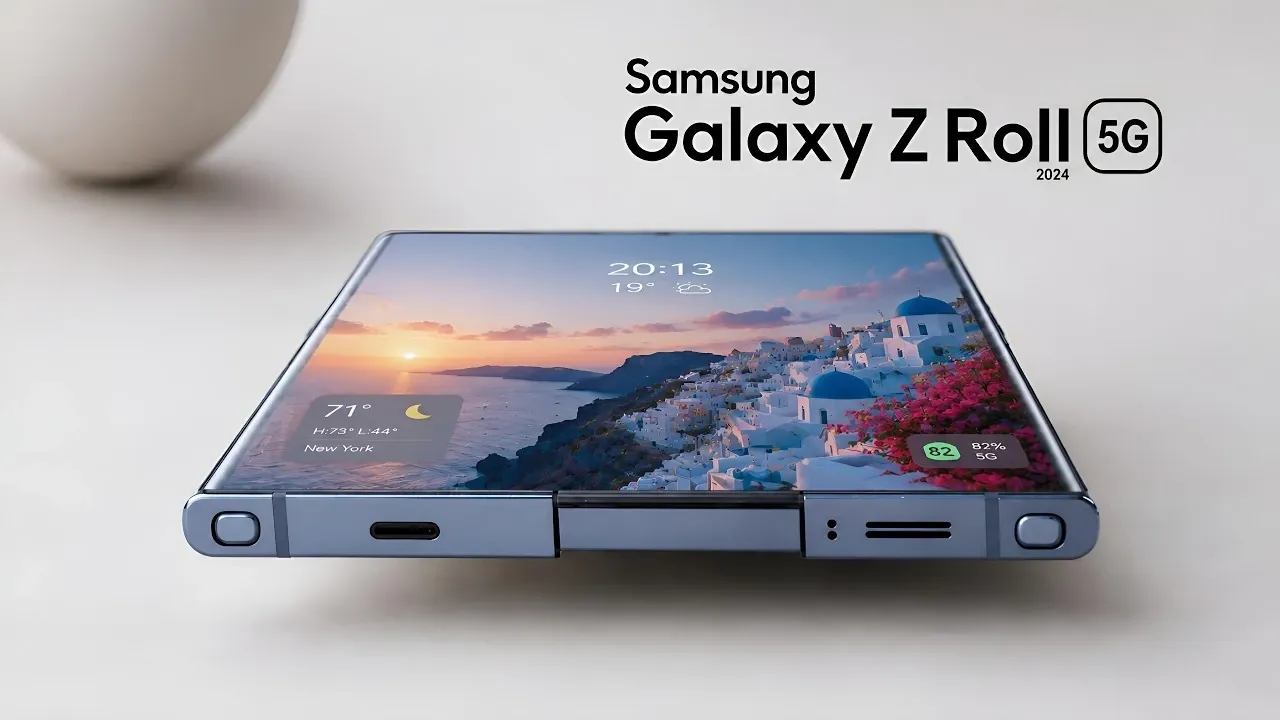
Samsung is preparing to introduce a new innovation in the smartphone industry with its highly anticipated rollable device, tentatively named the Galaxy Z Roll or Galaxy Z Slide. Expected to debut between 2027 and 2028, this device will feature a rollable OLED display that seamlessly expands outward, transforming a standard smartphone into a tablet-sized device. This innovative technology has the potential to reshape mobile technology by addressing the limitations of foldable phones while unlocking new possibilities for users.

What Sets the Rollable Design Apart?
The defining feature of the Galaxy Z Roll is its rollable OLED display, a technological advancement that eliminates the hinges and screen creases commonly associated with foldable phones. Instead of folding, the display extends outward in a smooth, controlled motion, offering a larger, uninterrupted screen. This innovative design not only enhances the device’s aesthetic appeal but also provides a more immersive and functional user experience.
Key features of the rollable display include:
- A fully extended screen size of approximately 10 inches, offering ample space for multitasking and media consumption.
- A 16:9 aspect ratio, optimized for watching videos, gaming and other entertainment purposes.
- An impressive pixel density of 440.6 PPI, delivering sharp, vibrant and lifelike visuals.
This seamless expansion allows users to effortlessly switch between smartphone and tablet modes, making the device ideal for productivity, entertainment and multitasking. Whether you’re editing documents, streaming content, or browsing the web, the Galaxy Z Roll promises a versatile and intuitive experience.
Advantages Over Foldable Phones
Foldable phones, while innovative, have faced criticism for their durability issues, particularly with hinge mechanisms and visible screen creases. The Galaxy Z Roll’s rollable design addresses these shortcomings by eliminating hinges entirely. This not only reduces the risk of mechanical failures but also enables a sleeker, thinner profile, enhancing both form and function.
Key advantages of the rollable design include:
- A smoother and more seamless transition between smartphone and tablet modes.
- An uninterrupted display that enhances the viewing experience, free from creases or folds.
- Improved durability by removing stress points associated with traditional folding mechanisms.
By resolving these pain points, Samsung’s rollable device could set a new benchmark for adaptable smartphones, offering a superior alternative to existing foldable models.
Overcoming Technical Challenges
While the rollable concept is undeniably innovative, it presents a unique set of engineering challenges. Durability remains a critical concern, as the rollable mechanism must withstand frequent use without compromising reliability. Additionally, designing a thin and lightweight device that integrates the rollable screen, battery and other components is a complex task.
Key challenges Samsung must address include:
- Making sure the rollable mechanism operates smoothly and reliably under various conditions.
- Optimizing battery performance to support the increased power demands of the expanding display.
- Maintaining structural integrity while achieving a compact and lightweight design.
Samsung’s ability to overcome these challenges will be pivotal in determining the Galaxy Z Roll’s success. The company’s extensive experience in display technology and engineering innovation positions it well to tackle these hurdles, but the execution will ultimately decide the device’s market impact.
Anticipated Release Timeline
Samsung is reportedly targeting a launch for the Galaxy Z Roll in the first half of 2028, with the possibility of an earlier release in 2027. Positioned as a premium offering, this device is expected to showcase Samsung’s leadership in innovative smartphone technology. If successful, the Galaxy Z Roll could pave the way for a new generation of rollable and expandable smartphones, setting a precedent for competitors in the industry.
Looking further ahead, Samsung may introduce a second-generation model by 2030, refining the technology and expanding its accessibility. This timeline underscores Samsung’s commitment to staying at the forefront of mobile innovation and shaping the future of the smartphone market.
The Broader Implications
The Samsung Galaxy Z Roll represents a significant leap forward in smartphone design, combining rollable OLED technology with a focus on durability, functionality, and user experience. By addressing the limitations of foldable phones and introducing a seamless, adaptable design, Samsung is poised to create a new category of devices that could redefine how we interact with mobile technology.
While challenges remain, the Galaxy Z Roll’s potential to transform the smartphone-to-tablet experience makes it one of the most anticipated advancements in the coming years. If successful, it could solidify Samsung’s position as a leader in innovation and inspire a wave of new possibilities in the tech world. This device is not just a step forward for Samsung but a glimpse into the future of mobile technology, where adaptability and functionality converge to meet the evolving needs of users.
Check out more relevant guides from our extensive collection on Galaxy Z Roll that you might find useful.
- Samsung Galaxy Z Roll 5G Leaks: A 12.4-Inch Motorized Screen and 324MP Camera?
- Samsung’s Rumored Galaxy Z Roll 5G Could End the Foldable Crease Era for Good
- Forget Foldables: Samsung’s Galaxy Z Roll Leaks Reveals the Future of Smartphones
- The Galaxy Z Roll 5G: Samsung’s Boldest Move Yet
- Samsung Galaxy Z Roll 5G: the Next-Gen Smartphone That Unrolls Into a Tablet
- Beyond the Crease: The Real Engineering Hurdles Facing The Samsung Galaxy Z Roll 5G
Source & Image Credit: Demon’s Tech
Disclosure: Some of our articles include affiliate links. If you buy something through one of these links, Geeky Gadgets may earn an affiliate commission. Learn about our Disclosure Policy.
