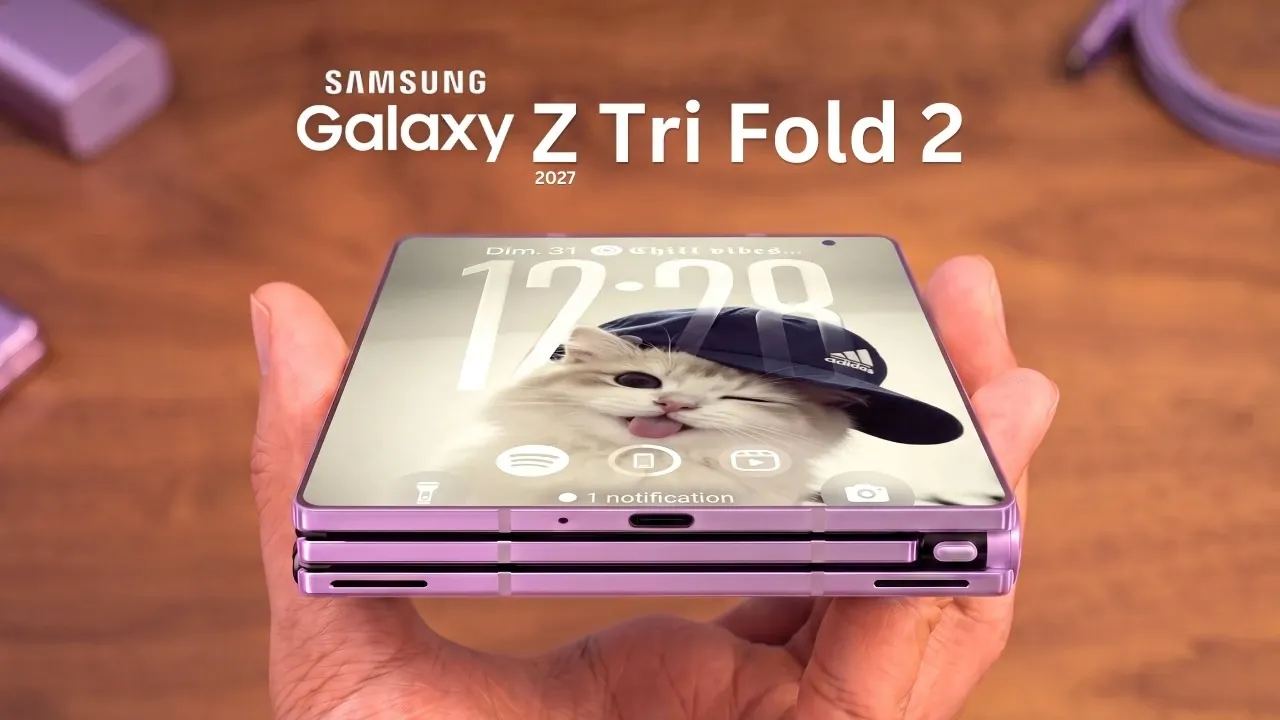
Samsung is advancing its efforts in foldable technology with the highly anticipated Galaxy Z Trifold 2, expected to launch in late 2026 or early 2027. This timeline reflects Samsung’s determination to maintain its leadership in the foldable smartphone market amidst growing competition. With Apple rumored to enter the foldable space, the Galaxy Z Trifold 2 is designed to address the limitations of its predecessor while introducing features aimed at captivating both loyal users and new adopters. This device represents Samsung’s commitment to innovation and its ability to adapt to the evolving demands of the premium smartphone market. The video below gives us more details on what Samsung has planned for its second-generation TriFold.

What’s New in Design?
Samsung is prioritizing significant design enhancements to make the Galaxy Z Trifold 2 more practical, portable and user-friendly. These improvements are expected to include:
- A thinner and lighter body, making sure greater portability without compromising functionality.
- A redesigned hinge mechanism to enhance structural integrity and reduce wear over time.
- The use of lightweight materials to improve ergonomics and overall handling.
Another notable addition could be the integration of a dedicated S Pen slot, catering to productivity-focused users who rely on stylus functionality for tasks such as note-taking and creative work. Furthermore, the cover screen is rumored to feature a more user-friendly aspect ratio, striking a balance between usability and the device’s compact design. These changes aim to refine the user experience while maintaining the innovative appeal of foldable technology.
Durability: A Top Priority
Durability remains a critical focus for Samsung as foldable devices continue to face scrutiny regarding their long-term reliability. The Galaxy Z Trifold 2 is expected to incorporate advanced materials designed to enhance resistance to scratches, impacts and everyday wear.
The hinge mechanism, a pivotal component of any foldable device, is likely to undergo significant engineering improvements. These upgrades aim to ensure the hinge can withstand frequent folding and unfolding, addressing concerns about the durability of foldable smartphones. By focusing on these enhancements, Samsung seeks to deliver a device that offers consistent performance and reliability over time.
Samsung’s ongoing exploration of rollable and slidable displays further underscores its commitment to pushing the boundaries of mobile technology. While these innovations are still in development, they hint at a future where devices offer even greater flexibility and adaptability, paving the way for new possibilities in smartphone design.
Pricing Strategy and Market Competition
Despite the rising costs associated with manufacturing foldable devices, Samsung is expected to maintain the Galaxy Z Trifold 2’s price at approximately $2,899, consistent with its predecessor. This pricing strategy positions the Trifold 2 as a premium product while making sure it remains competitive in an increasingly crowded market.
Apple’s rumored entry into the foldable market presents a significant challenge for Samsung. By accelerating the launch of the Trifold 2 and introducing meaningful improvements, Samsung aims to solidify its dominance and attract consumers seeking innovative technology. The company’s ability to balance innovation with affordability will be crucial in maintaining its leadership in the foldable segment.
Future Innovations and Challenges
Samsung’s ambitions extend far beyond the Galaxy Z Trifold 2. The company is actively exploring next-generation technologies, including rollable and slidable devices, which have the potential to redefine how users interact with their smartphones. These innovations promise exciting possibilities, such as larger display areas and more versatile form factors, but they also come with significant challenges. High production costs, complex manufacturing processes and the need for durable materials are just a few of the obstacles Samsung must overcome to bring these concepts to market.
The limited release of the original Galaxy Z Trifold highlighted the challenges of scaling foldable technology for mass production. For the Trifold 2 to succeed, Samsung must address these hurdles while making sure consistent quality and reliability. By doing so, the company can set a new benchmark for foldable devices and reinforce its position as a leader in the industry.
As the foldable market evolves, Samsung’s ability to innovate and adapt will be critical in meeting consumer expectations and staying ahead of competitors. The Galaxy Z Trifold 2 represents a significant step forward, but it also serves as a reminder of the ongoing challenges and opportunities in this rapidly advancing field.
Take a look at other insightful guides from our broad collection that might capture your interest in Samsung Galaxy Z Trifold 2.
- Galaxy Z TriFold 2: Samsung Just Mastered the Ultimate Foldable Design
- Samsung Galaxy Z TriFold 2: New Leaks Reveal Major Upgrades and Possible Early Launch
- Latest Release Date Rumors for Samsung Galaxy Z Trifold 2
- The Tri-Fold Revolution: What’s Next for the Galaxy Z TriFold 2
- Samsung’s TriFold 2 Fixes the Biggest Complaint About the First Gen
Source & Image Credit: Talks Daily Tech
Disclosure: Some of our articles include affiliate links. If you buy something through one of these links, Geeky Gadgets may earn an affiliate commission. Learn about our Disclosure Policy.
