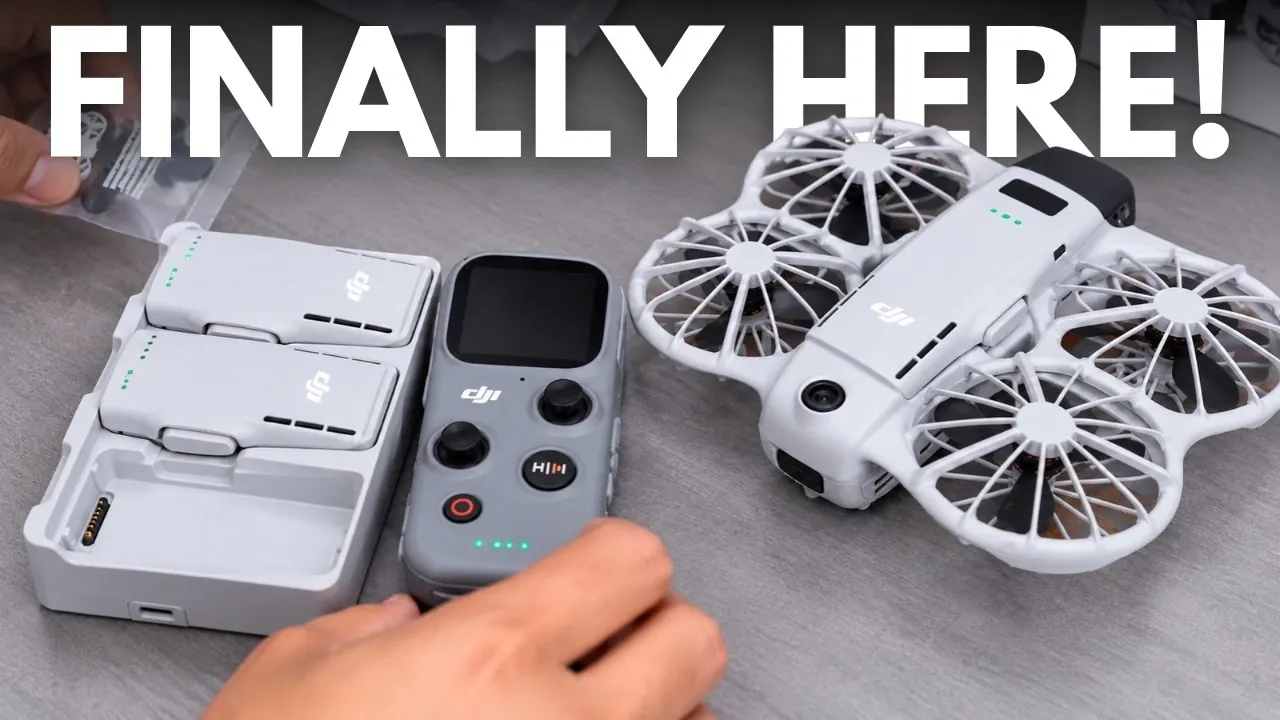
The DJI Neo 3 unboxing, shared by Tech Court, offers an early glimpse into the features and design of this compact yet capable drone. Weighing 192.7 grams, the Neo 3 stays under the 250-gram threshold, making it compliant with lightweight drone regulations in many regions. Notable design elements include a rectangular screen on the nose, likely housing advanced sensors and a robust airframe that supports omnidirectional obstacle sensing for safer flights. These features, combined with its upgraded camera system, suggest a focus on both functionality and portability, appealing to a diverse range of users.
In this explainer, you’ll gain insight into the FlyMore Combo’s accessory lineup, including multiple batteries and a charging hub for extended flight sessions. Discover how the Neo 3’s redesigned camera system, featuring a larger 1.1-inch sensor and true vertical shooting capabilities, enhances its potential for content creation. Additionally, explore the implications of its integrated transmission hardware and the unanswered questions surrounding its battery performance and video specifications. Each detail helps paint a clearer picture of what this drone brings to the table.
Compact Design with Advanced Features
TL;DR Key Takeaways :
- The DJI Neo 3 features a compact yet durable design with advanced sensors, an upgraded camera system and a weight of 192.7 grams, staying under the 250-gram regulatory threshold.
- The FlyMore Combo includes three batteries, a charging hub, RC Mini controller, USB-C cable and additional accessories, enhancing usability and convenience for extended flight sessions.
- The Neo 3 introduces a 1.1-inch square camera sensor with true vertical shooting and 2x lossless zoom, catering to content creators and aerial photography enthusiasts.
- An omnidirectional obstacle sensing system and potential integrated radio hardware improve safety, precision and connectivity, simplifying the user experience.
- Key specifications, such as battery capacity, flight time, video resolutions and pricing, remain unconfirmed, leaving room for further exploration and analysis.
The Neo 3 introduces a compact yet durable design, striking a balance between portability and functionality. Its airframe features a unique propeller arrangement and a rectangular screen on the nose, which likely houses advanced sensing hardware. Despite weighing 192.7 grams, heavier than the Neo 2’s 151 grams, the Neo 3 remains under the 250-gram threshold, making sure compliance with lightweight drone regulations in many regions.
The slight increase in weight suggests the inclusion of more robust components, potentially enhancing flight stability and durability. Additionally, the omnidirectional obstacle sensing system highlights the drone’s emphasis on safety and precision, making it an attractive option for both beginners and experienced users. This combination of portability and advanced features positions the Neo 3 as a versatile tool for a wide range of applications.
FlyMore Combo: Accessories for Enhanced Usability
The FlyMore Combo package is designed to maximize the Neo 3’s potential, offering a variety of accessories that enhance usability and convenience. Inside the box, you’ll find:
- Three batteries, allowing extended flight sessions without frequent recharging.
- A charging hub for efficient power management, allowing multiple batteries to be charged simultaneously.
- The RC Mini controller, featuring a lightweight and ergonomic design for comfortable handling.
- A USB-C cable, catering to modern charging and data transfer needs.
- Additional compact accessories, such as spare propellers and a carrying case, for added convenience.
These accessories cater to a diverse range of users, from casual hobbyists to professionals, making sure a seamless flying experience. The inclusion of multiple batteries and a charging hub is particularly beneficial for those who require longer operational times, such as photographers or surveyors.

Check out more relevant guides from our extensive collection on DJI Neo 3 that you might find useful.
- Rumoured DJI Neo 3 Drone Targets a September 2026 Launch
- Leaked DJI Neo 3 May Feature a 1/1.1-Inch Square Sensor
- Leaked DJI Neo 3 May Feature a 1/1.3-Inch Sensor Upgrade
- DJI Neo 3 Leak Reveals a Likely Upward Obstacle Detection Sensor
- Leaked DJI Neo 3 May Integrate Transceiver vs Neo 2 Module
- Unidentified Upward Sensor Clouds the DJI Neo 3 Box Leak
- Leaked DJI Neo 3 Shows a 192.7G Build vs 151G DJI Neo 2
- DJI Neo 3 vs DJI Neo 2: the 11-Minute Battery Flaw Explained
- DJI Neo 3 Could Extend the Neo 2’S 19-Minute Flight Time
- DJI RC Mini Features a Retractable USB-C Smartphone Mount
Battery Design: Promising but Unverified
The Neo 3 introduces newly designed batteries with distinctive black slots, which may serve purposes such as improved ventilation or aesthetic appeal. While the exact capacity and flight time remain unverified, the design hints at potential advancements in energy efficiency and heat management.
Battery performance is a critical factor for drone enthusiasts, as it directly impacts flight duration and operational flexibility. The lack of official specifications leaves questions about how the Neo 3 compares to its predecessor. If these new batteries deliver longer flight times and enhanced reliability, they could significantly elevate the drone’s appeal, particularly for users who prioritize extended usage.
Camera and Sensing: A Leap in Imaging Technology
The Neo 3’s camera system is one of its standout features, boasting a larger 1.1-inch square sensor. This upgrade enables advanced capabilities such as true vertical shooting and 2x lossless zoom, making it an appealing choice for content creators who demand high-quality visuals. These features are particularly useful for social media platforms where vertical content is increasingly popular.
The omnidirectional obstacle sensing system further enhances the drone’s ability to navigate complex environments, making sure safety and precision during flights. This combination of improved imaging technology and advanced sensing capabilities positions the Neo 3 as a versatile tool for aerial photography, videography and other creative applications.
Transmission System: Streamlined Connectivity
The unboxing suggests that the Neo 3 may integrate its radio hardware directly into the drone, potentially eliminating the need for an external transceiver. This design choice could simplify the user experience by reducing setup time and improving overall connectivity. However, specifics about the transmission system, such as its range, reliability, and latency, have yet to be confirmed.
If the transmission system delivers on expectations, it could enhance the drone’s appeal by offering a more streamlined and user-friendly experience. Reliable connectivity is particularly important for professional users who require consistent performance in various environments.
Unanswered Questions: Awaiting Further Details
While the unboxing provides valuable insights into the Neo 3’s design and features, several key details remain unclear. These include:
- Battery capacity and flight time, which are critical for understanding the drone’s operational limits.
- Video resolutions and frame rates, essential for evaluating its suitability for professional videography.
- Compatibility with existing DJI controllers, which could impact users who already own DJI equipment.
- Pricing and regional availability, which will determine its accessibility to different markets.
These unanswered questions highlight the need for official announcements from DJI to fully assess the Neo 3’s capabilities and market positioning. Until these details are clarified, potential buyers may need to weigh the available information against their specific needs and expectations.
A Promising Upgrade with Room for Exploration
The DJI Neo 3 unboxing reveals a drone that combines portability, advanced features, and a redesigned camera system, marking a significant upgrade over the Neo 2. Its compact design, enhanced imaging capabilities and thoughtful accessory package make it a compelling option for a wide range of users. However, the lack of confirmed specifications leaves room for speculation about its full potential.
As DJI releases more information, the Neo 3’s position as a leading drone in its category will become clearer. For now, the unboxing serves as an exciting preview of what this new model has to offer, sparking anticipation among drone enthusiasts and professionals alike.
Media Credit: Tech Court
Disclosure: Some of our articles include affiliate links. If you buy something through one of these links, Geeky Gadgets may earn an affiliate commission. Learn about our Disclosure Policy.
