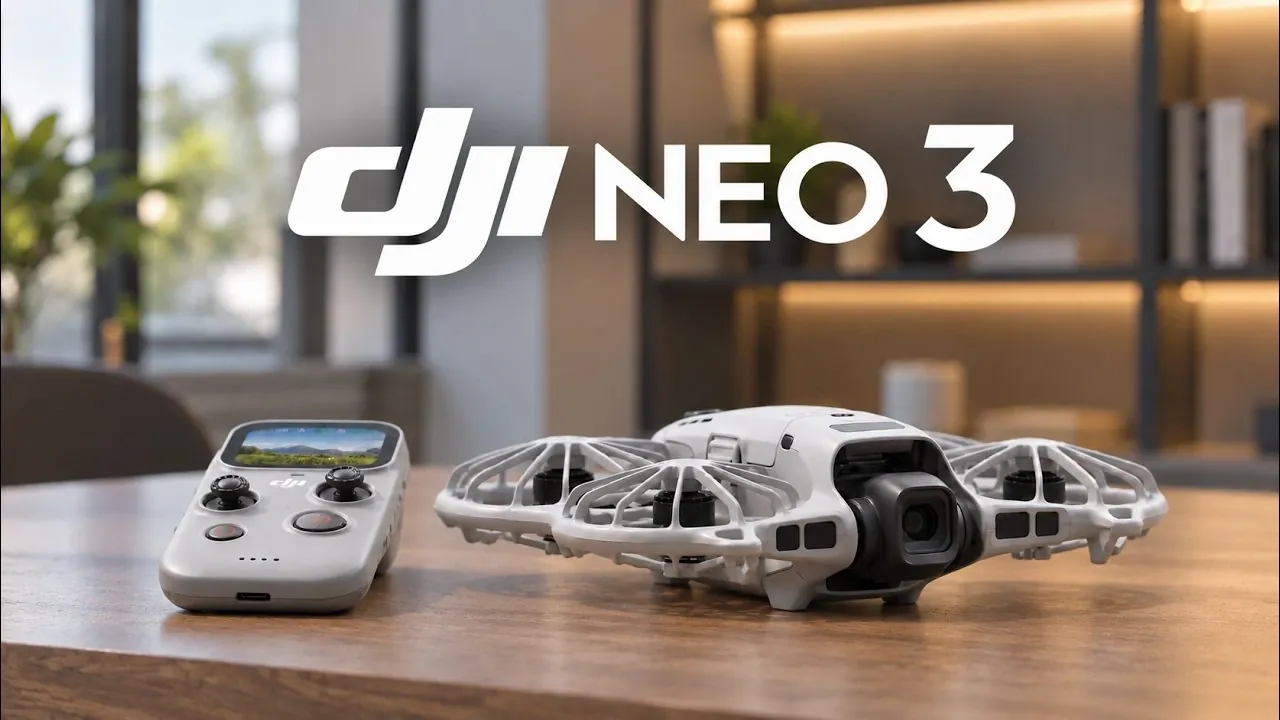
The DJI Neo 3 brings a noticeable shift in design, with its weight increasing to 192.7 grams, 42 grams heavier than its predecessor, the Neo 2. This added weight likely stems from structural enhancements such as propeller guards, a redesigned camera housing and a potential top-mounted module for advanced sensors. TechAvid explores how these updates may prioritize durability and functionality, even if they introduce trade-offs in agility and flight time. The discussion also provide more insights into how these changes could better equip the drone for demanding environments, offering a sturdier build for varied use cases.
Dive into key takeaways about the Neo 3’s potential propeller configuration, including the possibility of a “pusher” design that repositions the propellers beneath the motor assembly. Gain insight into how this setup could impact airflow dynamics and stability, or how alternative design choices like vaulted guards might affect safety and performance. The explainer also touches on DJI’s design history, providing context for these updates and their implications for drone enthusiasts and professionals alike.
DJI Neo 3 Drone
TL;DR Key Takeaways :
- The DJI Neo 3 introduces a 42-gram weight increase (192.7 grams total) compared to its predecessor, likely due to structural enhancements and new features like propeller guards, a redesigned camera housing and a top-mounted module.
- Speculation surrounds a potential shift to a “pusher” propeller configuration, which could improve weight distribution and airflow efficiency but may also impact stability and flight performance.
- Design updates, including taller vaulted guards or a protective cage, aim to enhance durability and safety, though they may influence agility and battery life.
- DJI appears to balance innovation with lessons from past models, such as the AATA and Evata 2, focusing on durability, functionality and user experience.
- Key questions remain about the Neo 3’s final design, including its propeller configuration, real-world performance and potential trade-offs in noise levels and efficiency.
What the Increased Weight Means for the Neo 3
The Neo 3 weighs 192.7 grams, reflecting a 42-gram increase compared to its predecessor, the Neo 2, which weighed 151 grams. This added weight likely results from structural enhancements and the integration of new features, such as:
- Propeller guards designed to improve safety during operation
- A redesigned camera housing for better protection and functionality
- A top-mounted module, possibly intended for advanced sensors or additional capabilities
Other potential contributors to the weight increase include added vents or a protective cage, which could enhance both durability and ventilation. While the added weight might raise concerns about agility and flight time, it could also indicate improved resilience, particularly in demanding conditions. These changes suggest that DJI is prioritizing durability and functionality, even if it means a slight compromise in weight. For users, this could translate into a more robust drone capable of handling diverse environments with greater reliability.
Propeller Configuration: A Shift to Pusher Design?
One of the most intriguing aspects of the Neo 3 is its potential shift in propeller configuration. Leaked packaging images suggest the possibility of a “pusher” design, where propellers are mounted beneath the motor and arm assembly. This unconventional setup could offer several advantages, including:
- Improved internal component arrangement, allowing for better weight distribution
- Enhanced airflow management, potentially leading to more efficient flight performance
Alternatively, the Neo 3 might retain a conventional propeller layout but incorporate taller, vaulted guards. These guards could recess the propellers deeper into the protective cage, improving safety and reducing the risk of collisions. However, this design might also influence airflow dynamics, potentially affecting stability and flight performance. Whether DJI opts for the pusher configuration or a modified traditional layout, the changes could have a significant impact on how the drone handles in various scenarios.

Uncover more insights about DJI Neo in previous articles we have written.
- Rumoured DJI Neo 3 Drone Targets a September 2026 Launch
- Leaked DJI Neo 3 May Feature a 1/1.3-Inch Sensor Upgrade
- Unidentified Upward Sensor Clouds the DJI Neo 3 Box Leak
- DJI Neo 3 Leak Reveals a Likely Upward Obstacle Detection Sensor
- DJI Neo 3 Could Extend the Neo 2’S 19-Minute Flight Time
- DJI Neo 3 vs DJI Neo 2: the 11-Minute Battery Flaw Explained
- How to Connect Your DJI Neo 2 to the Meta Quest 3
- DJI Neo 2 vs Lito Series: the Best Sub-$500 Drone Guide
- Insta360 May Challenge DJI Neo 2 with Rumored 360-Degree Drone
- Why the RayNeo Air 4 Pro is the Perfect DJI Neo 2 Upgrade
Airflow Dynamics: How Design Choices Impact Performance
If DJI adopts the pusher configuration for the Neo 3, it could lead to notable changes in airflow dynamics. This design might reduce turbulence and noise, resulting in greater efficiency during flight. However, it could also introduce challenges, such as altered airflow patterns that may affect stability and control, particularly in windy conditions.
DJI has previously explored pusher configurations, most notably with the original AATA model. While the design showed promise in terms of noise reduction and efficiency, the company reverted to a conventional setup with the Evata 2, citing improvements in overall performance and flight time. The Neo 3’s potential adoption of the pusher configuration could represent a renewed effort to refine this concept, but it remains unclear whether the benefits will outweigh the challenges. For users, this could mean a trade-off between innovative design features and the tried-and-tested reliability of traditional configurations.
Lessons from DJI’s Design History
To better understand the Neo 3’s design evolution, it is helpful to examine DJI’s past models and their development trajectory. The AATA’s pusher configuration demonstrated the potential for innovative propeller arrangements but also highlighted their limitations, particularly in terms of stability and noise management. By the time the Evata 2 was introduced, DJI had shifted back to a more conventional design, focusing on performance optimization and user experience.
The Neo 3 appears to build on these lessons, striking a balance between innovation and practicality. Its increased weight and potential propeller changes suggest that DJI is willing to experiment with new ideas while addressing the challenges encountered in earlier designs. This approach reflects a broader trend in drone development, where manufacturers aim to enhance functionality without compromising reliability.
Unanswered Questions About the Neo 3
Despite the information available, several key questions about the Neo 3 remain unanswered. These uncertainties highlight the need for further analysis and testing to fully understand the implications of its redesign. Some of the most pressing questions include:
- Does the drone truly adopt a pusher configuration, or is this impression based solely on packaging design?
- How will the added weight affect flight performance, agility and battery life in real-world conditions?
- Will the new design improve noise levels and efficiency, or introduce unforeseen challenges that could impact usability?
A closer examination of the drone’s underside and additional performance tests will be essential to confirm these details. For now, the Neo 3’s design changes remain a subject of speculation, leaving room for both excitement and uncertainty among potential users.
A Redesign with Potential and Questions
The DJI Neo 3 represents a bold step forward in drone design, with its increased weight and potential propeller configuration changes signaling a broader hardware evolution. These updates suggest a focus on enhancing durability, functionality and user experience, even as they raise questions about performance and practicality. As more details emerge, the true impact of these changes will become clearer, offering valuable insights into the evolving landscape of drone technology. For enthusiasts and professionals alike, the Neo 3 promises to be a compelling addition to DJI’s lineup, blending innovation with lessons learned from the past.
Media Credit: TechAvid
Disclosure: Some of our articles include affiliate links. If you buy something through one of these links, Geeky Gadgets may earn an affiliate commission. Learn about our Disclosure Policy.
