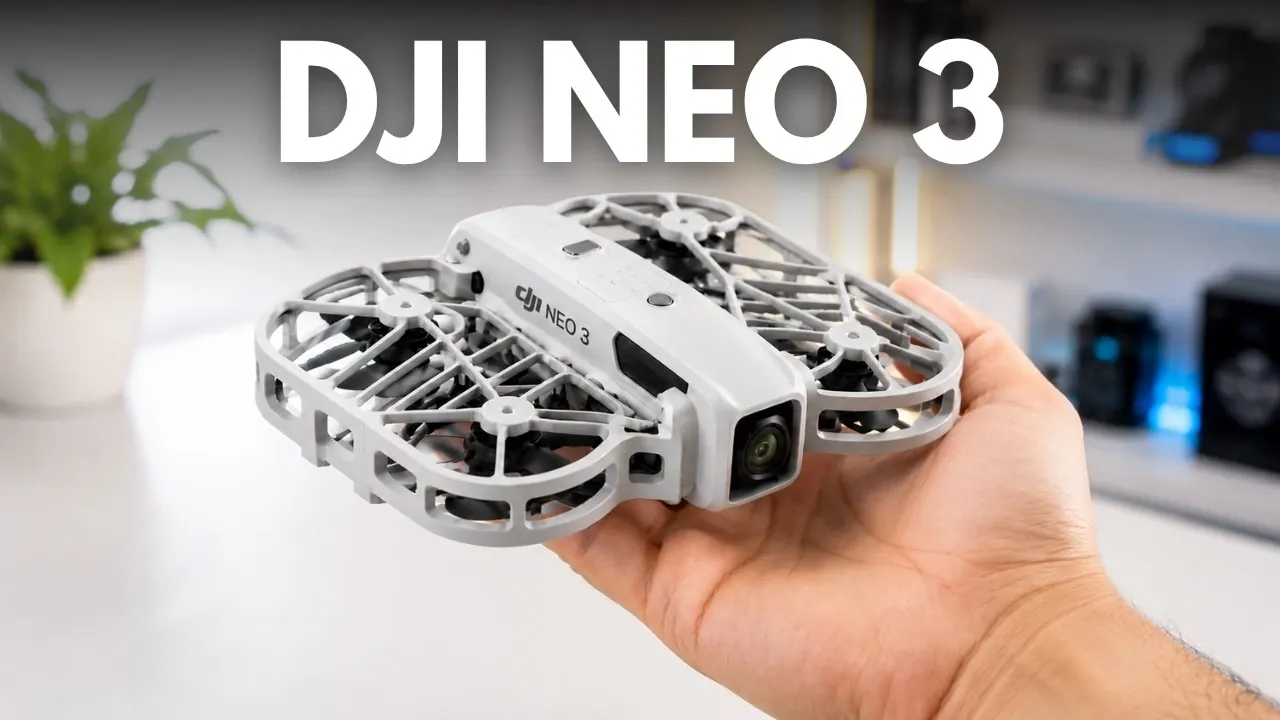
The DJI Neo 2 gained popularity among casual drone enthusiasts for its compact design, user-friendly operation and safety-oriented features like protected propellers. Despite these strengths, its limited battery life, ranging from 10 to 19 minutes, often interrupted filming and left users seeking longer flight times. According to Tech Court, the anticipated DJI Neo 3 could address these challenges by extending flight duration, improving wind resistance and enhancing camera capabilities. With competitors such as Insta360 and Hover advancing their offerings, DJI faces the task of refining the Neo series while maintaining its appeal to everyday users.
Dive into the specific areas where the Neo 3 could evolve to meet user needs. Discover how improved tracking and obstacle avoidance systems might enhance outdoor usability and explore the potential benefits of upgraded low-light camera performance for creators. Additionally, this guide examines how DJI might introduce new features, like 360-camera functionality, without overlapping with its Mini and Avata series, making sure the Neo 3 remains distinct in its lineup.
The Neo 2: Strengths and Shortcomings
TL;DR Key Takeaways :
- The DJI Neo 3 is generating excitement as a potential successor to the Neo 2, which was popular for its portability and beginner-friendly features.
- The Neo 2’s limitations, including short battery life, limited wind resistance and subpar low-light camera performance, highlight areas for improvement in the Neo 3.
- Key upgrades for the Neo 3 could include extended battery life, enhanced wind resistance, advanced tracking and obstacle avoidance and improved camera capabilities.
- Competition in the compact drone market is intensifying, with rivals like Insta360 and Hover introducing innovative designs, pushing DJI to refine its offerings.
- While no official details about the Neo 3 have been confirmed, a late 2026 launch is speculated, with expectations of incremental improvements rather than a complete redesign.
The DJI Neo 2 carved a niche for itself with its lightweight design, weighing just 151 grams and its exceptional portability. Its user-friendly features, such as palm takeoff and controller-free operation, made it particularly attractive to beginners. Gesture controls and ActiveTrack technology further enhanced its appeal, allowing users to capture dynamic footage effortlessly. Additionally, the protected propeller design added a layer of safety, making it a practical choice for creators on the move.
Despite its strengths, the Neo 2 was not without its flaws. Its battery life, which ranged from 10 to 19 minutes in real-world conditions, often disrupted filming sessions and limited its utility for extended flights. Wind resistance and tracking performance also left room for improvement, particularly in challenging outdoor environments. While the camera was adequate for casual use, it struggled in low-light conditions and lacked the dynamic range required for professional-grade visuals. These limitations highlighted areas where the Neo series could evolve to better meet user needs.
Key Improvements the Neo 3 Must Deliver
If DJI is indeed developing the Neo 3, addressing the Neo 2’s shortcomings will be essential to its success. Several critical areas require attention to ensure the Neo 3 meets the expectations of modern drone users:
- Battery Life: Extending flight time is crucial to allow users to capture more footage without frequent interruptions.
- Wind Resistance: Improved stability in windy conditions would enhance reliability for outdoor use.
- Tracking and Obstacle Avoidance: Advanced tracking technology and smarter obstacle detection could enable safer and more autonomous flights.
- Camera Performance: Enhancing low-light capabilities and dynamic range would appeal to creators seeking higher-quality visuals.
In addition to these improvements, incorporating innovative features such as 360-camera functionality could position the Neo 3 as a versatile tool for both aerial and handheld applications. Such advancements would not only address user feedback but also set the Neo 3 apart in an increasingly competitive market.

Find more information on DJI Neo by browsing our extensive range of articles, guides and tutorials.
- Rumoured DJI Neo 3 Drone Targets a September 2026 Launch
- How to Connect Your DJI Neo 2 to the Meta Quest 3
- DJI Neo 2 vs Lito Series: the Best Sub-$500 Drone Guide
- Why Insta360’s Rumored Modular Drone Could Be the Ultimate DJI Neo 2 Alternative
- Insta360 May Challenge DJI Neo 2 with Rumored 360-Degree Drone
- DJI Neo 2 vs Avata 2, the Honest Test That Flips Our Best Drone Pick Today
- Why the RayNeo Air 4 Pro is the Perfect DJI Neo 2 Upgrade
- Modified DJI Neo 2 Hits 163 Km/h with Custom 3D Printed Mounts
- A Mystery DJI Drone Prototype Was Just Spotted : Anticipated Neo 3?
- DJI Lito X1 vs Neo 2: Hidden Trade-Offs in DJI’s Budget Drone Lineup
Competition and Market Dynamics
The compact drone market is evolving rapidly, with competitors like Insta360 and Hover introducing innovative designs. Insta360 is reportedly working on a foldable drone that combines portability with its expertise in 360-camera technology. Meanwhile, Hover’s Versa model offers a hybrid approach, functioning as both a handheld and aerial camera, appealing to creators who value versatility.
For DJI, the Neo 3 represents an opportunity to refine its strengths while addressing user concerns. By enhancing battery life, camera performance and tracking capabilities, DJI could differentiate the Neo 3 from its rivals. However, the company must also ensure that the Neo 3 does not overlap with its Mini and Avata series, which cater to different segments of the drone market. Striking this balance will be critical to the Neo 3’s success.
Looking Ahead: The Future of the Neo Series
Although DJI has not released any official details about the Neo 3, reports of a prototype spotted in April 2026 suggest that the company may be exploring a design consistent with the Neo series’ philosophy. If launched, the Neo 3 is likely to focus on incremental improvements rather than a complete overhaul. This approach would preserve the series’ appeal to casual users while addressing critical areas such as battery life, camera performance and tracking.
Based on DJI’s typical release patterns, a late 2026 launch appears plausible. However, without concrete evidence, this remains speculative. Details about pricing, specifications and availability are also unknown, leaving potential buyers eagerly awaiting further announcements. For now, the drone community continues to watch and wait, hopeful for what the Neo 3 might bring to the table.
Media Credit: Tech Court
Disclosure: Some of our articles include affiliate links. If you buy something through one of these links, Geeky Gadgets may earn an affiliate commission. Learn about our Disclosure Policy.
