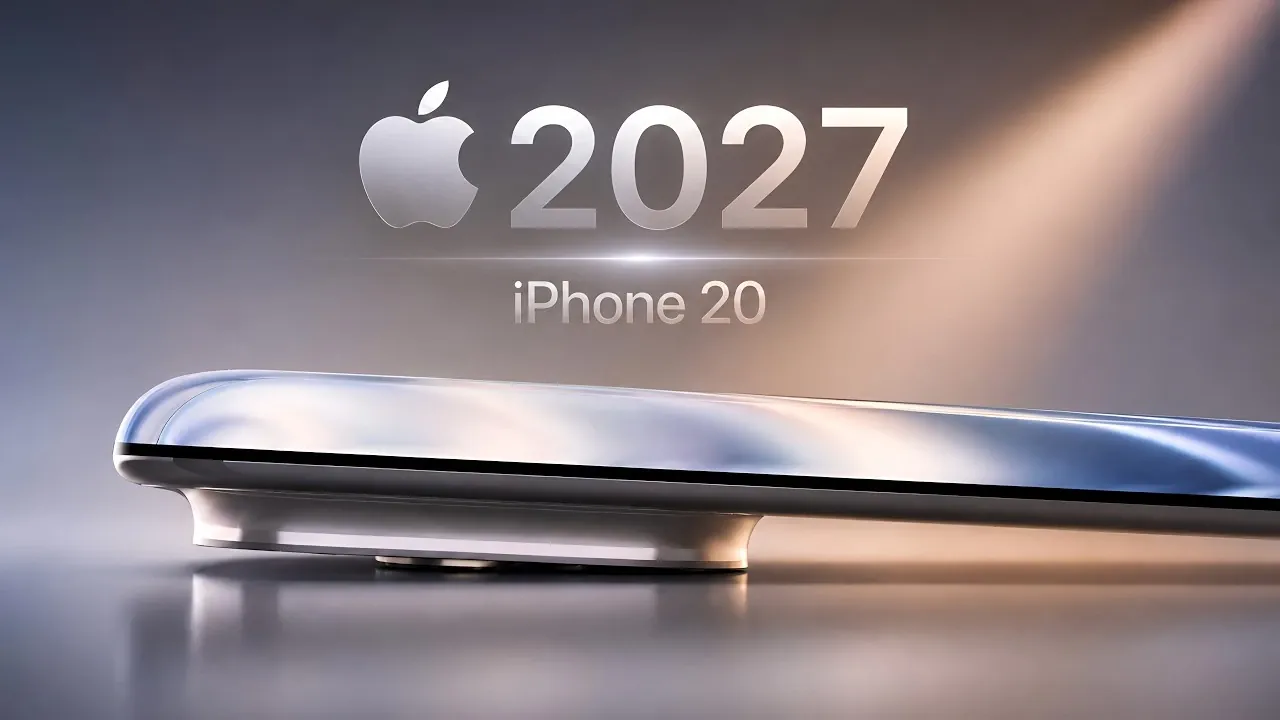
The iPhone 20 is poised to introduce a new design that could redefine the future of smartphones. Apple’s ambitious vision centers on a full surround display that seamlessly wraps around all four sides of the device, eliminating visible bezels and traditional frames. This futuristic concept, however, relies heavily on Samsung’s ability to develop advanced OLED technology capable of bending sharply without compromising performance. While the idea is innovative, it presents significant engineering, usability and durability challenges that must be addressed to bring it to life.
A Visionary Design: The Full Surround Display
Apple’s vision for the iPhone 20 revolves around an all-encompassing display that integrates the front, back and sides into a single, continuous screen. This design would represent a significant leap forward in smartphone aesthetics, pushing beyond today’s bezel-less designs. The core innovation lies in the development of an OLED panel capable of bending at sharp 90° angles, effectively transforming the sides of the phone into functional display areas.
This design could unlock a range of new possibilities for user interaction. For example, the phone’s sides could serve as touch-sensitive zones for controlling volume, accessing notifications, or launching app shortcuts. Additionally, the absence of bezels could create a more immersive viewing experience for media consumption and gaming. However, achieving this level of innovation introduces a host of technical and practical challenges that must be overcome.
Engineering Hurdles
The creation of a full surround display is not merely a design ambition, it represents one of the most complex engineering challenges in smartphone development. Several critical obstacles must be addressed to make this concept a reality:
- Optical Distortion: Sharp bends in OLED panels can lead to color shifts, visual artifacts and reduced image quality, particularly at the corners. Solving these issues will require advanced display algorithms and potentially the development of new materials that maintain visual fidelity under extreme bending conditions.
- Durability: A fully wrapped display is inherently more vulnerable to impacts, scratches and wear, especially at the edges where the screen bends. Protective layers must be engineered to balance flexibility with resilience, making sure the device can withstand everyday use without compromising its aesthetic appeal.
- Antenna Placement: Traditional smartphone antennas are typically embedded within the frame. Without a visible frame, engineers will need to explore innovative solutions, such as embedding antennas directly into the display or using materials that allow signals to pass through the screen without interference.
These challenges underscore the complexity of transforming Apple’s vision into a functional, reliable product that meets consumer expectations.
Samsung’s Crucial Role in OLED Innovation
Samsung, a global leader in OLED technology, is expected to play a pivotal role in realizing the iPhone 20’s ambitious design. The company is reportedly developing a new generation of OLED panels capable of bending sharply without sacrificing visual quality or durability. This innovative technology may first debut in Samsung’s own devices, serving as a proving ground before being adopted by Apple.
Samsung’s expertise in curved displays, as demonstrated in its Galaxy Edge series, positions it as an ideal partner for this project. However, the success of this collaboration will depend on whether Samsung can overcome the technical challenges associated with extreme display bending and long-term durability. If successful, this partnership could set a new benchmark for smartphone innovation, benefiting both companies and the broader industry.
Practical Concerns for Consumers
While the iPhone 20’s design is undeniably futuristic, it raises several practical concerns that could impact its appeal to consumers. These concerns highlight the importance of balancing innovation with usability and reliability:
- Accidental Touches: A fully wrapped display increases the risk of unintended inputs, which could make everyday use frustrating. Apple will need to develop advanced touch sensitivity algorithms to distinguish between intentional and accidental touches effectively.
- Camera Integration: The absence of visible bezels leaves little room for traditional camera placement. This may necessitate the use of under-display camera technology, which is still in its early stages and may not yet match the quality of conventional camera systems.
- Dynamic Island Redesign: Apple’s Dynamic Island feature, introduced in recent iPhone models, would need to be reimagined for a design with no visible bezels. This could require significant software and hardware innovations to maintain its functionality and appeal.
- Durability vs. Aesthetics: Consumers may question whether the focus on aesthetics compromises the device’s durability and practicality. Striking the right balance between form and function will be critical to the design’s success in the market.
These practical considerations will play a significant role in determining whether the iPhone 20’s design resonates with consumers and meets their expectations for a premium device.
What This Means for the Future
If Apple succeeds in bringing the iPhone 20’s full surround display to market, it could set a new standard for smartphone design and influence the direction of the entire industry. However, it is likely that intermediate steps, such as quad-curved displays, will precede the full surround concept. These transitional designs could help manufacturers address technical challenges while gradually introducing consumers to more radical innovations.
Samsung’s advancements in OLED technology could have far-reaching implications beyond Apple. If the technology proves viable, it may become a staple in high-end smartphones, sparking a new wave of design innovation across the industry. For now, the iPhone 20 remains an ambitious concept, but its potential to reshape the smartphone landscape is undeniable.
Enhance your knowledge on iPhone 20 by exploring a selection of articles and guides on the subject.
- iPhone 20 Leaks: 8 Major Upgrades Planned for Apple’s 20Th Anniversary
- Planning to Buy an iPhone 18? Huge iPhone 20 Leaks Might Change Your Mind
- iPhone 20 Pro Max Leaks: Should You Skip the iPhone 18 Pro?
- iPhone 20 Pro Leaks Reveal Apple’s Most Radical Display Upgrade Ever
- Report: Apple May Have Just Killed Its Ambitious iPhone 20 Design
- Should You Skip the iPhone 18 Pro? Why the iPhone 20 is Worth the Wait
Source & Image Credit: Demon’s Tech
Disclosure: Some of our articles include affiliate links. If you buy something through one of these links, Geeky Gadgets may earn an affiliate commission. Learn about our Disclosure Policy.
