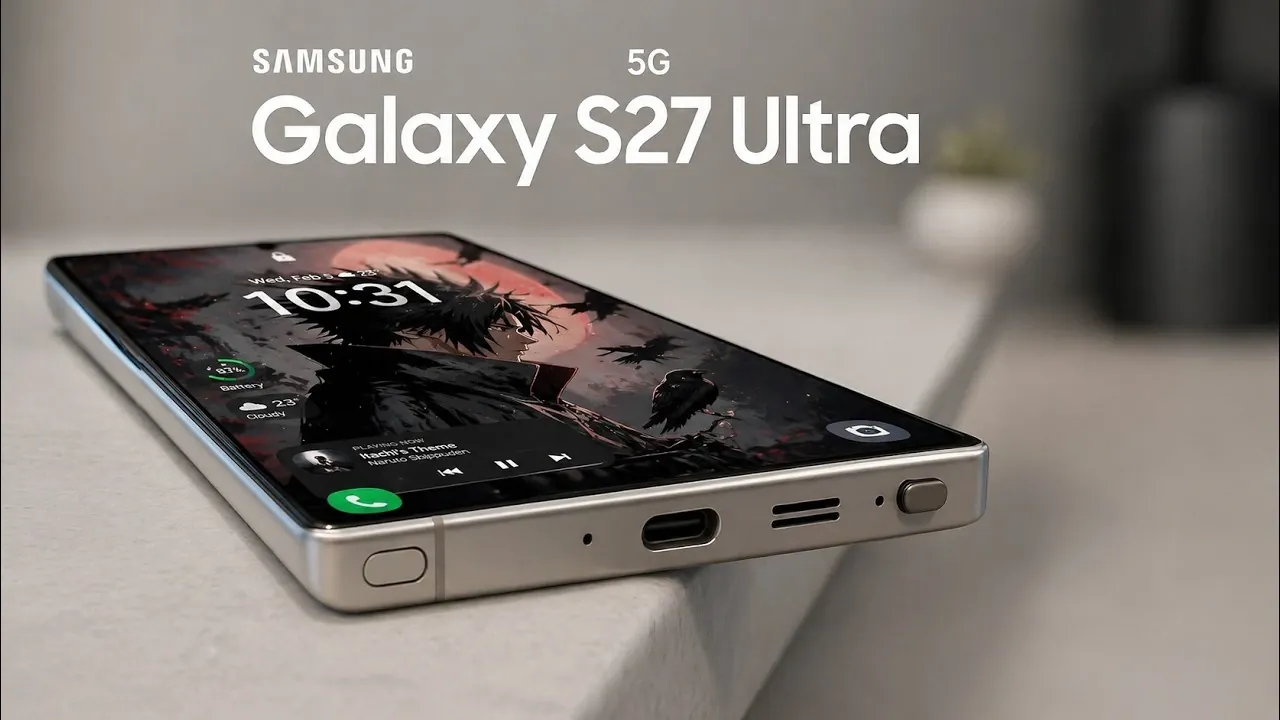
The Samsung Galaxy S27 Ultra is poised to make significant strides in smartphone display technology by addressing a critical issue: screen flicker. By introducing DC dimming, Samsung aims to enhance user comfort, particularly for individuals sensitive to the effects of Pulse Width Modulation (PWM) dimming. This innovation, combined with the integration of advanced OLED materials and the retention of features like the privacy display, underscores Samsung’s commitment to maintaining its position as a leader in the premium smartphone market.

DC Dimming: A Solution to Screen Flicker
DC dimming represents a pivotal advancement in display technology, offering a solution for users who experience eye strain, headaches, or fatigue caused by PWM dimming. Unlike PWM, which adjusts screen brightness by rapidly turning the display on and off, DC dimming works by directly modifying the power supplied to the display. This approach reduces flicker, resulting in a more stable and comfortable viewing experience.
However, implementing DC dimming is not without its complexities. It requires precise calibration to ensure that essential display attributes such as refresh rate, color accuracy and brightness consistency are not compromised. For Samsung, successfully integrating this feature into the Galaxy S27 Ultra could set a new standard for display comfort, particularly for users who prioritize eye health during prolonged screen use.
Advanced OLED Materials: Enhancing Performance
Samsung is taking another step forward by incorporating advanced OLED materials into its Galaxy S27 lineup. The Galaxy S27 Ultra and S27 Pro are expected to feature M16 OLED material, which offers significant improvements over the M14 Plus material likely used in the standard S27 and S27 Plus models.
The benefits of this upgrade include:
- Higher brightness levels for better visibility in various lighting conditions
- Improved energy efficiency, contributing to longer battery life
- Enhanced durability, making sure a longer display lifespan
These advancements reflect Samsung’s dedication to pushing the boundaries of display technology, providing users with a superior visual experience while addressing practical concerns such as energy consumption and longevity.
Privacy Display: Prioritizing Security
The Galaxy S27 Ultra is also expected to retain the privacy display feature, first introduced with the Galaxy S26 Ultra. This technology limits screen visibility from side angles, making sure that sensitive information remains private in crowded or public settings. While not a new addition, its continued inclusion highlights Samsung’s focus on user-centric features that prioritize both functionality and security.
This feature is particularly valuable for professionals and users who frequently handle confidential information, offering peace of mind without compromising the overall display quality.
Addressing Limitations
Despite its advancements, the Galaxy S27 Ultra is not without its limitations. One notable shortcoming is the lack of hardware-level 10-bit color support, a feature that some competitors have begun to offer with 12-bit color capabilities. This limitation could affect the device’s ability to deliver the most accurate and vibrant colors, particularly for professional users who rely on high color fidelity for tasks such as photo editing or graphic design.
However, this gap is not unique to Samsung. Many flagship devices, including those from Apple, also lack conventional DC dimming and hardware-level 10-bit color support. These challenges reflect broader industry constraints, as manufacturers strive to balance technical innovation with cost-effectiveness.
Strategic Innovation and Cost Management
Samsung’s strategy for balancing innovation with affordability is evident in its decision to reserve certain advanced technologies, such as M16 OLED material, for its higher-end models like the Galaxy S27 Ultra and S27 Pro. This approach allows Samsung to offer a diverse product lineup, catering to a wide range of consumer preferences and budgets.
By segmenting its offerings, Samsung ensures that premium features are available to those who prioritize innovative technology, while more cost-conscious consumers can still access reliable and high-quality devices. This strategy not only strengthens Samsung’s market position but also highlights its ability to adapt to varying consumer demands.
Progress in Display Technology
The Samsung Galaxy S27 Ultra represents a notable advancement in smartphone display technology. With the introduction of DC dimming, the integration of advanced OLED materials and the retention of the privacy display feature, Samsung is addressing key user concerns while enhancing the overall smartphone experience. These updates demonstrate the company’s commitment to innovation and user satisfaction.
However, the absence of hardware-level 10-bit color support and other high-end features reveals the ongoing challenges in achieving a truly comprehensive display solution. As the smartphone industry continues to evolve, the Galaxy S27 Ultra’s advancements signal meaningful progress, even as certain technological milestones remain on the horizon. Samsung’s ability to balance innovation with practicality ensures that it remains a key player in shaping the future of smartphone displays.
Here are more detailed guides and articles that you may find helpful on DC dimming.
Source & Image Credit: Demon’s Tech
Disclosure: Some of our articles include affiliate links. If you buy something through one of these links, Geeky Gadgets may earn an affiliate commission. Learn about our Disclosure Policy.
