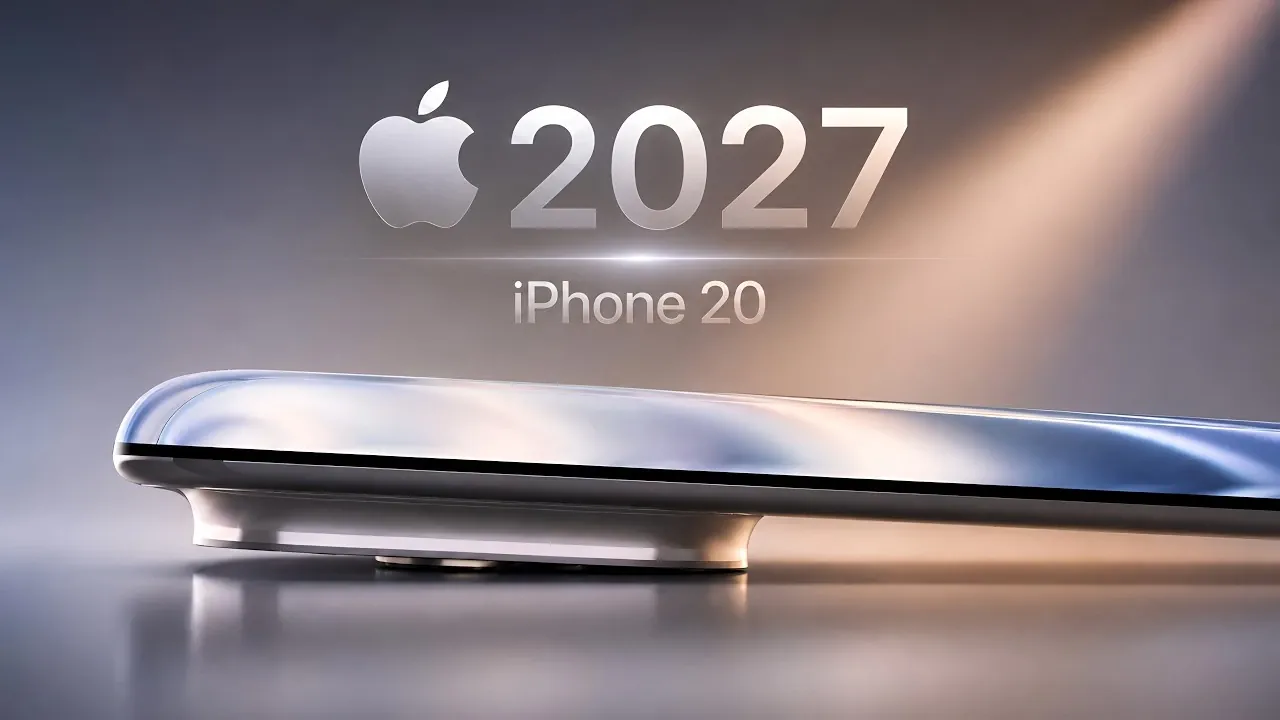
Apple’s highly anticipated iPhone 20, expected to launch in 2027 to commemorate the brand’s 20th anniversary, is rumored to introduce new advancements in both design and technology. While the iPhone 18 Pro brought incremental improvements, the iPhone 20 is shaping up to be a significant leap forward, potentially redefining the smartphone experience. Below is a detailed look at the most exciting changes expected in this milestone device.

Redesign: A Seamless Quad-Curved All-Glass Display
The iPhone 20 is rumored to feature a quad-curved all-glass display, offering a sleek, futuristic aesthetic. This design, reportedly developed in collaboration with Samsung, would ensure uniform curvature on all four edges, eliminating visible bezels entirely. Such a borderless design could deliver a more immersive viewing experience, setting a new benchmark for smartphone aesthetics. By seamlessly blending form and function, this innovation could redefine how users interact with their devices.
Display Enhancements: Brighter, Thinner and More Efficient
Apple may incorporate Samsung’s COE (Color Filter on Encapsulation) technology into the iPhone 20, allowing displays that are thinner, brighter and more energy-efficient. This advancement could significantly improve visibility in bright outdoor conditions while simultaneously extending battery life, two critical areas for users. If implemented, this would represent a notable improvement over current OLED technology, offering a more vibrant and efficient display experience.
Under-Display Face ID and Camera Innovations
The iPhone 20 could eliminate the Dynamic Island by embedding Face ID components beneath the display. This under-display Face ID system would create a cleaner, uninterrupted screen design, enhancing both aesthetics and usability. Additionally, Apple is reportedly exploring under-display camera technology, which could further contribute to the seamless design. However, the readiness of this technology by 2027 remains uncertain.
On the camera front, Apple may introduce a stacked image sensor with advanced “lafic” technology, which could significantly improve dynamic range and low-light photography. These enhancements would elevate the camera’s overall performance, catering to users who prioritize high-quality imaging.
Solid-State Buttons: A Durable and Tactile Redesign
Apple is testing solid-state buttons that use haptic feedback to simulate physical presses. These buttons would replace traditional mechanical components, offering several advantages, including enhanced durability and improved water resistance. With advanced haptic engines, Apple aims to replicate the tactile feel of physical buttons, making sure a seamless yet satisfying user experience. This redesign could also contribute to the device’s overall longevity by reducing wear and tear on mechanical parts.
Performance Upgrades: Next-Generation Processing Power
The iPhone 20 is expected to debut the second-generation 2-nanometer A21 Pro chip, delivering faster performance and improved energy efficiency. This processor could easily handle demanding tasks such as gaming, augmented reality and AI-driven applications. Additionally, Apple may incorporate vertically stacked DRAM or mobile high-bandwidth memory, allowing faster data processing and smoother multitasking. These advancements would ensure the iPhone 20 remains at the forefront of mobile performance.
Battery Technology: Silicon Anode for Extended Life
Battery life continues to be a top priority for smartphone users and the iPhone 20 could address this with silicon anode battery technology. By increasing energy density, these batteries could provide significantly longer usage times without increasing the physical size of the device. This innovation would be particularly beneficial for users who rely heavily on their smartphones for work, entertainment and communication throughout the day.
Larger Displays for Pro Models
Prototypes suggest that the iPhone 20 Pro and Pro Max models may feature larger displays, measuring 6.4 inches and 7 inches, respectively. These larger screens would cater to users seeking more space for productivity, entertainment and gaming. Combined with the quad-curved design, these displays could significantly enhance the overall user experience, making the Pro models particularly appealing to power users and content creators.
What to Consider Before Upgrading
For users currently using older iPhone models, the iPhone 18 Pro offers meaningful upgrades, such as improved performance and camera capabilities, while maintaining a familiar design. However, the iPhone 20’s rumored features could represent a substantial leap forward in both design and functionality. For those with newer devices, waiting for the iPhone 20 might be a more strategic choice, provided these innovations materialize as expected. It’s important to note that ambitious technologies often face delays, so balancing excitement with realistic expectations is essential.
The iPhone 20 promises to combine innovative design with advanced hardware, potentially setting new standards for the smartphone industry. From the quad-curved all-glass display to under-display Face ID and silicon anode batteries, Apple appears poised to celebrate its 20th anniversary with a flagship device that pushes the boundaries of mobile technology. Whether you choose to upgrade now or wait, the iPhone 20 is shaping up to be a device worth watching.
Unlock more potential in iPhone 20 redesign by reading previous articles we have written.
- iPhone 20th Anniversary: The Radical Redesign Revealed
- iPhone 20: Apple’s 20th Anniversary Redesign is NOT What You Expect!
- Should You Skip the iPhone 18 Pro? Why the iPhone 20 is Worth the Wait
- Why the iPhone 20 Will Look Completely Different Than Your Current Phone
- Overview: Apple May Have Just Killed Its Ambitious iPhone 20 Design
Source & Image Credit: Demon’s Tech
Disclosure: Some of our articles include affiliate links. If you buy something through one of these links, Geeky Gadgets may earn an affiliate commission. Learn about our Disclosure Policy.
