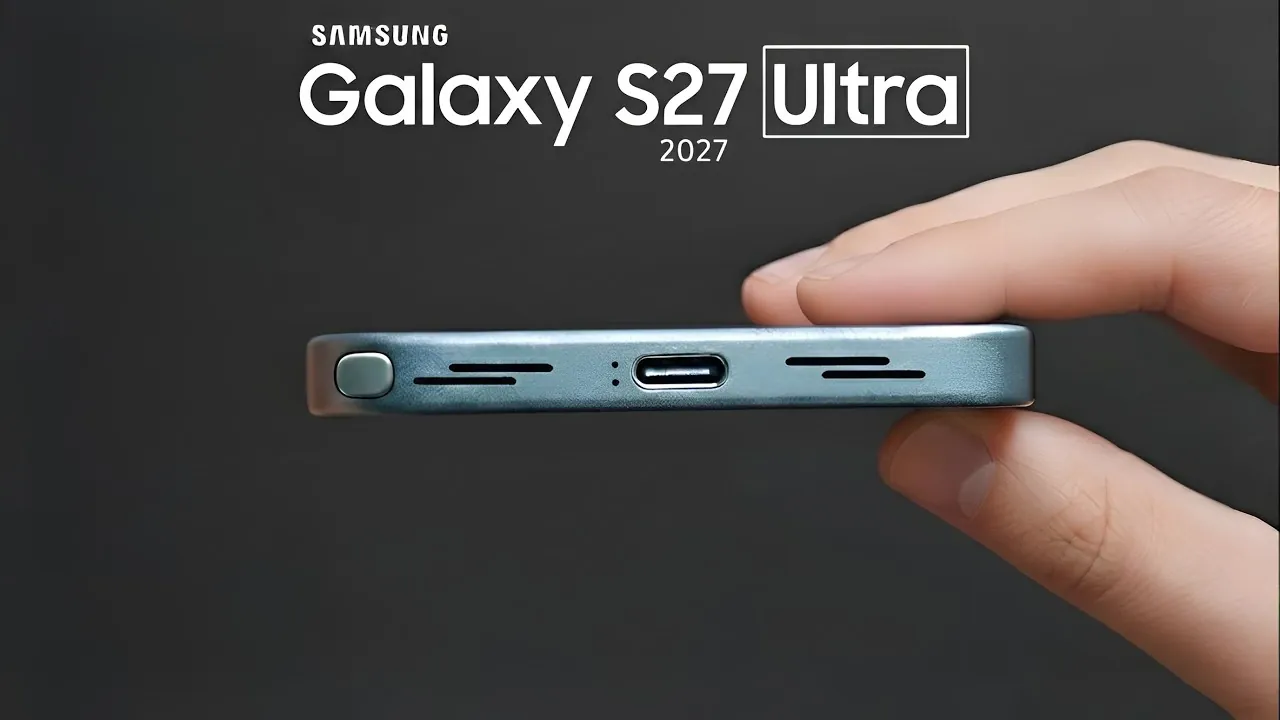
The Samsung Galaxy S27 Ultra could mark a pivotal moment in the evolution of flagship smartphones. Reports suggest that Samsung may prioritize its in-house Exynos 2700 processor over Qualcomm’s Snapdragon 8 Elite Gen 6 Pro for its latest premium device. If this strategic shift materializes, it has the potential to redefine performance standards and influence pricing strategies in the high-end smartphone market. Early performance data indicates that the Exynos 2700 may outperform its Snapdragon counterpart, but critical questions remain regarding thermal efficiency, battery life, and long-term reliability.

Exynos 2700 vs Snapdragon 8 Elite Gen 6 Pro: Performance Insights
Preliminary benchmarks suggest that the Exynos 2700 outpaces the Snapdragon 8 Elite Gen 6 Pro by an impressive 15-18% in raw performance. This performance boost could translate into tangible benefits for users, such as faster multitasking, smoother gaming experiences and enhanced handling of resource-intensive tasks like video editing and augmented reality applications. For consumers, this promises a more responsive and efficient smartphone experience.
However, raw performance metrics only tell part of the story. Real-world performance is influenced by factors such as sustained efficiency under heavy workloads, thermal management, and software optimization. These elements will ultimately determine whether the Exynos 2700 can consistently deliver on its promising early benchmarks. For users, this means that while the numbers are encouraging, the true test lies in how the processor performs in everyday scenarios.
Can Samsung Overcome Exynos’ Historical Challenges?
The Exynos line has historically faced criticism for issues such as overheating, battery inefficiency, and performance throttling. These shortcomings often left Exynos-powered devices lagging behind their Snapdragon-equipped counterparts in terms of user satisfaction and performance consistency. However, Samsung appears to have made significant strides with the Exynos 2600 and now aims to build on that progress with the 2700.
The Exynos 2700 is expected to incorporate advanced thermal management systems designed to mitigate overheating during prolonged use. Additionally, improvements in power optimization could lead to better battery life, addressing a key concern for users who demand all-day performance from their devices. If these enhancements prove effective in real-world conditions, they could significantly improve the reputation of Exynos processors and position Samsung as a stronger competitor in the processor market.
Cost Efficiency and Competitive Pricing
One of the most compelling advantages of adopting the Exynos 2700 lies in its potential to reduce production costs. Qualcomm’s flagship Snapdragon processors are rumored to cost over $300 per unit, a significant factor contributing to the rising prices of premium smartphones. By using its own processors, Samsung could lower production expenses and pass those savings on to consumers.
This strategic move also reduces Samsung’s reliance on Qualcomm, granting the company greater control over its supply chain and product development. For consumers, this could mean access to a flagship smartphone with premium features at a more competitive price point. However, the success of this approach hinges on the Exynos 2700 delivering performance that matches or exceeds that of its Snapdragon counterpart. If Samsung can achieve this balance, it could set a new standard for value in the premium smartphone segment.
Consumer Trust and Market Challenges
The success of the Galaxy S27 Ultra with the Exynos 2700 will depend heavily on its ability to meet consumer expectations. Key factors such as reliable battery life, effective thermal management, and consistent performance are non-negotiable for a flagship device. If Samsung can deliver on these fronts while maintaining competitive pricing, it could significantly alter consumer perceptions of Exynos processors.
However, skepticism remains a significant hurdle. Past Exynos models have left some users wary and overcoming this legacy will require more than just improved hardware. Samsung will need to demonstrate consistent real-world performance, supported by independent testing and positive user reviews, to rebuild trust and validate its claims. For consumers, this means keeping an eye on detailed performance analyses and user feedback before making a purchasing decision.
Real-World Testing: The Deciding Factor
While early benchmarks paint an optimistic picture for the Exynos 2700, real-world testing will ultimately determine its success. Key performance indicators such as multitasking efficiency, gaming performance, and thermal stability under heavy workloads will need to be rigorously evaluated. These tests will reveal whether the Exynos 2700 can truly compete with Qualcomm’s Snapdragon 8 Elite Gen 6 Pro in practical applications.
For consumers, this underscores the importance of waiting for comprehensive reviews before committing to a purchase. If Samsung can strike the right balance between power, efficiency, and affordability, the Galaxy S27 Ultra could emerge as a benchmark-setting device in the flagship smartphone market. Until then, the competition between Exynos and Snapdragon remains one of the most closely watched rivalries in mobile technology, with significant implications for the future of the industry.
Check out more relevant guides from our extensive collection on Galaxy S27 Ultra that you might find useful.
- Samsung Galaxy S27 Ultra Leaks: Why the 4-Camera Era Might Be Officially Over
- Samsung Galaxy S27 Ultra: First Look at the Biggest Changes Coming Next Year
- Major Design Change Leaks for the Samsung Galaxy S27 Ultra
- Samsung Galaxy S27 Ultra Release Date: When to Expect the Next Flagship
- Why the Galaxy S27 Ultra Could Be Samsung’s Best Phone in Years
- Inside the Galaxy S27 Ultra: Every Rumor, Leak, and Upgrade So Far
Source & Image Credit: Demon’s Tech
Disclosure: Some of our articles include affiliate links. If you buy something through one of these links, Geeky Gadgets may earn an affiliate commission. Learn about our Disclosure Policy.
