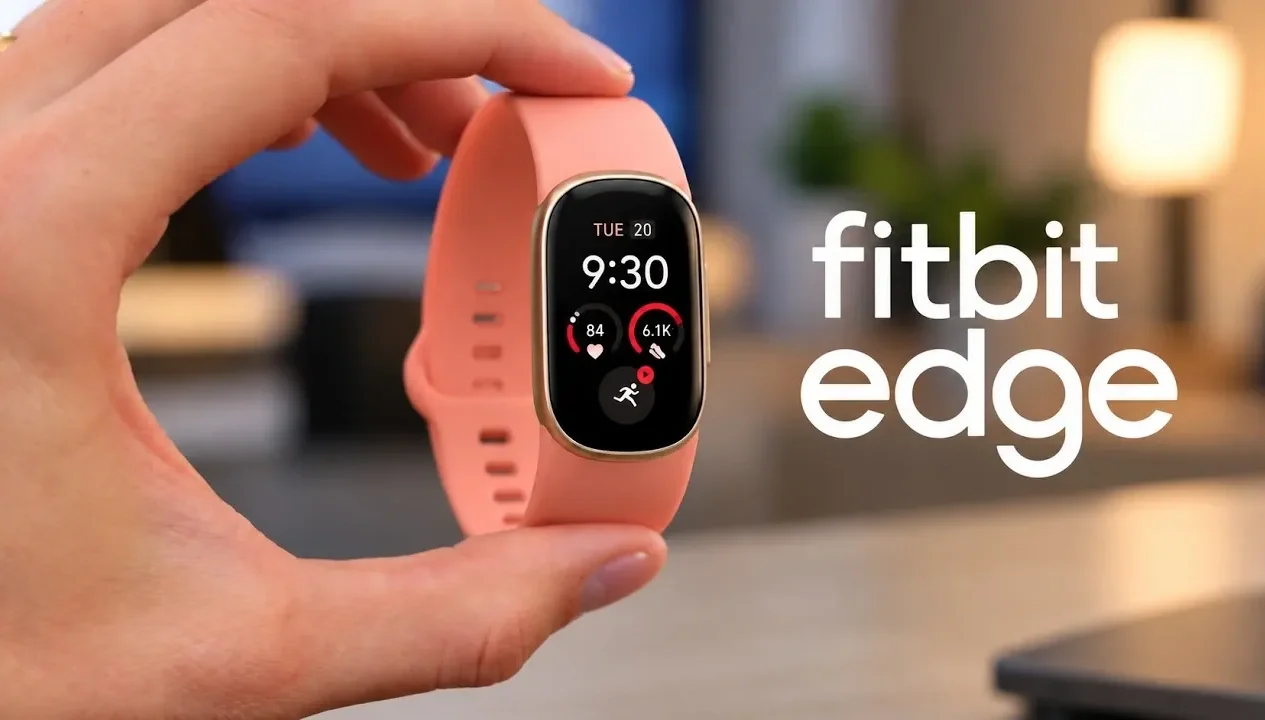
The Fitbit Edge, Google’s rumored new fitness tracker, has surfaced in recent leaks, hinting at a device positioned between the Fitbit Charge 6 and the Pixel Watch. According to TechAvid, the Edge is expected to feature a sleek design with three color options, black, green and orange, and a quick-release mechanism for interchangeable bands. These design elements suggest a focus on both personalization and practicality, aligning with Google’s broader strategy of integrating Fitbit into its health and technology ecosystem.
Dive into this breakdown to explore how the Fitbit Edge could reshape the mid-tier fitness tracker category. You’ll gain insight into its anticipated health tracking capabilities, such as enhanced ECG and EDA sensors for heart and stress monitoring, as well as its built-in GPS for outdoor activities. Additionally, learn how its software integration with the Google Health ecosystem might provide a more cohesive experience for users balancing fitness goals and everyday connectivity.
Positioning the Fitbit Edge in Google’s Wearable Ecosystem
TL;DR Key Takeaways :
- The Fitbit Edge is a mid-tier fitness tracker designed to bridge the gap between the Fitbit Charge 6 and the Pixel Watch, offering advanced features at an affordable price point.
- It features a sleek design with three color options (black, green and orange), a redesigned button layout, a built-in microphone and interchangeable bands for customization.
- Advanced health tracking capabilities include built-in GPS, automatic activity recognition, an altimeter and enhanced ECG and EDA sensors for heart and stress monitoring.
- The device integrates seamlessly with Android and iOS, supports notifications, app integration and deep compatibility with Google’s health ecosystem for a holistic user experience.
- Expected to launch soon, the Fitbit Edge offers up to seven days of battery life and a price range of $149 to $199, making it a strong contender in the fitness tracker market.
The Fitbit Edge is expected to occupy a unique position within Google’s wearable lineup. It aims to bridge the affordability of the Fitbit Charge series with the high-end functionality of the Pixel Watch. By doing so, Google appears to be targeting users who want more advanced features than those offered by entry-level fitness trackers but are not ready to invest in a full-fledged smartwatch.
This strategic positioning could also signal a shift in branding. Moving away from the “Charge” naming convention, the Fitbit Edge aligns more closely with Google’s broader health-focused ecosystem. By using Fitbit’s established reputation for fitness tracking and combining it with Google’s technological expertise, the Edge could serve as a unifying product that strengthens Google’s presence in the wearables market. This approach not only enhances brand identity but also ensures a seamless user experience across Google’s ecosystem of devices and services.
Design: Balancing Aesthetics and Practicality
The Fitbit Edge is rumored to feature a sleek, modern design that reflects Google’s commitment to both functionality and style. Available in three distinct colors, black, green and orange, the device is expected to complement the color palette of the Pixel 11 Pro, further reinforcing its connection to Google’s broader product lineup. This design strategy suggests a deliberate effort to create a cohesive visual identity across Google’s devices. Key design elements include:
- A redesigned button layout aimed at improving usability and enhancing the overall user experience.
- A built-in microphone, which could enable voice commands and integration with Google’s AI-powered services.
- A quick-release mechanism for interchangeable bands, allowing users to easily customize the device for various activities or personal preferences.
These thoughtful design choices indicate that Google is prioritizing both form and function, making the Fitbit Edge a versatile option for users who value both performance and style in their wearable devices.
Enhance your knowledge on fitness trackers by exploring a selection of articles and guides on the subject.
- Fitbit Air vs Garmin CIRQA: Tracking Accuracy Compared
- Garmin CIRQA vs Google Fitbit Air: Which Fitness Tracker Suits You Best?
- New Apple Watch Ultra 4 Leak Points to 3 Major Upgrades
- Fitbit Founders to Launch Screenless Luffu Link in Early 2027
- Apple’s Screenless Fabric Fitness Band May Launch In 2028
- Garmin CIRQA Armband Beats Whoop with Dual-Sided Velcro Fit
- Configure the £180 Garmin CIRQA for Use with No Subscription
- Garmin CIRQA Offers a Screenless $199 Alternative to Oura Ring
- WHOOP vs FitBit Air vs Garmin CIRQA vs Amazfit Helio
- Fitbit Air vs Garmin Cirqa vs Hume Band 2.0: Which One’s for You?
Advanced Health and Fitness Tracking Features
As a fitness tracker, the Fitbit Edge is expected to offer a comprehensive suite of health and fitness monitoring tools. These features are designed to provide users with deeper insights into their physical well-being, catering to both fitness enthusiasts and individuals seeking to improve their overall health. Anticipated health and fitness tracking capabilities include:
- Built-in GPS for accurate tracking of outdoor activities such as running, cycling and hiking.
- Automatic activity recognition, allowing seamless logging of workouts without manual input.
- An altimeter to measure elevation changes, making it ideal for activities like hiking or stair climbing.
- Enhanced ECG (electrocardiogram) and EDA (electrodermal activity) sensors for more precise monitoring of heart health and stress levels.
These advanced tools could make the Fitbit Edge a valuable companion for users aiming to achieve specific fitness goals or maintain a healthier lifestyle. By combining these features with Fitbit’s proven expertise in health tracking, the Edge is poised to deliver a well-rounded experience.
Software Integration and Ecosystem Compatibility
The Fitbit Edge is expected to integrate seamlessly with both Android and iOS devices, making sure broad compatibility for a wide range of users. This cross-platform functionality is likely to enhance the device’s appeal, making it accessible to a diverse audience.
Key software features may include:
- Notifications and app integration, allowing users to stay connected without needing to check their smartphones constantly.
- Potential for expanded app support, which could increase the device’s versatility and usefulness over time.
- Deep integration into the Google Health ecosystem, allowing users to combine fitness tracking data with other health-related services for a more holistic view of their well-being.
By embedding the Fitbit Edge into its ecosystem, Google aims to create a more cohesive and user-friendly experience. This approach not only simplifies health management but also enhances the overall value of the device by using Google’s broader technological capabilities.
Battery Life and Pricing: Striking the Right Balance
Battery life is a critical consideration for any fitness tracker and the Fitbit Edge is rumored to deliver up to seven days of usage on a single charge. This matches the performance of the Fitbit Charge 6, making sure that users can focus on their fitness goals without frequent interruptions for recharging.
In terms of pricing, the Fitbit Edge is expected to fall within the $149 to $199 range. This price point positions it as an attractive option for users seeking advanced features without the higher cost of a smartwatch. By offering a compelling mix of performance, design and affordability, the Fitbit Edge could appeal to a broad spectrum of users, from fitness enthusiasts to casual users.
Anticipated Launch and Market Impact
The Fitbit Edge is expected to launch soon, potentially within the month. This timing aligns with Google’s broader strategy to expand its wearable offerings and capitalize on the growing demand for health-focused technology. If the leaks are accurate, the Fitbit Edge could attract a wide range of users, from dedicated athletes to individuals seeking a reliable and stylish health tracker.
As the official launch approaches, the Fitbit Edge is poised to make a significant impact on the fitness tracker market. By combining Fitbit’s expertise in health tracking with Google’s technological advancements, the Edge could redefine expectations for mid-tier fitness trackers. Whether you’re looking to enhance your fitness routine or simply monitor your overall health, the Fitbit Edge promises to deliver a compelling mix of features, design and value.
Media Credit: TechAvid
Disclosure: Some of our articles include affiliate links. If you buy something through one of these links, Geeky Gadgets may earn an affiliate commission. Learn about our Disclosure Policy.
