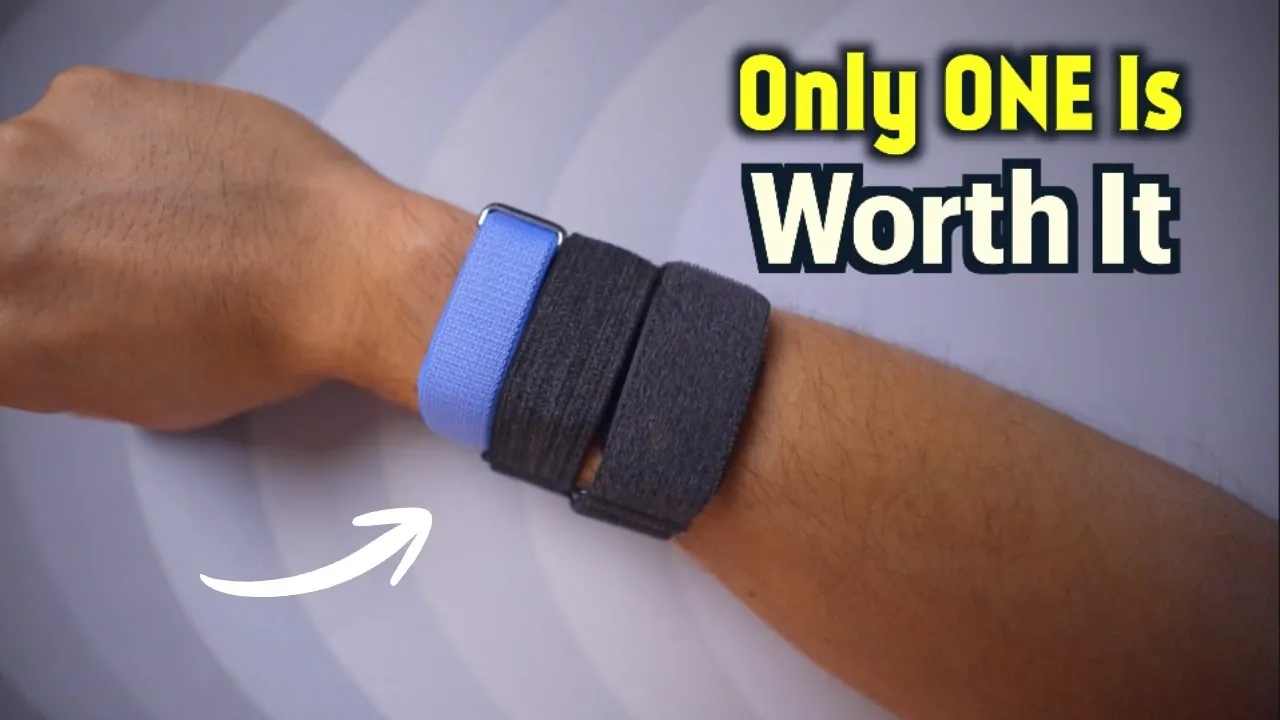
Fitness trackers have become essential companions for monitoring health and achieving fitness goals, but finding the right one can be a challenge. In this Q&A, HelloChen explores three popular screenless options, Fitbit Air, Garmin Circa and Hume Band 2.0, breaking down their design, features and overall usability. For instance, the Fitbit Air stands out with its compact, minimalist design and reliable 7-day battery life, but its fabric material may not suit everyone, particularly in humid conditions. By examining these devices side by side, this guide aims to clarify which tracker best aligns with different user needs.
Dive into this comparison to gain a clearer understanding of how these trackers perform in key areas like battery longevity, app functionality and advanced fitness metrics. You’ll discover how Garmin Circa caters to athletes with detailed training insights, why Fitbit Air excels in simplicity and affordability and where Hume Band 2.0 falls short despite its promising features. Whether you’re prioritizing comfort, data accuracy, or cross-platform compatibility, this breakdown provides the insights you need to make an informed decision.
Fitbit vs Garmin vs Hume
TL;DR Key Takeaways :
- The Fitbit Air is a compact, affordable option ($100) with reliable basic tracking, third-party app integration and a user-friendly app, making it ideal for casual users.
- The Garmin Circa, priced at $200, offers advanced training metrics, a comprehensive app experience and a comfortable design, making it the best choice for serious athletes.
- The Hume Band 2.0, at $250, struggles with inconsistent performance, limited app functionality and no third-party integration, making it a poor value compared to competitors.
- Battery life varies significantly: Fitbit Air offers 7 days with quick charging, Garmin Circa provides 10 days with efficient charging and Hume Band 2.0 advertises 14 days but underdelivers with active use.
- Activity and sleep tracking accuracy is strongest with Garmin Circa, while Fitbit Air is reliable for basic tracking and Hume Band 2.0 suffers from inconsistent results across metrics.
Design and Comfort
The design and comfort of a fitness tracker play a significant role in its usability, especially for prolonged wear. While all three devices are screenless and rely on companion apps for data visualization, their physical builds vary:
- Fitbit Air: The smallest and lightest option, it features a compact design that appeals to minimalists. However, its fabric material can cause irritation during extended wear, particularly in humid conditions.
- Garmin Circa: The largest of the three, it features a silky, stretchy band that prioritizes comfort. Its ergonomic design makes it ideal for users who wear their tracker throughout the day and night.
- Hume Band 2.0: With a mid-sized build, it uses a material similar to the Circa but lacks the same level of refinement. The design feels less polished and its fit may not be as secure or comfortable for all users.
Battery Life and Charging
Battery life is a critical factor for fitness trackers, especially for users who prefer minimal charging interruptions. Here’s how the three devices compare:
- Fitbit Air: Delivers a reliable 7-day battery life, complemented by a quick-charge feature that provides a full day of use in just five minutes. This makes it a convenient choice for users with busy schedules.
- Garmin Circa: Offers a balanced 10-day battery life with a 90-minute full charge time. Its longevity and efficient charging make it suitable for extended use, particularly for athletes.
- Hume Band 2.0: Advertises an impressive 14-day battery life, but active use significantly reduces this figure. The inconsistency in battery performance may frustrate users who rely on accurate tracking over long periods.

Check out more relevant guides from our extensive collection on fitness trackers that you might find useful.
- Leaked Apple Watch Air Points to a Permanent Series Shift
- Garmin CIRQA Offers a Screenless $199 Alternative to Oura Ring
- Google and WHOOP Should Be Worried About Apple’s Rumored ‘Watch Air’
- Garmin CIRQA vs WHOOP 5.0: Which Fitness Tracker Should You Buy?
- Screenless Garmin CIRQA for Unobtrusive Fitness Tracking with a $199 Price Tag
- Google Fitbit Air: Why a Screenless Tracker is the Perfect Smartwatch Antidote
- £180 Garmin CIRQA Smart Band Requires No Subscription
- Garmin CIRQA vs Fitbit Air: $200 Premium Beats $100 Value
- Optional Garmin Connect Plus Adds AI Insights to Garmin CIRQA
- Apple Watch Ultra 4 Leak Reveals Huge Upgrades
Features and Metrics
Each tracker is designed to cater to specific user needs, offering unique features and metrics:
- Fitbit Air: Includes a weekly cardio load score and supports third-party app integration, making it a versatile option for casual fitness enthusiasts. Its focus on simplicity and ease of use appeals to those new to fitness tracking.
- Garmin Circa: Excels in advanced training metrics, such as fitness age, lactate threshold and heart rate broadcasting. The addition of a manual activity tracking button enhances its functionality for athletes seeking precise control.
- Hume Band 2.0: Introduces a metabolic capacity score and weekly health reports. However, these features often lack consistency, undermining their reliability and overall usefulness.
App Experience
The companion app is a vital component of any fitness tracker, as it determines how users interact with and interpret their data:
- Fitbit Air: Offers a straightforward, user-friendly app that simplifies health monitoring. However, it lacks the advanced metrics and detailed insights required by serious athletes.
- Garmin Circa: Features the robust Garmin Connect app, which provides detailed insights tailored to athletes. With acclimation stats, training load analysis and other advanced features, it stands out as the most comprehensive app experience.
- Hume Band 2.0: The app remains in beta, with limited functionality and imprecise data. This significantly diminishes its effectiveness and appeal, especially for users seeking reliable tracking and insights.
Activity and Sleep Tracking
Accurate activity and sleep tracking are essential for monitoring progress and achieving fitness goals. Here’s how the devices perform:
- Fitbit Air: Provides reliable basic activity and sleep tracking, making it a solid choice for casual users. However, it lacks the advanced features and precision required by athletes.
- Garmin Circa: Offers the most detailed activity tracking, including metrics like VO2 max and training status. However, its reliance on phone GPS can occasionally result in minor inaccuracies.
- Hume Band 2.0: Struggles with calorie burn, heart rate and step tracking, often delivering inconsistent results. This undermines its credibility as a reliable fitness tracker.
Third-Party App Integration
Compatibility with third-party apps can significantly enhance the functionality of a fitness tracker:
- Fitbit Air: Seamlessly integrates with popular apps like Bevel and Liberty, expanding its versatility and appeal for users who want to sync their data across platforms.
- Garmin Circa: Also supports third-party apps, making it a flexible choice for users who value cross-platform compatibility and advanced data analysis.
- Hume Band 2.0: Lacks third-party app support, limiting its functionality and appeal for users who rely on external platforms for data management.
Price and Value
Price is often a deciding factor when choosing a fitness tracker. Here’s how the three devices compare in terms of cost and value:
- Fitbit Air: Priced at $100, it offers excellent value for casual users seeking a reliable and affordable tracker. Its simplicity and third-party app integration make it a strong contender in its price range.
- Garmin Circa: At $200, it justifies its higher price with advanced features, athlete-focused metrics and a comprehensive app experience. Its durability and comfort further enhance its value.
- Hume Band 2.0: The most expensive option at $250, it fails to deliver value due to its inconsistent performance, limited app functionality and lack of third-party integration.
Final Recommendations
Selecting the right fitness tracker ultimately depends on your individual needs and priorities:
- Fitbit Air: Best suited for casual users who prioritize affordability and simplicity. Its reliable tracking and third-party app integration make it an excellent choice for everyday health monitoring.
- Garmin Circa: Ideal for serious athletes who require advanced training metrics and a comprehensive app experience. Its comfortable design and balanced battery life make it a standout option for fitness enthusiasts.
- Hume Band 2.0: Not recommended due to its inconsistent performance, limited app functionality and lack of third-party integration. At its price point, other options offer significantly better value and reliability.
By understanding the strengths and weaknesses of each device, you can confidently choose the fitness tracker that aligns with your lifestyle and supports your health and fitness journey.
Media Credit: HelloChen
Disclosure: Some of our articles include affiliate links. If you buy something through one of these links, Geeky Gadgets may earn an affiliate commission. Learn about our Disclosure Policy.
