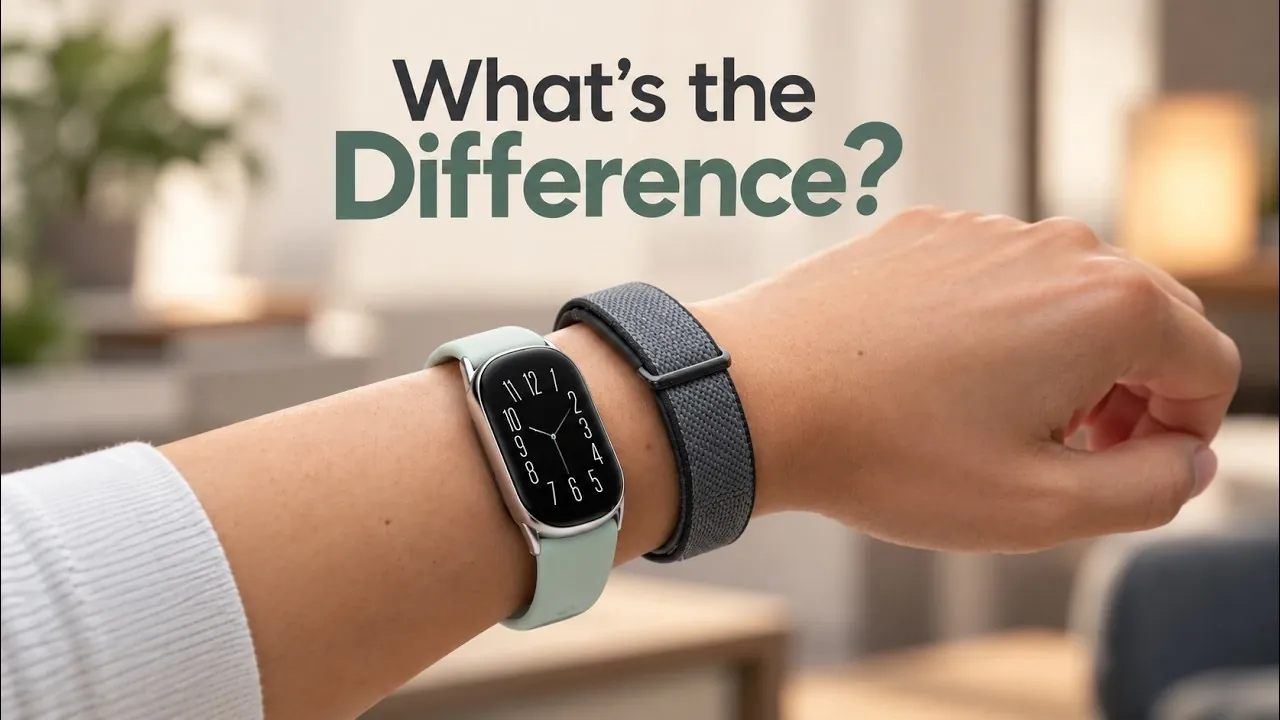
The Fitbit Air and Fitbit Edge are two distinct fitness trackers designed for different needs, as outlined by TechAvid. The Fitbit Air prioritizes minimalism, featuring a screen-free design that tracks essentials like heart rate and sleep patterns, relying heavily on smartphone connectivity for detailed insights. The Fitbit Edge, on the other hand, includes an on-wrist display for real-time stats, built-in GPS for location tracking and additional features like notifications, making it a more comprehensive option for active users.
Dive into the specifics to understand how these devices compare in functionality and design. Learn about the Fitbit Air’s dependence on external devices versus the Edge’s standalone GPS performance. Discover how their health tracking capabilities vary, from basic metrics to advanced features like ECG monitoring. This breakdown also covers battery life, pricing and repairability to help you make an informed choice.
Minimalism vs On-Wrist Accessibility
TL;DR Key Takeaways :
- The Fitbit Air is a minimalist, screen-free fitness tracker focused on essential health monitoring, while the Fitbit Edge offers advanced features like a built-in display, GPS and enhanced connectivity.
- The Fitbit Edge includes built-in GPS with support for multiple satellite systems, providing precise location tracking, whereas the Fitbit Air relies on smartphone GPS, which may limit accuracy and convenience.
- Both devices track core health metrics like heart rate, sleep and blood oxygen levels, but the Fitbit Edge adds advanced tools such as an ECG app and skin temperature monitoring for detailed health insights.
- The Fitbit Edge offers additional functionalities like on-wrist notifications, Google Maps integration and music controls, making it ideal for connected, active users, while the Fitbit Air focuses on simplicity and distraction-free tracking.
- Priced at $99.99, the Fitbit Air is a budget-friendly option for casual users, whereas the $179.99 Fitbit Edge caters to those seeking advanced features and a more robust fitness tracking experience.
One of the most noticeable differences between the Fitbit Air and Fitbit Edge is the presence of a display. The Fitbit Air is designed without a screen, emphasizing simplicity and relying on your smartphone for detailed insights. This approach appeals to users who prefer distraction-free health tracking and a lightweight, unobtrusive device.
On the other hand, the Fitbit Edge features an on-wrist display, allowing users to view workout stats, notifications and health data directly on the device. This makes it an excellent choice for individuals who want immediate access to information without needing to check their phones. The display also enhances usability during workouts, allowing users to stay informed without interrupting their activities.
GPS Capabilities: Smartphone-Dependent vs Built-In Precision
For outdoor enthusiasts, GPS functionality is a critical consideration. The Fitbit Air relies on your smartphone’s GPS to track distance and routes, which may be limiting for users who prefer to leave their phones behind during workouts. This dependency can also affect accuracy in areas with poor smartphone connectivity.
In contrast, the Fitbit Edge includes built-in GPS and supports five satellite systems, GPS, Galileo, GLONASS, Beidou and QZSS. This ensures precise location tracking, even in remote areas or locations with weak connectivity. The Edge is particularly well-suited for runners, cyclists and hikers who require reliable navigation and detailed route mapping.

Here are more detailed guides and articles that you may find helpful on fitness trackers.
- Garmin CIRQA vs Google Fitbit Air: Which Fitness Tracker Suits You Best?
- Fitbit Air vs Garmin CIRQA: Tracking Accuracy Compared
- WHOOP vs FitBit Air vs Garmin CIRQA vs Amazfit Helio
- Likely Google Fitbit Charge 7 Leak Reveals GNSS Tracking
- How Amazfit’s AI Coaching and Bio Charge Score Optimize Your Rest Days
- Garmin CIRQA Accuracy Tested Against Whoop and Fitbit
- Garmin CIRQA vs Fitbit Air: $200 Premium Beats $100 Value
- Fitbit Air vs Garmin Cirqa vs Hume Band 2.0: Which One’s for You?
- The Best Fitbit Air Features You Probably Aren’t Using Yet
- Google Health Adds Two-Way Apple Health Sync for Fitbit Air
Health Monitoring: Core Metrics vs Advanced Insights
Both devices excel in health tracking but differ in the depth of their capabilities. The Fitbit Air and Fitbit Edge share several essential features, including:
- Continuous heart rate monitoring
- Sleep tracking
- Blood oxygen level measurement
- Atrial fibrillation alerts
However, the Fitbit Edge offers additional tools for users seeking comprehensive health insights. These include:
- An ECG app for heart rhythm analysis
- A skin temperature sensor to monitor body temperature fluctuations
These advanced features make the Edge a better fit for individuals who prioritize detailed health data and proactive wellness management. For users who only need basic health metrics, the Fitbit Air provides a streamlined and effective solution.
Additional Functionalities: Focused Simplicity vs Enhanced Connectivity
The Fitbit Edge goes beyond health tracking by offering a range of connected features designed to enhance convenience and usability. These include:
- On-wrist notifications for calls, texts and app alerts
- Google Maps integration for navigation
- Music controls for managing playlists during workouts
- Weather updates for planning outdoor activities
These tools make the Edge an excellent choice for users who want to stay connected and informed throughout their day. In contrast, the Fitbit Air focuses solely on health monitoring, making it a simpler, distraction-free option for users who prefer a minimalist experience.
Battery Life and Charging: Reliable Performance
Both the Fitbit Air and Fitbit Edge offer up to seven days of battery life, making sure consistent performance throughout the week. Additionally, both devices support fast charging, providing up to a day of use with just five minutes of charging.
However, the Fitbit Edge’s always-on display can impact battery life depending on usage. Users who prioritize extended battery performance may need to adjust display settings or charging habits to maximize longevity. The Fitbit Air, with its screen-free design, maintains its battery life more consistently, making it a dependable choice for users who value simplicity and efficiency.
Repairability and Sustainability: Longevity Considerations
The Fitbit Edge incorporates a modular design with a replaceable battery, which extends its lifespan and aligns with sustainable practices. This repair-friendly approach appeals to users who prioritize long-term use and environmental impact.
In contrast, the Fitbit Air lacks a modular design, which may limit its repairability over time. While this may not be a concern for users seeking a budget-friendly, short-term solution, those who value sustainability may find the Edge’s design more appealing.
Price and Target Audience: Affordability vs Advanced Features
Price is a significant factor when comparing the Fitbit Air and Fitbit Edge.
- The Fitbit Air is priced at $99.99, making it an affordable option for users seeking a basic health tracker.
- The Fitbit Edge costs $179.99, reflecting its advanced features and enhanced functionality.
The Fitbit Air is ideal for individuals who value simplicity and affordability, such as casual users or those new to fitness tracking. In contrast, the Fitbit Edge caters to active users who need GPS, advanced health tools, and on-wrist convenience for a more connected experience.
Choosing the Right Fitbit for Your Needs
Selecting between the Fitbit Air and Fitbit Edge depends on your personal preferences and priorities. If you’re looking for a straightforward, budget-friendly tracker focused on essential health monitoring, the Fitbit Air is a practical choice. Its minimalist design and affordable price make it an excellent option for users who prefer simplicity.
However, if you require advanced features like built-in GPS, an on-wrist display for real-time data and comprehensive health tools, the Fitbit Edge offers a more robust solution. Its additional functionalities and connected features make it a versatile device for active users and those who want to stay informed and engaged throughout their day.
Both devices deliver reliable health tracking, making sure there’s an option tailored to every user’s lifestyle. Whether you prioritize minimalism or advanced functionality, Fitbit provides a tracker designed to meet your unique needs.
Media Credit: TechAvid
Disclosure: Some of our articles include affiliate links. If you buy something through one of these links, Geeky Gadgets may earn an affiliate commission. Learn about our Disclosure Policy.
