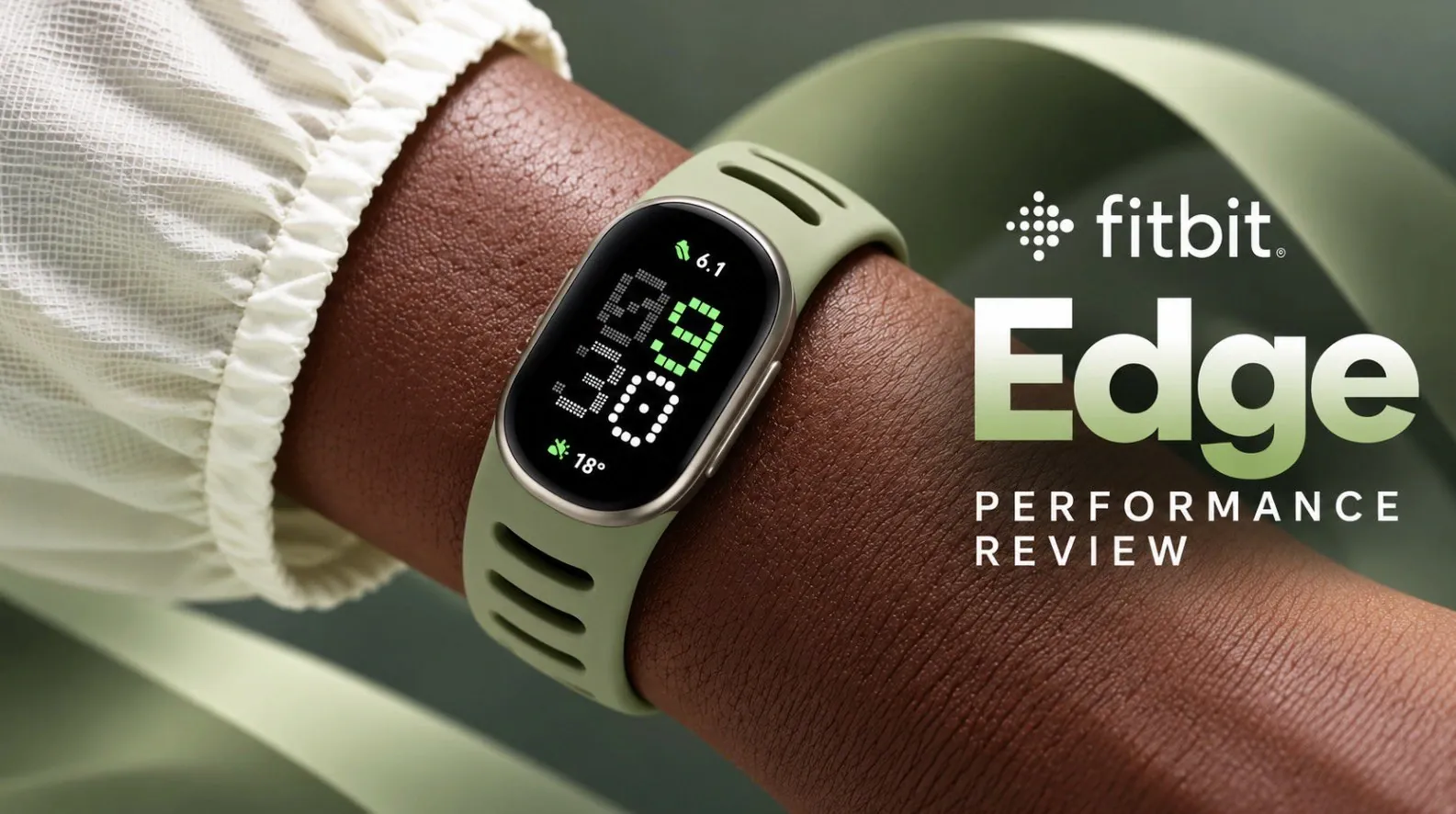
The Fitbit Edge positions itself as a mid-tier fitness tracker, offering a balance of features for users who want more than basic functionality without the cost of a premium smartwatch. Priced at $180, it includes standout features like built-in GPS, ECG functionality, and a 7-day battery life, making it a versatile option for tracking health and fitness metrics. In this hands-on review, The Quantified Scientist evaluates its performance across key areas, such as heart rate monitoring during various activities and the accuracy of its advanced health metrics like sleep tracking and recovery insights.
Explore how the Fitbit Edge performs in real-world scenarios, from its ability to track elevation changes with its altimeter to its reliability in step counting during different types of movement. You’ll also gain insight into its strengths in sleep tracking, including detailed breakdowns of sleep stages and learn where it falls short, such as occasional inaccuracies in GPS tracking or heart rate monitoring during high-intensity activities. By the end of this breakdown, you’ll have a clear understanding of whether the Fitbit Edge aligns with your fitness priorities and daily needs.
Google Fitbit Edge Launches
TL;DR Key Takeaways :
- The Fitbit Edge is a mid-tier fitness tracker priced at $180, offering features like built-in GPS, ECG functionality, skin temperature sensing and a 7-day battery life, bridging the gap between basic trackers and premium smartwatches.
- It excels in sleep tracking and recovery metrics, providing detailed insights into sleep stages and heart rate variability, making it ideal for users focused on improving sleep quality.
- Fitness tracking performance is reliable for steady-state activities, but accuracy may vary during running or weightlifting due to cadence lock and rapid arm movements.
- Compared to the Fitbit Air, the Edge offers significant upgrades like an integrated screen, ECG functionality and additional sensors, but at nearly double the price.
- The Fitbit Edge is best suited for users seeking a balance between advanced features and affordability, though its value depends on individual fitness priorities and preferences.
The Fitbit Edge stands out with its compact design and integrated screen, a significant improvement over the screenless Fitbit Air. Its key features include:
- Built-in GPS for tracking outdoor activities
- Altimeter for monitoring elevation changes
- ECG functionality to provide heart health insights
- Skin temperature sensor for additional health metrics
- 7-day battery life for extended usability
These features enhance its usability, particularly for users who want more advanced tracking capabilities. However, the $180 price tag, nearly double that of the Fitbit Air, raises the question of whether the additional functionality justifies the cost. The design is sleek and lightweight, making it comfortable for all-day wear, but it may not appeal to users seeking a more premium aesthetic.
Performance in Fitness Tracking
The Fitbit Edge offers reliable performance across various fitness metrics, but its accuracy can vary depending on the activity.
- Heart Rate Monitoring: The device performs well during steady-state activities like indoor cycling and outdoor biking. However, it struggles with cadence lock during running, where it may confuse steps with heartbeats. Similarly, rapid arm movements during weightlifting can interfere with accuracy.
- Step Counting: Step counting is a strong point for the Fitbit Edge. It demonstrates high accuracy during walking and running tests, with minimal false positives during non-walking activities like cycling or weightlifting. This makes it a dependable choice for tracking daily activity levels.
- GPS Tracking: The built-in GPS is functional but not flawless. It works adequately for casual runners or users who rely on their phone for GPS, but occasional signal loss or deviations may frustrate serious athletes who require precise outdoor tracking.
While the Fitbit Edge offers a range of fitness tracking features, its performance in specific scenarios highlights the importance of understanding your own fitness needs before making a purchase.

Below are more guides on Fitbit Edge from our extensive range of articles.
- Fitbit Edge vs Fitbit Air: Trades Lightweight Design for GPS
- Leaked Fitbit Edge Bridges Fitbit Charge 6 and Pixel Watch
- Fitbit Edge Beats Fitbit Charge 6 with 46% Larger OLED Display
- Always-on Display Drops Fitbit Edge Battery Life to 2 Days
- Fitbit Edge Replaces the Charge 6 with a 46% Larger Display
- Google Fitbit Edge Launches October 27 For $179.99
- Fitbit Edge Beats Google Fitbit Air with Built-in GPS and an ECG
Advanced Health Metrics
The Fitbit Edge excels in providing detailed health insights, particularly in sleep tracking and recovery metrics.
- Sleep Tracking: Sleep tracking is one of the device’s standout features. It provides detailed insights into sleep stages, including deep sleep, light sleep and REM sleep. While it occasionally overestimates REM sleep, its overall performance is reliable, making it a valuable tool for users seeking to improve their sleep quality.
- Night Metrics: During sleep, the Fitbit Edge tracks heart rate and heart rate variability (HRV) with consistency. These metrics offer insights into recovery and stress levels, helping users better understand their overall health. Minor deviations in HRV measurements may occur, but the patterns are generally dependable.
These advanced health metrics make the Fitbit Edge a strong contender for users who prioritize sleep and recovery tracking as part of their fitness journey.
Comparison with the Fitbit Air
When compared to the Fitbit Air, the Fitbit Edge offers several notable upgrades:
- An integrated screen for on-the-go data visibility
- ECG functionality for heart health monitoring
- Additional sensors like the skin temperature sensor
However, the Edge lacks the Air’s biceps-wearing option, which enhances accuracy for certain activities. This makes the Edge better suited for users who prioritize convenience and screen functionality, while the Air may appeal to those seeking maximum precision at a lower cost. The $80 price difference between the two devices highlights the trade-off between added features and affordability.
Is the Fitbit Edge Right for You?
At $180, the Fitbit Edge strikes a balance between affordability and functionality, making it a versatile option for a wide range of users. However, its value depends on your specific needs and priorities.
- If you value an integrated screen and additional features like ECG functionality, the Fitbit Edge is a strong contender.
- If you prioritize accuracy in heart rate monitoring or require advanced GPS tracking, you may need to explore other options.
- For users who are primarily focused on affordability and basic fitness tracking, the Fitbit Air may be a more suitable choice.
Ultimately, the Fitbit Edge is designed for those seeking a middle ground between convenience and performance. Its compact design, robust sleep tracking and advanced health metrics make it a solid choice for many, but its higher price point and occasional performance limitations may not suit everyone. Carefully consider your fitness goals and preferences to determine if the Fitbit Edge aligns with your needs.
Media Credit: The Quantified Scientist
Disclosure: Some of our articles include affiliate links. If you buy something through one of these links, Geeky Gadgets may earn an affiliate commission. Learn about our Disclosure Policy.
