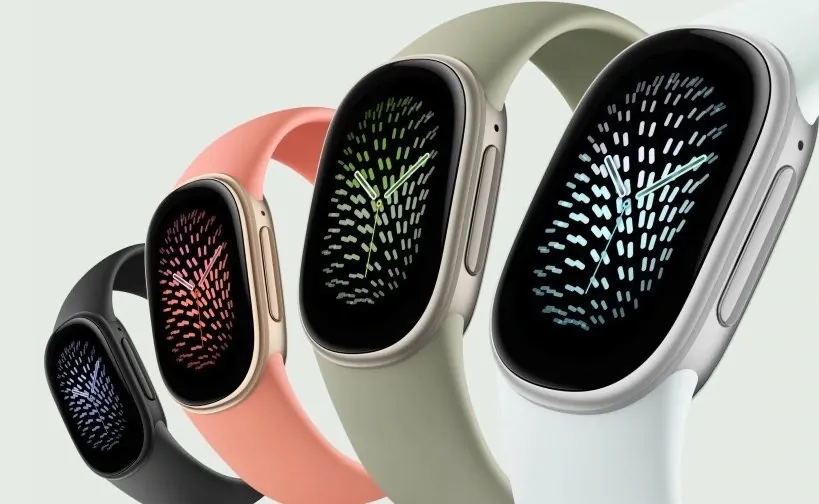
The Fitbit Edge is a fitness tracker positioned between entry-level devices and feature-rich smartwatches. Priced at $180, it includes a high-resolution screen, built-in GPS, and advanced health sensors such as ECG monitoring and skin temperature tracking. According to The Quantified Scientist, the device also features a replaceable battery, which is uncommon in this category and highlights a focus on sustainability. However, its bulkier design and higher cost may not appeal to users who prioritize wearability or budget-friendly options.
Discover how the Fitbit Edge handles live workout metrics and integrates with the Google ecosystem, while also considering its lack of NFC support and offline music storage. Gain insight into the trade-offs between its advanced features and practical limitations to better evaluate its fit for your fitness and lifestyle preferences.
Key Features and Upgrades
- The Fitbit Edge, priced at $180, bridges basic fitness trackers and smartwatches with features like a high-resolution screen, built-in GPS, ECG monitoring and skin temperature tracking.
- It introduces a replaceable battery, promoting sustainability and extending device lifespan, while maintaining a 7-day battery life.
- Advanced health tracking includes over 40 exercise modes, elevation tracking, continuous heart rate monitoring and integration with Google Health Guardian for long-term wellness insights.
- Seamless integration with the Google ecosystem offers compatibility with Google Health Premium, phone notifications, music control and future turn-by-turn navigation updates.
- Key trade-offs include no NFC for contactless payments, lack of offline music storage, bulkier design and a higher price point compared to its predecessor, the Fitbit Air.
The Fitbit Edge distinguishes itself with several notable enhancements that elevate its utility for fitness enthusiasts and casual users alike:
- A high-resolution screen for real-time access to workout metrics, navigation and notifications.
- Built-in GPS for precise route tracking without relying on a smartphone.
- Advanced health sensors, including ECG monitoring for heart health and skin temperature tracking for wellness insights.
- Support for live workout metrics, visual coaching, and on-device music control to streamline fitness routines.
These features make the Edge a versatile tool, offering significantly more than its predecessor, the Fitbit Air. It caters to users who want deeper insights into their health and fitness without committing to a premium smartwatch.
Design and Wearability
The Fitbit Edge features a sleek yet functional design, but its bulkier frame compared to the Fitbit Air may limit its wearability for some users. This added size could pose challenges for those who prefer alternative placements, such as the biceps, potentially affecting heart rate accuracy during workouts. However, the device compensates with customizable bands available in various colors and materials, including a special Stephen Curry edition for fans of the basketball star.
While the design offers a modern aesthetic, it may not suit everyone, particularly users who prioritize lightweight and discreet wearables. The Edge’s design choices reflect a focus on durability and style, but they may not fully align with the preferences of all fitness tracker users.
Battery Life and Sustainability
Battery life remains consistent with the Fitbit Air, offering up to seven days of use on a single charge. However, the Edge introduces a standout feature: a replaceable battery. This innovation is rare in the fitness tracker market and offers several advantages:
- Extends the device’s lifespan, reducing the need for frequent replacements.
- Supports sustainability efforts by minimizing electronic waste.
For users who value longevity and environmental responsibility, this feature could be a significant advantage. While the replaceable battery adds to the Edge’s appeal, it also underscores Fitbit’s commitment to creating more sustainable products.

Here are more detailed guides and articles that you may find helpful on Fitbit.
- Fitbit Charge 7 Leaked? Release Date Likely Expected for Late 2026
- Likely Google Fitbit Charge 7 Leak Reveals GNSS Tracking
- Garmin CIRQA vs Google Fitbit Air: Which Fitness Tracker Suits You Best?
- Leaked Fitbit Edge Bridges Fitbit Charge 6 and Pixel Watch
- Fitbit Air vs Garmin CIRQA: Tracking Accuracy Compared
- Fitbit Edge Beats Fitbit Charge 6 with 46% Larger OLED Display
- WHOOP vs FitBit Air vs Garmin CIRQA vs Amazfit Helio
- Always-on Display Drops Fitbit Edge Battery Life to 2 Days
- Fitbit Edge Beats Google Fitbit Air with Built-in GPS and an ECG
- How Amazfit’s AI Coaching and Bio Charge Score Optimize Your Rest Days
Advanced Health and Fitness Tracking
The Fitbit Edge excels in health and fitness tracking, offering a comprehensive suite of features designed to support proactive health management:
- Support for over 40 exercise modes and automatic activity recognition for seamless tracking.
- Elevation tracking via an altimeter, ideal for hikers and trail runners.
- Continuous heart rate monitoring and advanced sleep tracking for deeper wellness insights.
- Integration with Google Health Guardian, allowing long-term health trend analysis, such as monitoring blood pressure trends and stress levels.
These capabilities make the Edge a valuable tool for users who want to track their fitness progress and gain deeper insights into their overall well-being. Its advanced tracking features cater to both casual users and dedicated athletes.
Integration with the Google Ecosystem
The Fitbit Edge is designed to work seamlessly within the Google ecosystem, enhancing its utility for users already invested in Google services. Key integrations include:
- Compatibility with Google Health Premium, offering personalized coaching, fitness plans and tailored health insights.
- Phone notifications, music control, and turn-by-turn navigation, with the latter feature expected to arrive in a future update.
This integration makes the Edge a convenient addition to the tech lineup of Google users, streamlining access to health data and fitness tools. By using Google’s ecosystem, the Edge positions itself as more than just a fitness tracker, it becomes a connected lifestyle device.
Limitations and Trade-Offs
Despite its advancements, the Fitbit Edge has some notable drawbacks that may impact its appeal:
- No NFC support for contactless payments via Google Pay, limiting its functionality as a smartwatch alternative.
- Lack of offline music storage, which reduces its independence from smartphones during workouts.
- Built-in GPS performance that may not match the precision of dedicated sports watches.
- A higher price point compared to the Fitbit Air, potentially deterring budget-conscious buyers.
These limitations highlight the trade-offs users must consider when evaluating the Edge. While it offers a robust feature set, it may not fully satisfy those seeking a more feature-complete device or a lower-cost option.
Who is It For?
The Fitbit Edge is positioned as a middle ground between minimalistic fitness trackers and feature-rich smartwatches. It offers a compelling mix of functionality and affordability, making it ideal for:
- Users who want more than a basic tracker but are not ready to invest in a premium smartwatch.
- Fitness enthusiasts seeking advanced health tracking without sacrificing ease of use.
- Environmentally conscious buyers who value the replaceable battery feature.
However, its price and design trade-offs may limit its appeal to certain segments, particularly those on a tight budget or seeking maximum wearability flexibility.
Availability and Outlook
Pre-orders for the Fitbit Edge begin on October 12, 2026, with general availability starting October 27. With its blend of advanced features, thoughtful design and integration with the Google ecosystem, the Edge aims to redefine the fitness tracker category. Its success will depend on how well it resonates with its target audience, particularly those weighing its benefits against its limitations. Whether it represents a comprehensive upgrade or simply a step forward will ultimately be determined by user adoption and feedback.
Media Credit: The Quantified Scientist
Disclosure: Some of our articles include affiliate links. If you buy something through one of these links, Geeky Gadgets may earn an affiliate commission. Learn about our Disclosure Policy.
