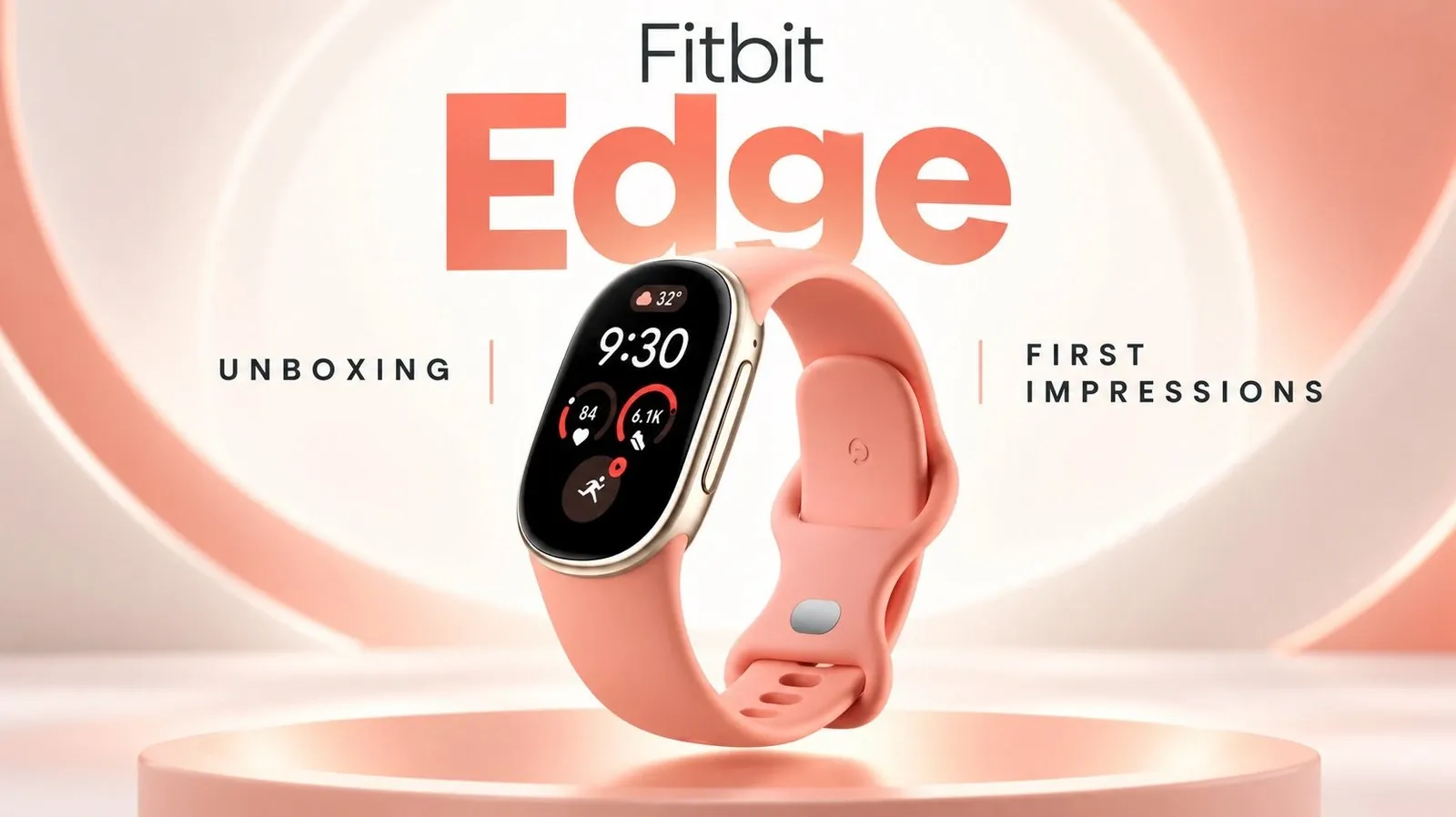
The Fitbit Edge is a compact wearable that combines lightweight design with practical features, as highlighted by Chase the Summit. Weighing just 33 grams with its band, the device is built for comfort and durability, featuring a mix of metal and plastic materials. Its 1.34-inch AMOLED display stands out, offering 46% more screen space than the Fitbit Charge 6, which enhances visibility for notifications and activity metrics. Additional details, such as interchangeable bands and a tactile side button, emphasize its focus on usability and style in a small form factor.
Discover how the Fitbit Edge supports outdoor activities with its built-in GPS and altimeter, while also offering advanced health tracking through optical heart rate monitoring and ECG functionality. Gain insight into its battery life, which ranges from up to seven days in standard mode to two days with the always-on display active. This explainer also covers its fitness tracking features and integration with Google Health for a comprehensive look at its capabilities.
Lightweight with a Premium Touch
TL;DR Key Takeaways :
- The Fitbit Edge, priced at $179, is positioned between the Fitbit Air and Pixel Watch 5, offering a balance of fitness tracking and smartwatch functionality with compatibility for both Android and iPhone.
- It features a lightweight 33-gram design with interchangeable bands, a tactile side button and a durable metal-plastic construction for comfort and style.
- The 1.34-inch AMOLED display is 46% larger than its predecessor, supports an always-on mode and provides excellent readability for notifications and activity metrics.
- Advanced health tracking tools include optical heart rate monitoring, ECG functionality, skin temperature tracking and integration with Google Health for centralized data analysis.
- With built-in GPS, an altimeter and up to seven days of battery life, the Fitbit Edge is ideal for outdoor activities and daily use, combining fitness tracking with smartwatch features in an affordable package.
Design and Build
Weighing just 33 grams with its band, the Fitbit Edge is engineered for all-day comfort. Its construction combines durable metal and plastic components, making sure a balance between robustness and style. The device supports interchangeable bands, available in active and magnetic options, allowing users to customize the look and fit to suit their preferences. A tactile side button enhances usability, providing an intuitive way to navigate menus and interact with the device. This thoughtful design makes the Fitbit Edge both functional and aesthetically appealing.
Display: Bright and Spacious AMOLED Screen
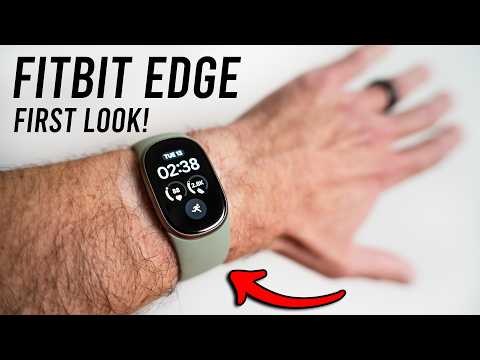
The Fitbit Edge features a 1.34-inch AMOLED display, which is 46% larger than the screen on its predecessor, the Fitbit Charge 6. This vibrant and spacious display enhances readability, making it easy to view notifications, activity metrics and other essential data at a glance. The screen supports an always-on display mode, which provides constant visibility but reduces battery life from seven days to approximately two days. For most users, the default display mode strikes a practical balance, offering excellent visibility while maximizing battery efficiency.
Find more information on Fitbit by browsing our extensive range of articles, guides and tutorials.
- Fitbit Charge 7 Leaked? Release Date Likely Expected for Late 2026
- Likely Google Fitbit Charge 7 Leak Reveals GNSS Tracking
- Garmin CIRQA vs Google Fitbit Air: Which Fitness Tracker Suits You Best?
- Leaked Fitbit Edge Bridges Fitbit Charge 6 and Pixel Watch
- Fitbit Air vs Garmin CIRQA: Tracking Accuracy Compared
- WHOOP vs FitBit Air vs Garmin CIRQA vs Amazfit Helio
- How Amazfit’s AI Coaching and Bio Charge Score Optimize Your Rest Days
- Garmin CIRQA vs Fitbit Air: $200 Premium Beats $100 Value
- Garmin CIRQA Accuracy Tested Against Whoop and Fitbit
- Google Fitbit Edge Launches October 27 For $179.99
Health Tracking: Advanced Tools for Better Insights
Health tracking is one of the standout features of the Fitbit Edge, offering a comprehensive suite of tools to monitor your well-being. Key health tracking capabilities include:
- Optical heart rate monitoring for continuous tracking of your heart health
- ECG functionality to detect irregular heart rhythms
- Skin temperature tracking to provide insights into your body’s physiological changes
These features deliver valuable insights into daily activity, stress levels and overall fitness. Integration with Google Health further enhances the experience by consolidating your health metrics into a centralized platform. This allows for easier analysis and actionable insights, empowering users to make informed decisions about their health.
Activity Tracking: GPS and Altimeter for Outdoor Enthusiasts
The Fitbit Edge is equipped with built-in GPS and an altimeter, making it an excellent choice for outdoor activities such as running, cycling and hiking. The GPS ensures accurate route mapping, while the altimeter records elevation changes, which is particularly useful for trail runners and climbers. These features, combined with the device’s lightweight design, make the Fitbit Edge a reliable companion for both casual users and serious athletes. Whether you’re exploring new trails or tracking your daily steps, the Fitbit Edge delivers precise and dependable performance.
Battery Life: Designed for Longevity
Battery life is a key strength of the Fitbit Edge, offering up to seven days of usage on a single charge when using the default display mode. Even with the always-on display enabled, the device provides up to two days of battery life, making sure it can keep up with your daily routine. Charging is straightforward and convenient, thanks to the USB-C charger that is compatible with both the Fitbit Edge and Fitbit Air. This compatibility simplifies charging, making it easy to keep your device powered during extended use or travel.
Software and User Interface: Seamless and Intuitive
The Fitbit Edge runs on Fitbit OS, delivering a smooth and intuitive user experience. The interface is designed to be user-friendly, with widgets that provide quick access to:
- Notifications for calls, messages and app alerts
- Activity tracking to monitor steps, calories and exercise
- Sleep data for insights into your rest patterns
- Heart rate monitoring for real-time updates
- Media controls to manage music and podcasts
- Weather updates for planning your day
Integration with Google Health adds another layer of functionality, allowing seamless syncing of health data across devices. This ensures that the Fitbit Edge functions not only as a fitness tracker but also as a capable smartwatch, offering a well-rounded experience for users.
A Wearable That Balances Features and Affordability
The Fitbit Edge is a versatile wearable that bridges the gap between fitness trackers and smartwatches. Its lightweight design, advanced health tracking features and compatibility with both Android and iPhone make it a practical choice for a wide range of users. At $179, the Fitbit Edge offers excellent value, delivering essential features without unnecessary complexity. Whether you’re tracking workouts, monitoring your health, or staying connected on the go, the Fitbit Edge provides a reliable and stylish solution for everyday use.
Media Credit: Chase the Summit
Disclosure: Some of our articles include affiliate links. If you buy something through one of these links, Geeky Gadgets may earn an affiliate commission. Learn about our Disclosure Policy.
