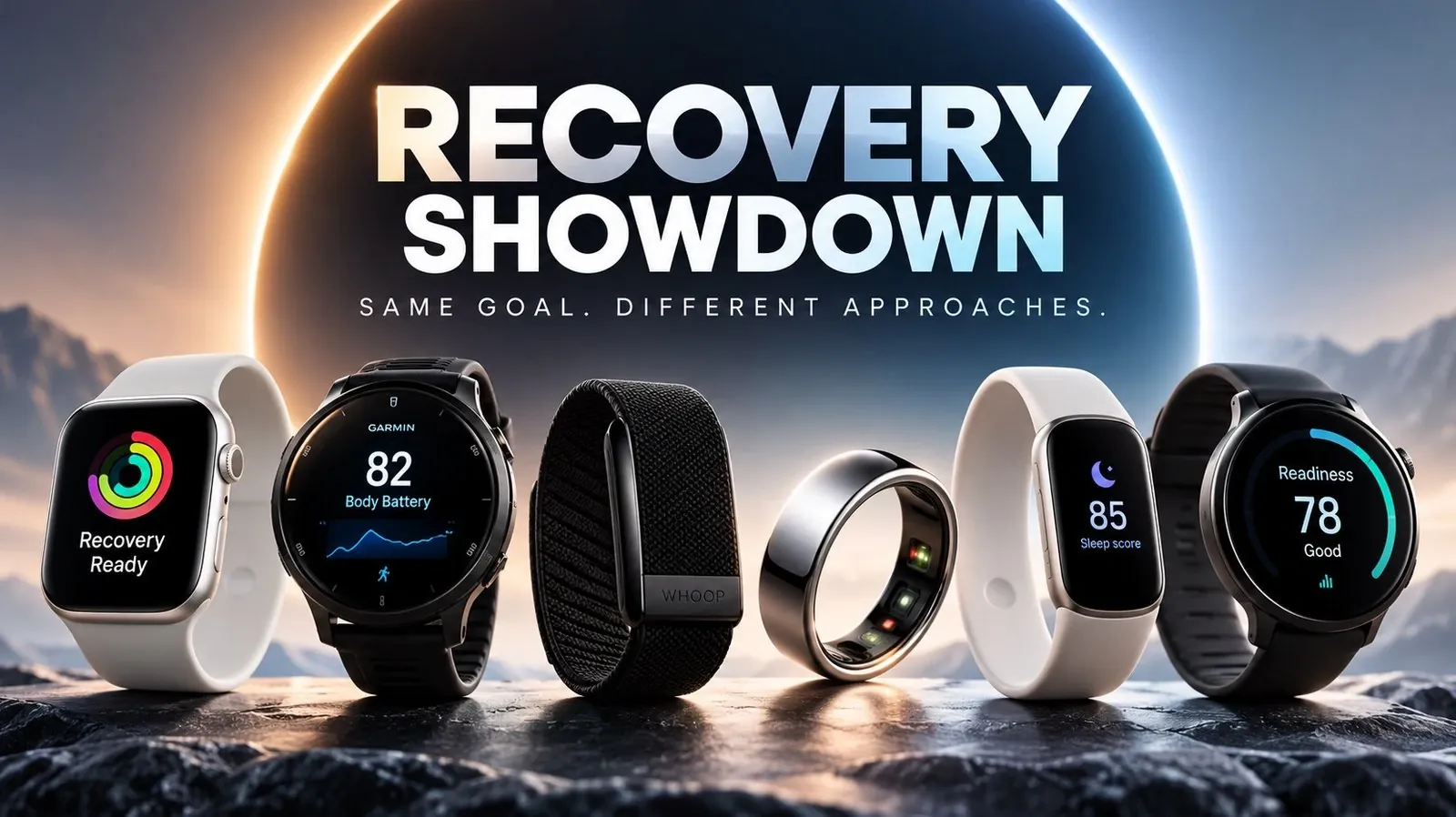
Wearable devices have become central to tracking physical readiness, with features like readiness scores offering insights into recovery and energy levels. These scores are calculated using metrics such as sleep quality, activity and stress, but the methods and outputs differ across brands. Chase the Summit examines how Apple, Garmin, Whoop, Oura Ring, Fitbit Air and Amazfit handle readiness tracking. For instance, Apple uses a straightforward 1–10 scale with three categories for clarity, while Garmin incorporates Body Battery and Training Readiness metrics, providing detailed, real-time feedback tailored to fitness enthusiasts.
Explore how Garmin’s metrics support advanced training strategies, while Oura Ring’s algorithm prioritizes consistency for daily wellness tracking. Learn how Whoop focuses on heart rate variability and sleep for recovery insights and how Fitbit Air and Amazfit offer entry-level options for those new to readiness tracking. This deep dive will clarify the unique strengths of each device, helping you align their features with your specific fitness and lifestyle needs.
What Are Readiness Scores?
TL;DR Key Takeaways :
- Readiness scores in wearable devices analyze metrics like sleep, activity and stress to guide fitness and recovery decisions, but calculation methods vary significantly across brands.
- Apple’s readiness score offers a simple, stable 1–10 scale, ideal for users seeking a straightforward, less data-intensive approach.
- Garmin provides detailed, dynamic metrics like Body Battery and Training Readiness, catering to athletes and fitness enthusiasts who value granular insights.
- Whoop emphasizes recovery with dynamic scores based on sleep and HRV, offering deep insights but requiring higher user engagement to interpret the data.
- Devices like Fitbit Air, Amazfit and Oura Ring balance simplicity and accessibility, making them suitable for beginners or users preferring consistent, less fluctuating metrics.
Apple Readiness Score: Simplicity at Its Core
Apple’s readiness score, featured on the Apple Watch Ultra 4 and Series 12, is built around a straightforward 1–10 scale. It categorizes your readiness into three intuitive levels: “Pace Yourself,” “Ready,” and “Go For It.” This simplicity makes it particularly appealing for users who prefer a less data-intensive approach. The score adjusts subtly throughout the day, offering a stable and easy-to-understand view of your recovery and energy levels. However, Apple’s system tends to avoid extreme values like 1 or 10, which may limit its ability to reflect significant fluctuations in your physical state. While this approach minimizes complexity, it may not provide the depth needed for users seeking advanced fitness insights.
Garmin: A Deep Dive into Metrics
Garmin takes a more detailed and dynamic approach to readiness tracking, offering two distinct metrics: Body Battery and Training Readiness. Body Battery measures your overall energy levels on a 0–100 scale, while Training Readiness evaluates your preparedness for exercise based on factors such as sleep, stress and recent activity. These metrics are highly responsive, capturing even minor changes in your daily routine. This level of detail is invaluable for athletes and fitness enthusiasts who want to fine-tune their training plans. However, the sheer volume of data may feel overwhelming for users who prefer a simpler, more streamlined experience.
Whoop: Recovery Insights with Precision
Whoop’s recovery score places a strong emphasis on sleep quality and heart rate variability (HRV). Unlike Apple’s more stable system, Whoop’s scores are highly dynamic, reflecting significant variability in response to changes in your activity and recovery patterns. This sensitivity allows for deeper insights into your physical state, making it a powerful tool for users who want to optimize their recovery. However, interpreting and acting on these detailed metrics may require a higher level of engagement and understanding, which could be a drawback for those seeking a more straightforward solution.
Readiness Score Comparison: Apple vs Garmin vs Whoop vs Oura vs Fitbit vs Amazfit
The table below compares the main differences between the six wearable platforms, including their readiness metrics, key tracking factors, responsiveness and ideal users. While some devices prioritize detailed recovery analysis, others focus on simplicity and consistent daily insights.
| Device | Readiness Metric | Key Factors | Responsiveness | Main Strength | Best For |
|---|---|---|---|---|---|
| Apple Watch | 1–10 readiness score | Sleep, activity and recovery | Low to moderate | Simple, stable daily guidance | Everyday wellness tracking |
| Garmin | Body Battery (0–100) and Training Readiness | Sleep, stress, HRV and training load | High | Detailed energy and training insights | Athletes and fitness enthusiasts |
| Whoop | Recovery score (0–100%) | HRV, sleep, resting heart rate | High | Recovery-focused analysis | Recovery optimization |
| Oura Ring | Readiness score (0–100) | Sleep, HRV, temperature and activity | Moderate | Consistent recovery trends | Sleep and wellness tracking |
| Fitbit Air | Readiness insights | Sleep, activity and recovery | Moderate | Accessible fitness guidance | Beginners and casual users |
| Amazfit | Readiness score and recovery metrics | Sleep, HRV and activity | Moderate | Balanced, accessible insights | Everyday fitness and wellness |
Note: Readiness calculations and available features vary by device model and software version. Responsiveness ratings summarize the differences discussed in the article rather than representing standardized benchmark measurements. Fitbit Air details are based on the emerging product information discussed.

Browse through more resources below from our in-depth content covering more areas on fitness tracker.
- Leaked Apple Watch Air Points to a Permanent Series Shift
- Apple’s Screenless Fabric Fitness Band May Launch In 2028
- Why Apple’s Secret “Watch Air” Project Is Giving Fitness Brands Nightmares
- Garmin CIRQA Offers a Screenless $199 Alternative to Oura Ring
- Google and WHOOP Should Be Worried About Apple’s Rumored ‘Watch Air’
- WHOOP vs FitBit Air vs Garmin CIRQA vs Amazfit Helio
- Garmin CIRQA vs WHOOP 5.0: Which Fitness Tracker Should You Buy?
- Screenless Garmin CIRQA for Unobtrusive Fitness Tracking with a $199 Price Tag
- Fitbit Edge Beats Google Fitbit Air with Built-in GPS and an ECG
- £180 Garmin CIRQA Smart Band Requires No Subscription
Oura Ring: Balanced and Consistent
The Oura Ring offers a readiness score that prioritizes stability and consistency. Its algorithm is designed to minimize frequent fluctuations, providing a steady and reliable measure of your recovery status. This makes it an excellent choice for users who value predictability in their fitness metrics. However, the Oura Ring’s focus on stability may come at the expense of capturing the finer nuances of your daily energy levels. For users who want a more dynamic and responsive system, other devices like Garmin or Whoop may be better suited to their needs.
Fitbit Air and Amazfit: Accessible Options
Fitbit Air and Amazfit are emerging contenders in the readiness tracking space, offering a balance between simplicity and detail. Their algorithms are designed to provide a user-friendly experience, making them ideal for beginners or those new to readiness tracking. While they may not offer the same depth of analysis as Garmin or Whoop, they deliver a solid foundation for understanding your recovery and energy levels. These devices are particularly appealing for users who want an accessible entry point into the world of wearable fitness technology.
How Sleep and Activity Shape Readiness Scores
Sleep quality and physical activity are two of the most critical factors influencing readiness scores. Devices like Garmin and Whoop are particularly sensitive to these variables, showing pronounced changes in response to poor sleep or high activity levels. This responsiveness provides a clear and actionable picture of how your lifestyle choices impact your recovery and energy levels. In contrast, Apple’s readiness score remains relatively stable, offering a more reassuring but less detailed view of your physical state. Understanding how these factors interact with your device’s algorithm can help you make more informed decisions about your fitness and recovery routines.
Dynamic Metrics vs Simplicity
The dynamic nature of readiness scores varies widely across devices, reflecting different design philosophies and user priorities. Garmin’s Body Battery, for example, adjusts frequently throughout the day, providing real-time feedback that can help you make informed decisions about your activities. This level of detail is ideal for users who want to closely monitor their energy levels and recovery status. On the other hand, Apple’s readiness score offers a more straightforward and stress-free experience, focusing on high-level insights rather than granular data. Ultimately, the choice between dynamic metrics and simplicity depends on your personal preferences, fitness goals and how much data you want to engage with on a daily basis.
Choosing the Right Device for Your Needs
When comparing readiness scores across Apple, Garmin, Whoop, Oura Ring, Fitbit Air and Amazfit, the key differences lie in their algorithms, scoring scales and responsiveness. Each device is tailored to meet the needs of different types of users, from beginners to advanced athletes.
- Apple: Best for users who value simplicity and a straightforward approach to readiness tracking.
- Garmin: Ideal for athletes and fitness enthusiasts seeking detailed, dynamic metrics for advanced planning.
- Whoop: Perfect for those who prioritize recovery-focused insights and want a highly responsive system.
- Oura Ring: A balanced option for users who prefer stability and consistency in their recovery metrics.
- Fitbit Air and Amazfit: Accessible choices for beginners exploring readiness tracking for the first time.
Your choice should align with your fitness objectives, lifestyle and how much data you’re willing to engage with daily. Whether you prioritize simplicity, detailed insights, or a balance of both, there is a wearable device designed to meet your unique needs.
Media Credit: Chase the Summit
Disclosure: Some of our articles include affiliate links. If you buy something through one of these links, Geeky Gadgets may earn an affiliate commission. Learn about our Disclosure Policy.
