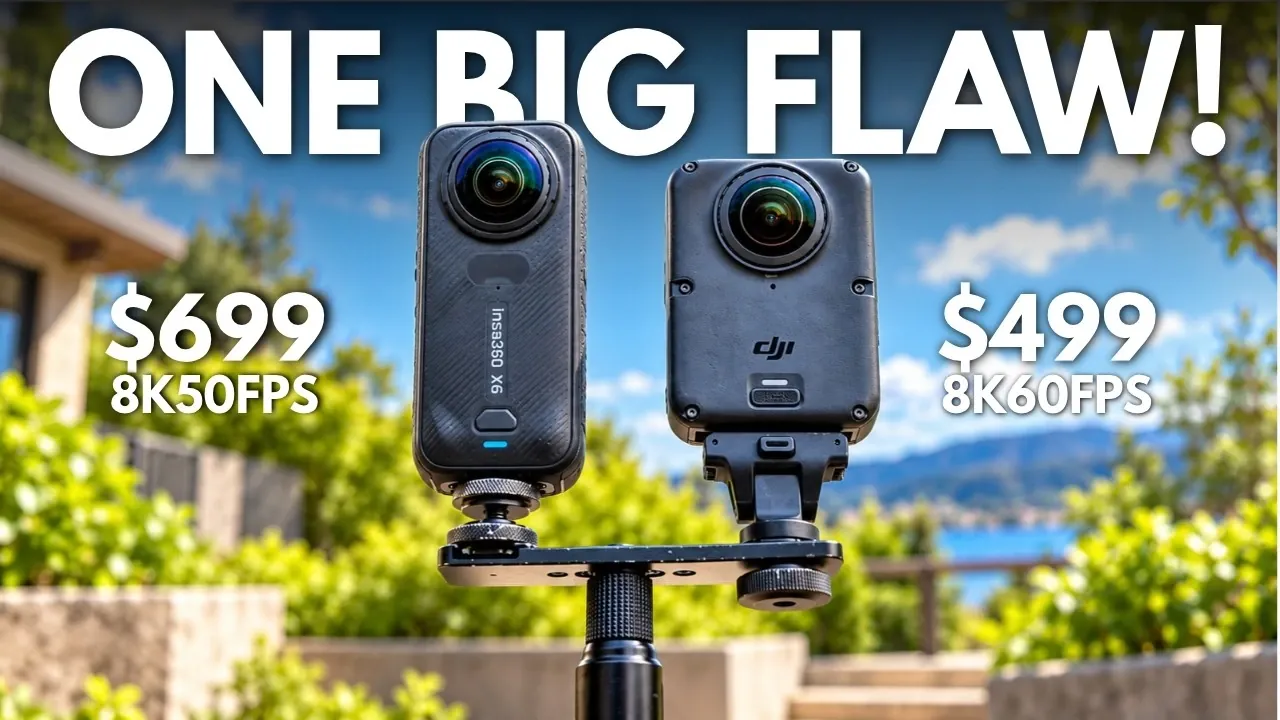
The Insta360 X6 and DJI Osmo 360 II represent two distinct approaches to 360-degree video creation, each catering to different priorities. The Insta360 X6 offers features like AI-powered AutoEdit, which simplifies post-production for creators focused on efficiency. In contrast, the DJI Osmo 360 II emphasizes hardware-driven performance, including 8K video at 60fps and enhanced durability with a protective lens coating. According to Tech Court, the choice between these models often hinges on whether you prioritize automated editing or manual precision.
Discover how these cameras compare in areas such as low-light performance, storage configurations, and compatibility with external ecosystems. Gain insight into which device aligns better with your workflow, whether you need advanced hardware capabilities or streamlined editing features. This explainer provides a clear breakdown to help you make an informed decision.
Software Efficiency vs Hardware Power
TL;DR Key Takeaways :
- The Insta360 X6 focuses on ease of use with AI-driven tools like AutoEdit and AI Director, making it ideal for creators prioritizing quick editing and mobile workflows.
- The DJI Osmo 360 II emphasizes hardware performance, offering 8K at 60fps, 120MP panoramic photos and durability, making it suitable for professionals seeking precision and resilience.
- Both cameras support 8K video, but the Insta360 X6 includes Dolby Vision for cinematic visuals, while the DJI Osmo 360 II offers smoother frame rates and AI Supernight 2.0 for low-light conditions.
- The DJI Osmo 360 II is more affordable at $499, with better internal storage and durability, while the Insta360 X6, priced at $699, justifies its cost with advanced software and AI features.
- Choose the Insta360 X6 for quick editing and low-light performance, or the DJI Osmo 360 II for superior hardware, RAW photo capabilities and integration with DJI accessories.
The Insta360 X6 is designed for users who prioritize ease of use and efficient post-production. Its ecosystem is built around AI-powered tools like AutoEdit and AI Director, which simplify the editing process and save valuable time. This makes it an excellent choice for creators who want to focus more on capturing content and less on manual editing.
In contrast, the DJI Osmo 360 II emphasizes hardware performance and durability. It offers high-resolution capabilities and advanced features at a competitive price, appealing to users who value raw power and precision over automation. This approach makes it ideal for professionals who prefer manual control and robust hardware for demanding shooting conditions.
Video Performance: Resolution, Frame Rates and AI Features
Both cameras support 8K video resolution, but their performance and features differ in key areas:
- DJI Osmo 360 II: Delivers 8K at 60fps and supports 4K slow motion up to 240fps. It also incorporates AI frame interpolation, making sure smoother playback for dynamic scenes.
- Insta360 X6: Offers 8K at 50fps and includes Dolby Vision, providing cinematic-quality footage with enhanced color and contrast.
For low-light videography, the Insta360 X6 uses advanced computational processing to improve clarity and detail, while the DJI Osmo 360 II uses its AI Supernight 2.0 feature to optimize nighttime video quality. Both cameras excel in their respective approaches, but your choice will depend on whether you prioritize cinematic visuals or smoother frame rates.

Deep dive into the latest in Insta360 X6 by exploring our other resources and articles.
- Leaked Insta360 X6 Box Confirms 8K 360° Video Recording
- DJI Osmo 360 II Tops Insta360 X6 with 8K 60Fps Video Support
- Insta360 X6 Costs $699, Marking a $150 Jump from the X5
- Leaked Insta360 X6 Retail Box Suggests €689 Starting Price: 8K Resolution Confirmed
- Leaked Insta360 X6 Retail Box Reveals a €689 Starting Price
- Insta360 X6 Pre-Orders Open August 12, 2026 with New Features
- Leaked Insta360 X6 Starts at $700 for Standard Bundle
- Insta360 X6 Reaches 140 Minutes of Continuous 8K Video
- DJI Osmo 360 II Beats Insta360 X6 with 8K 60Fps For $499
- DJI Osmo 360 II Offers 8K 60Fps for $499 Over Insta360 X6
Photography Features: Panoramas, RAW and HDR
When it comes to still photography, the DJI Osmo 360 II takes the lead with its superior resolution and advanced features:
- It captures 120MP panoramic photos, delivering exceptional detail and clarity for large-scale prints or immersive digital displays.
- RAW photo support and HDR imaging ensure professional-grade results, giving photographers greater flexibility in post-production.
The Insta360 X6, while more focused on video capabilities, still offers competitive photo features. However, it lacks the same emphasis on panoramic resolution, making it a better fit for users who prioritize video over still photography.
Durability and Storage: Built to Last
Both cameras are designed with durability in mind, featuring replaceable lenses to extend their lifespan. However, the DJI Osmo 360 II stands out with its durable lens coating, which is engineered to withstand challenging shooting environments such as extreme weather or rugged terrain.
In terms of storage:
- DJI Osmo 360 II: Comes with 128GB of internal storage, which can be expanded via microSD cards for additional capacity.
- Insta360 X6: Relies on external accessories for storage expansion, which may be less convenient for users who need ample storage on the go.
These differences highlight the DJI Osmo 360 II’s focus on practicality and resilience, while the Insta360 X6 caters to users who prioritize flexibility and accessory-based customization.
Editing Workflow: Automation vs Manual Control
The Insta360 X6 excels in editing efficiency, thanks to its AI-driven tools like AutoEdit and AI Director. These features automate much of the post-production process, making it an ideal choice for creators who want to save time and effort. The camera’s mobile editing capabilities further enhance its appeal for users who need to edit on the go.
On the other hand, the DJI Osmo 360 II offers a more manual editing experience. While it lacks the same level of automation, it includes tools like Spotlight Follow, which simplifies subject tracking during edits. This approach caters to users who prefer greater control over their creative process, even if it requires more time and effort.
Ecosystem and Accessories: Compatibility Matters
The Insta360 X6 benefits from a well-established ecosystem designed specifically for 360-degree workflows. Its wide range of accessories, such as invisible selfie sticks and modular add-ons, enhances its functionality and versatility.
In contrast, the DJI Osmo 360 II integrates seamlessly with other DJI products, including microphones, gimbals and the Vortex handle. If you already own DJI gear, this compatibility can streamline your workflow and reduce the need for additional equipment.
Battery Life and Mobile Editing
Battery performance is another area where the DJI Osmo 360 II excels. It offers extension options for longer shoots, making it a reliable choice for outdoor or extended filming sessions.
The Insta360 X6, while not as focused on battery longevity, compensates with its robust mobile editing capabilities. This makes it a strong contender for users who prioritize on-the-go editing and quick content delivery.
Price and Value: Balancing Cost and Features
The DJI Osmo 360 II is the more affordable option, starting at $499. Its hardware-focused design delivers excellent value for money, especially for users who prioritize performance and durability.
The Insta360 X6, priced at $699.99, justifies its higher cost with advanced software features and time-saving tools. For creators who value efficiency and innovative technology, the additional investment may be worthwhile.
Which Camera Should You Choose?
To make the right choice, consider the following:
- Choose the Insta360 X6 if you value quick editing, mobile workflows, Dolby Vision and superior low-light performance. Its AI-driven tools are perfect for creators who want to minimize post-production time.
- Opt for the DJI Osmo 360 II if you prioritize better hardware value, RAW photo capabilities and seamless integration with DJI gear. Its durability and affordability make it a practical choice for professionals and enthusiasts alike.
Evaluate your specific needs, workflow preferences and budget to determine which camera aligns best with your goals. Both the Insta360 X6 and DJI Osmo 360 II are excellent options, each catering to different aspects of 360-degree photography and videography.
Media Credit: Tech Court
Disclosure: Some of our articles include affiliate links. If you buy something through one of these links, Geeky Gadgets may earn an affiliate commission. Learn about our Disclosure Policy.
