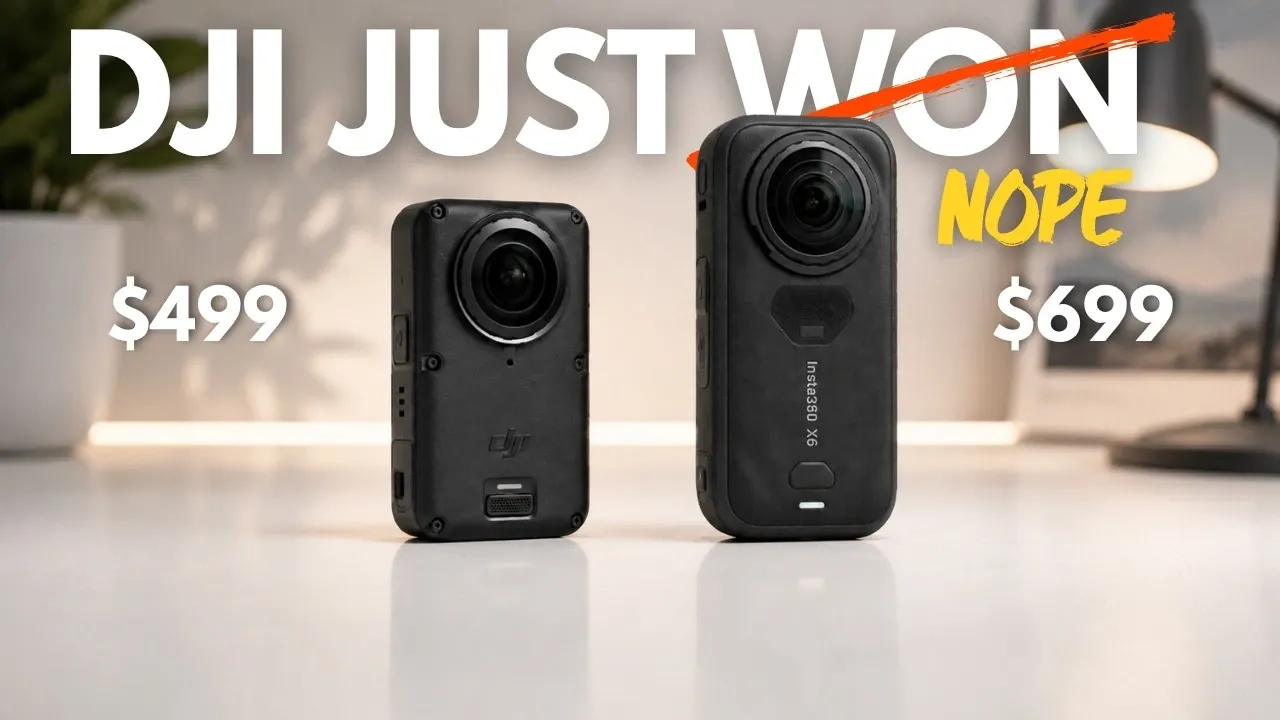
The DJI Osmo 360 II and Insta360 X6 represent two distinct approaches to 360-degree cameras, each catering to different priorities. According to Tech Court, the Osmo 360 II stands out for its hardware-driven performance, featuring 8K video at 60fps, 10-bit color depth and 128GB of internal storage. However, its limited availability in regions like the United States may complicate access for some users. In contrast, the Insta360 X6 leans heavily on software-based functionality, offering features like Panomind and AI Director to streamline editing processes. These differences highlight the need to carefully consider what matters most for your creative workflow.
Dive into how these cameras compare in practical terms, including the Osmo’s storage capabilities versus the X6’s battery life and waterproof design. Discover how each model performs in low-light conditions and what editing options they provide. Additionally, understand the implications of regional availability and how it might influence your purchasing decision.
DJI Osmo 360 II vs Insta360 X6
TL;DR Key Takeaways :
- The DJI Osmo 360 II excels in hardware performance, offering 8K video at 60fps, 10-bit color depth, replaceable lenses and 128GB internal storage, but faces limited regional availability.
- The Insta360 X6 focuses on software innovation with advanced AI editing tools, waterproofing up to 20 meters and extended battery life, making it ideal for seamless post-production workflows.
- The Osmo 360 II is priced at $499, providing superior hardware value, while the Insta360 X6 costs $699.99, justifying its higher price with a robust software ecosystem and accessory compatibility.
- Storage and battery life differ significantly: the Osmo offers more internal storage (128GB vs. 47GB), while the X6 provides longer battery life (140 minutes vs. 100 minutes at 8K 30fps).
- Regional availability is a key factor; the Insta360 X6 is widely accessible in the US, whereas the Osmo 360 II has limited distribution, potentially complicating purchases and support for some users.
DJI Osmo 360 II: Hardware-Driven Excellence
The DJI Osmo 360 II is a standout option for users who prioritize hardware performance and image quality. Priced at approximately $499 (converted from Hong Kong pricing), it offers an impressive array of technical features that appeal to creators focused on capturing high-quality visuals:
- 8K video recording at 60fps, delivering ultra-high-definition footage.
- 10-bit color depth for enhanced dynamic range and precise color reproduction.
- Replaceable lenses, offering flexibility for various shooting styles and scenarios.
- 120MP panoramic photography, allowing highly detailed still images.
- AI Super Night 2.0, significantly improving low-light performance.
- 128GB internal storage, with 105GB usable for media files.
Despite its exceptional hardware value, the Osmo 360 II faces challenges in terms of availability. Its limited distribution in regions such as the United States may complicate the purchasing process and access to customer support. However, for users who can acquire it locally, this camera offers a compelling combination of features at an attractive price point.
Insta360 X6: Software and Ecosystem Superiority
The Insta360 X6, priced at $699.99, positions itself as a premium option by focusing on software innovation and ecosystem integration. Building on the success of its predecessor, the Insta360 X5, the X6 introduces several notable upgrades that enhance its appeal:
- Larger sensors for improved low-light performance and image clarity.
- 10-bit color recording, making sure vibrant and lifelike visuals.
- Extended battery life, lasting up to 140 minutes when recording at 8K 30fps.
- Advanced AI editing tools, including Panomind, AI Director and Auto Edit, simplifying post-production workflows.
- Waterproofing up to 20 meters without requiring additional housing.
The X6 excels in post-production convenience, offering a seamless editing experience that caters to both casual users and professional creators. Its widespread availability and compatibility with a variety of accessories make it a practical choice, particularly for users in regions like the United States. For those already invested in Insta360’s ecosystem, the X6 provides a natural upgrade path.

Become an expert in DJI Osmo 360 II with the help of our in-depth articles and helpful guides.
- DJI Osmo 360 II Officially Debuts Today at 8:00 am EDT
- DJI Osmo 360 II Tops Insta360 X6 with 8K 60Fps Video Support
- DJI Osmo 360 II Officially Launches Tomorrow
- DJI Osmo 360 II Beats Insta360 X6 with 8K 60Fps For $499
- DJI Osmo 360 II Unveils Larger 2,150 mAh Battery Capacity
- DJI Osmo 360 II Leaks Reveal a Larger 2150mAh Battery
- DJI Osmo 360 II Leaks Reveal Expected 8K at 60Fps Video
- New DJI Osmo 360 II Leak Points to Enhanced Waterproofing and Original Design
- Leaked Insta360 X6 Box Confirms 8K 360° Video Recording
- Insta360 X6 Pre-Orders Open August 12, 2026 with New Features
Key Considerations: Hardware Value vs Software Ecosystem
When deciding between the DJI Osmo 360 II and Insta360 X6, it’s essential to weigh the importance of hardware capabilities against the benefits of a robust software ecosystem. The Osmo 360 II delivers superior hardware value at a lower price, making it an attractive option for users who prioritize technical specifications. However, the Insta360 X6 justifies its higher cost by offering advanced editing tools and a mature ecosystem that enhances the overall user experience.
For users already invested in Insta360’s accessories, switching to DJI may involve additional expenses, such as purchasing compatible gear. In such cases, the X6 could prove to be a more cost-effective choice in the long term.
Editing and Workflow: Simplicity vs Customization
The Insta360 X6 stands out for its AI-driven editing tools, such as Panomind and Auto Edit, which streamline the post-production process. These features enable users to create polished, professional-quality content with minimal effort. In contrast, DJI’s editing capabilities, while functional, lack the refinement and versatility of Insta360’s software suite. For creators who prioritize ease of use and advanced editing options, the X6 offers a clear advantage.
Storage and Battery Life: Finding the Right Balance
Storage and battery life are critical factors to consider when choosing a 360-degree camera. The DJI Osmo 360 II provides 128GB of internal storage, significantly more than the Insta360 X6’s 47GB usable storage. This makes the Osmo a better choice for users who frequently record high-resolution footage and require ample storage space.
However, the X6 compensates with longer battery life, lasting up to 140 minutes compared to the Osmo’s 100 minutes when recording at 8K 30fps. Depending on your shooting habits and priorities, these differences could influence your decision.
Regional Availability and Accessibility
One of the primary drawbacks of the DJI Osmo 360 II is its limited availability in regions like the United States. This can make it challenging to purchase and access customer support. On the other hand, the Insta360 X6 is widely available and supported in the US, making it a more accessible option for American buyers. For users in regions where the Osmo 360 II is not readily available, the X6 may be the more practical choice.
Upgrading from the Insta360 X5: is It Worth It?
For existing Insta360 X5 users, upgrading to the X6 may not be necessary unless specific new features, such as improved low-light performance or advanced AI tools, are essential to your workflow. The X5 remains a capable device, especially at discounted prices and continues to meet the needs of many creators. Carefully evaluate whether the additional features of the X6 justify the investment based on your specific requirements.
Choosing the Right Camera for Your Needs
The decision between the DJI Osmo 360 II and Insta360 X6 ultimately depends on your individual priorities and circumstances. The Osmo 360 II is an excellent choice for users who value hardware performance and image quality, particularly if it is available locally. Conversely, the Insta360 X6 is better suited for those who prioritize software convenience, ecosystem integration and advanced editing tools. First-time buyers should carefully assess their needs to make an informed decision, while existing Insta360 users should consider the benefits of upgrading based on their current setup and creative goals.
Media Credit: Tech Court
Disclosure: Some of our articles include affiliate links. If you buy something through one of these links, Geeky Gadgets may earn an affiliate commission. Learn about our Disclosure Policy.
