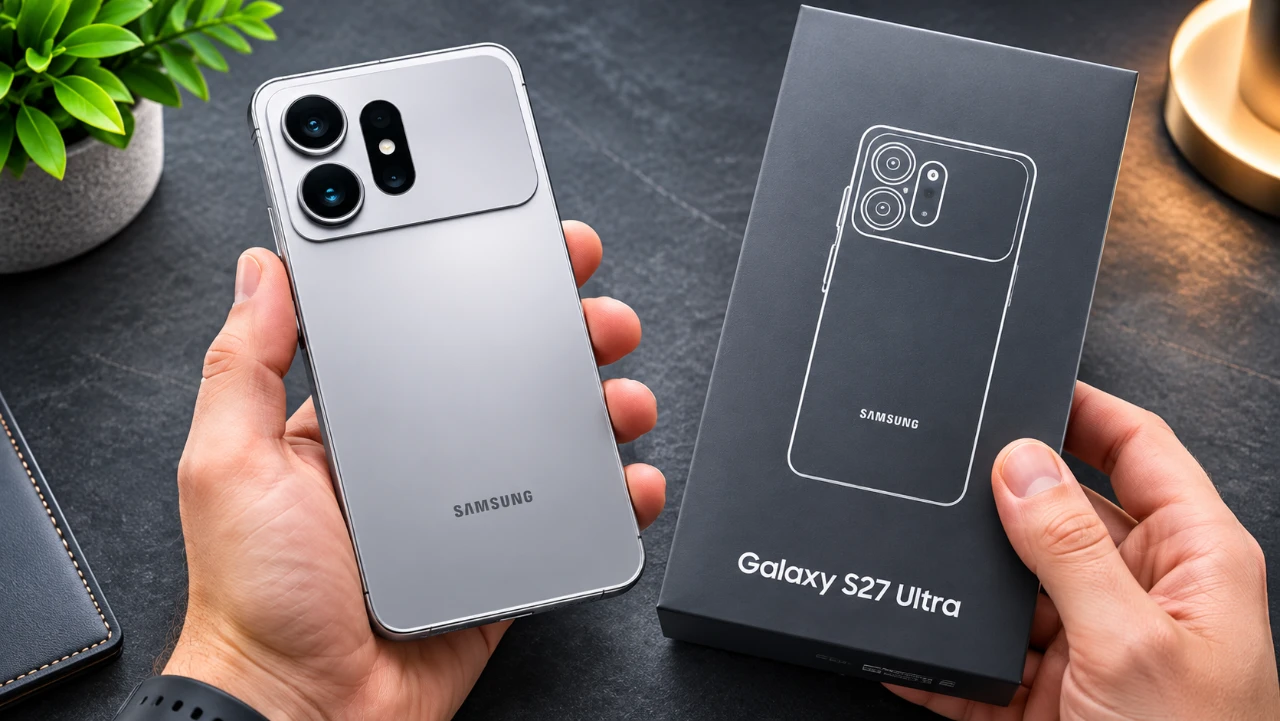
The Samsung Galaxy S27 Ultra, the much-anticipated flagship in Samsung’s upcoming smartphone lineup, has become a focal point of discussion among tech enthusiasts. Leaks surrounding the device suggest that it may lose a key feature that has defined its predecessors, sparking debates about its potential appeal to loyal users. As Samsung strives to balance innovation with cost efficiency, these decisions could significantly impact its position in the fiercely competitive flagship smartphone market.
TL;DR Key Takeaways :
- Camera Layout Shift: Leaks indicate the S27 Ultra may drop its signature secondary telephoto lens, streamlining its optical zoom configuration.
- Component Reuse: Standard S27 and S27 Plus models are rumored to recycle older main and ultrawide sensors dating back to earlier generations.
- Cost Optimization: Rising manufacturing expenses and component costs are likely driving Samsung toward these hardware cutbacks.
- Competitive Risk: Scaling back on camera versatility risks alienating power users and photography enthusiasts looking for generational leaps.
What’s Changing in the Galaxy S27 Series?
The Galaxy S27 series, which includes the S27, S27 Plus, S27 Pro, and S27 Ultra, is expected to focus on incremental updates rather than sweeping changes. Here’s what the leaks reveal about the upcoming lineup:
- Galaxy S27 and S27 Plus: These models are rumored to reuse the main and ultrawide camera sensors from previous generations. While minor enhancements to the telephoto and selfie cameras are anticipated, the overall user experience is unlikely to see a dramatic shift.
- Galaxy S27 Pro and S27 Ultra: Both models are set to feature high-resolution primary and ultrawide sensors emphasizing detailed photography. However, the telephoto camera configurations introduce notable changes:
- The S27 Pro will include a telephoto lens with 3x optical zoom.
- The S27 Ultra will feature a telephoto lens with 5x optical zoom but may lose its secondary telephoto camera, a hallmark of previous Ultra models.
These adjustments suggest a shift in Samsung’s approach to balancing hardware capabilities with production costs, but they also raise questions about how these changes will resonate with users.
Why the Secondary Telephoto Camera Matters
The potential removal of the secondary telephoto camera on the Galaxy S27 Ultra represents a significant shift in its design philosophy. Previous Ultra models have been celebrated for their dual telephoto lenses, which allowed users to seamlessly switch between mid-range and long-range zoom options. This versatility has been a defining feature for photography enthusiasts who value capturing high-quality images across a variety of focal lengths.

Without this feature, the S27 Ultra may face challenges in competing with flagship devices from other brands that continue to innovate in smartphone camera technology. Competitors are increasingly focusing on advanced optical zoom capabilities, computational photography and innovative sensor designs. By scaling back on camera flexibility, Samsung risks alienating a segment of its user base that prioritizes photography performance.
For users who rely on the Ultra series for its premium camera features, the absence of a secondary telephoto lens could feel like a compromise. This change may also impact Samsung’s ability to differentiate its flagship device in a market where camera performance is often a key factor in purchasing decisions.
Cost Optimization and Component Reuse
Samsung’s rumored decision to reuse older camera sensors and simplify hardware design appears to be driven by a focus on cost optimization. Several factors likely contribute to this approach:
- Rising component costs: Global supply chain pressures and increasing production expenses have forced manufacturers to explore cost-saving measures.
- Streamlined manufacturing: Reusing existing components and reducing hardware complexity can enhance production efficiency and help maintain competitive pricing.
While these strategies may help Samsung manage production costs, they could come at the expense of user satisfaction. The Ultra series has traditionally been positioned as a premium offering and loyal users expect innovative features that justify its higher price point. By reusing components and scaling back on hardware advancements, Samsung risks disappointing its most dedicated customers.
Market Implications and User Appeal
The rumored changes to the Galaxy S27 Ultra could have far-reaching implications for Samsung’s standing in the flagship smartphone market. As competitors continue to push the boundaries of camera technology and innovation, Samsung’s decision to scale back on features may be perceived as a step in the wrong direction. This could lead to dissatisfaction among existing Ultra users and make the device less appealing to potential upgraders.
For users, the lack of substantial hardware advancements and the removal of a key feature raise critical questions:
- Does the Galaxy S27 Ultra offer enough value to justify an upgrade?
- How does it compare to rival devices that prioritize innovation and advanced technology?
If the S27 Ultra fails to stand out from its predecessors or competitors, it risks losing ground in a market where innovation and differentiation drive consumer interest. The Ultra series has long been associated with premium features and top-tier performance and any perceived compromise could impact its reputation.
The Path Forward for Samsung
The Samsung Galaxy S27 Ultra presents a complex picture. While it retains impressive core specifications, the rumored removal of the secondary telephoto camera and reliance on older components could diminish its appeal to users who prioritize camera flexibility. For Samsung, the challenge lies in navigating the delicate balance between cost optimization and delivering a compelling flagship experience.
As the smartphone market continues to evolve, Samsung’s ability to innovate while managing production challenges will be critical. Whether the Galaxy S27 Ultra can maintain its competitive edge will depend on how well it meets user expectations and adapts to the demands of a rapidly changing industry. For now, the rumored changes leave users and industry observers questioning whether the S27 Ultra will live up to the legacy of its predecessors.
Unlock more potential in the Samsung Galaxy S27 Ultra by reading previous articles we have written.
- Samsung Galaxy S27 Ultra Leaks: Why the 4-Camera Era Might Be Officially Over
- Samsung Galaxy S27 Ultra: First Look at the Biggest Changes Coming Next Year
- Major Design Change Leaks for the Samsung Galaxy S27 Ultra
- Samsung Galaxy S27 Ultra Release Date: When to Expect the Next Flagship
- Why the Galaxy S27 Ultra Could Be Samsung’s Best Phone in Years
Source: Demon’s Tech
Disclosure: Some of our articles include affiliate links. If you buy something through one of these links, Geeky Gadgets may earn an affiliate commission. Learn about our Disclosure Policy.
