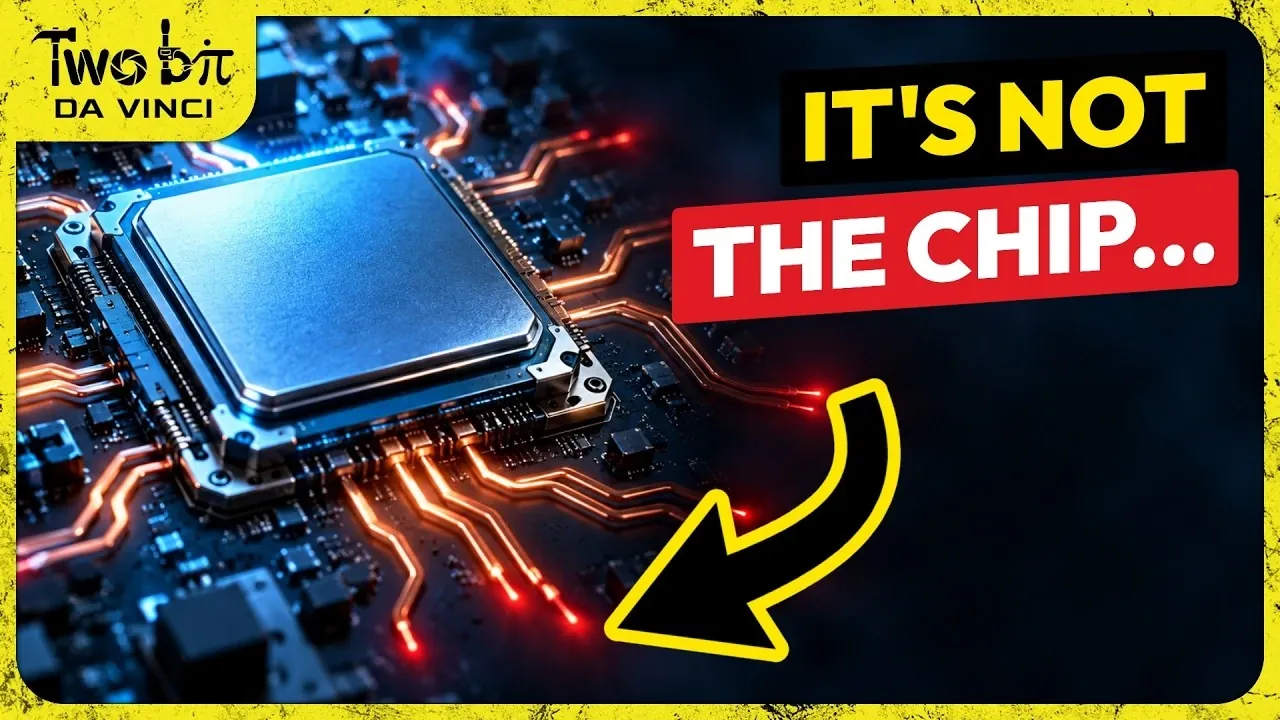
Artificial intelligence (AI) is reshaping industries, but its rapid growth comes with a steep energy cost. By 2030, AI data centers are expected to consume over 945 terawatt-hours annually, with an estimated 80% of that energy spent on data movement rather than computation. This inefficiency not only inflates operational costs but also poses serious environmental concerns. In a recent analysis, Two Bit da Vinci explores how Huawei’s Pirium architecture and its Unified Bus Protocol aim to tackle these challenges. By streamlining data transfer and eliminating redundant communication protocols, this approach could significantly reduce energy waste while enhancing system performance.
Dive into this breakdown to understand how the Unified Bus Protocol optimizes processor communication, reducing latency and energy consumption. Gain insight into key advancements like unified memory access, distributed processing and the integration of copper and optical cables for efficient data transfer. You’ll also learn how these innovations translate into real-world benefits, such as the energy savings achieved by Huawei’s Atlas 960 Super Pod. This analysis offers a clear look at how AI’s energy demands can be addressed without compromising performance or scalability.
Understanding the Energy Demands of AI Data Centers
TL;DR Key Takeaways :
- AI data centers are projected to consume over 945 terawatt-hours annually by 2030, with 80% of energy spent on data movement rather than computation, raising environmental and operational concerns.
- Huawei’s Pirium architecture and Unified Bus Protocol optimize energy use by eliminating redundant communication protocols, streamlining data transfer and enhancing system performance.
- Key innovations include Unified Memory Access, Distributed Processing and Copper-Optical Cable Integration, which collectively reduce latency, improve scalability and boost energy efficiency.
- The Unified Bus Protocol maximizes hardware efficiency through Model Flops Utilization (MFU), allowing processors to operate at peak performance while minimizing energy waste.
- Real-world implementation in Huawei’s Atlas 960 Super Pod demonstrates significant energy savings and performance gains, with open source availability encouraging industry-wide adoption for a sustainable AI future.
AI workloads require immense computational power, but the primary energy drain lies in data movement rather than processing. In large-scale AI clusters, data must travel between thousands of processors, often relying on outdated or incompatible communication protocols. These inefficiencies lead to excessive energy loss, increased latency and higher operational expenses. As AI adoption accelerates, the growing energy demands could strain power grids and contribute to environmental degradation. Without innovative solutions, the sustainability of AI-driven technologies may be at risk.
The Pirium Architecture and Unified Bus Protocol
The Pirium architecture directly addresses these inefficiencies through its Unified Bus Protocol, a innovative approach to processor communication. Traditional systems rely on multiple communication protocols, requiring constant conversions that waste energy and slow down operations. The Unified Bus Protocol eliminates these redundancies, allowing processors to communicate seamlessly as part of a single, integrated system. This innovation not only reduces energy consumption but also enhances performance by streamlining data transfer processes.

Enhance your knowledge on energy by exploring a selection of articles and guides on the subject.
- Proxima Fusion Plans the Alpha Stellarator for the Early 2030S
- How the Super Soaker Inventor Built a Heat Engine Without Moving Parts
- Google Project Suncatcher Uses Space Solar Panels for AI
- MIT Says Energy-Storing Concrete Improves 10-fold by Switching to Organic Electrolyte
- Bloom Energy Server – Bloom Box Fuel Cell Gets Official
- Sun-Ways Installs 18 kW Removable Solar Panels on Train Tracks
- CATL Targets Lithium-Air Batteries for 1,000-Mile EV Range
- Apple Silicon AI Performance: Local Al on Apple Silicon Uses 7X Less RAM
- Apple Watch Ultra 4 Leak Reveals Redesign and Health Features
- Google DeepMind CEO Says AGI Could Arrive in 3 to 5 Years
Key Technical Innovations Driving Efficiency
The Pirium architecture incorporates several advanced features that contribute to its energy efficiency and performance improvements:
- Unified Memory Access: Processors can access memory across the entire system as if it were local, significantly reducing latency and improving operational efficiency.
- Distributed Processing: By decentralizing decision-making and removing the central processing unit (CPU) as the master controller, the architecture eliminates bottlenecks, enhances scalability and ensures smoother operations.
- Copper and Optical Cable Integration: The combination of copper cables for short-distance communication and fiber optics for longer distances optimizes both speed and energy efficiency, making sure seamless data transfer across the system.
Enhancing Hardware Utilization with Model Flops Utilization (MFU)
Model Flops Utilization (MFU) is a critical metric for evaluating how effectively computing resources are used. In traditional systems, inefficiencies in communication layers often prevent hardware from reaching its full potential. The Unified Bus Protocol addresses this limitation by making sure that processors operate at peak efficiency. By unlocking the full capabilities of advanced hardware, the Pirium architecture maximizes computational output while minimizing energy waste.
Real-World Impact: Energy Savings and Performance Gains
The practical benefits of the Pirium architecture are evident in Huawei’s Atlas 960 Super Pod. By implementing the Unified Bus Protocol, this system achieves remarkable energy savings, reducing power consumption by over 550 kilowatts per machine. Additionally, it significantly improves compute-per-watt efficiency, allowing data centers to maintain high performance while consuming less energy. These advancements not only lower operational costs but also contribute to a more sustainable AI ecosystem, aligning with global efforts to reduce carbon footprints.
Challenges and Opportunities for Industry-Wide Adoption
The success of the Unified Bus Protocol depends on its adoption across the tech industry. For its full potential to be realized, chipmakers, server manufacturers and software developers must integrate this technology into their systems. Recognizing the importance of collaboration, Huawei has made the protocol and its hardware designs open source. This approach invites the broader tech community to innovate and build upon the foundation laid by the Pirium architecture, fostering a collaborative effort to address the energy challenges of AI.
Looking Ahead: A Sustainable Future for AI
The Pirium architecture represents a significant step forward in addressing the energy challenges associated with AI. As AI applications grow in complexity and scale, the demand for energy-efficient and scalable computing solutions will only intensify. By tackling inefficiencies in data movement, the Unified Bus Protocol and Pirium architecture offer a sustainable path forward. These innovations balance innovative performance with environmental responsibility, paving the way for a future where AI can thrive without compromising the planet’s resources.
Media Credit: Two Bit da Vinci
Disclosure: Some of our articles include affiliate links. If you buy something through one of these links, Geeky Gadgets may earn an affiliate commission. Learn about our Disclosure Policy.
