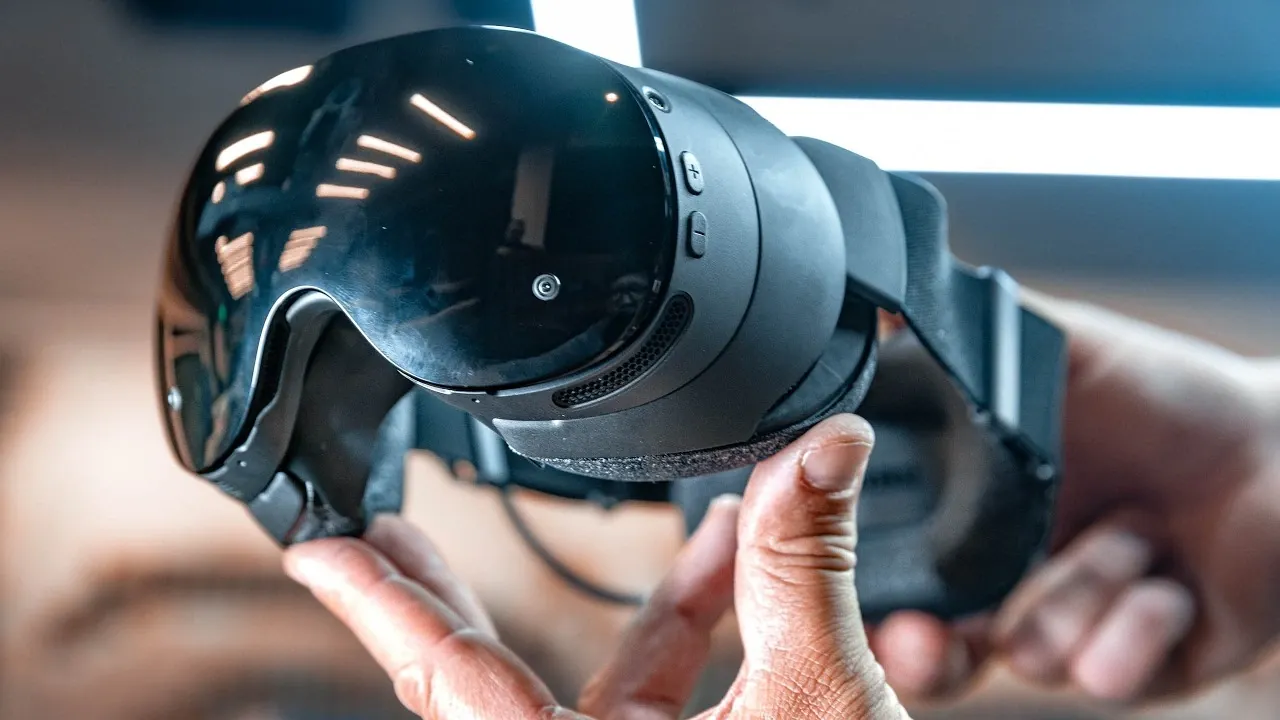
What if a single device could redefine how you experience gaming, blending the immersive depth of virtual reality with the convenience of a portable console? Enter the Valve Steam Frame, a bold new contender in the VR space that promises to shake up the industry. With its lightweight, modular design and the ability to seamlessly switch between VR and traditional gaming modes, this standalone headset is more than just a gadget, it’s a statement. Valve, the company behind the iconic Steam Deck, has set its sights on making VR more accessible, practical, and versatile than ever before. But does the Steam Frame live up to its ambitious claims, or is it just another overhyped addition to the VR market?
In this hands-on analysis, Adam Savage explore hands-on what the Steam Frame brings to the table and whether it truly delivers on its promise of versatility and performance. From its innovative display technology to its innovative modular components, this headset is packed with features designed to enhance both comfort and functionality. We’ll also delve into its gaming versatility, including its ability to handle local VR, PC VR streaming, and even flat-screen gaming. Whether you’re a VR enthusiast or a casual gamer curious about stepping into virtual worlds, this review will uncover whether the Steam Frame is the next big leap in gaming, or just another step. Sometimes, the future of gaming is closer than you think.
Steam Frame VR Overview
TL;DR Key Takeaways :
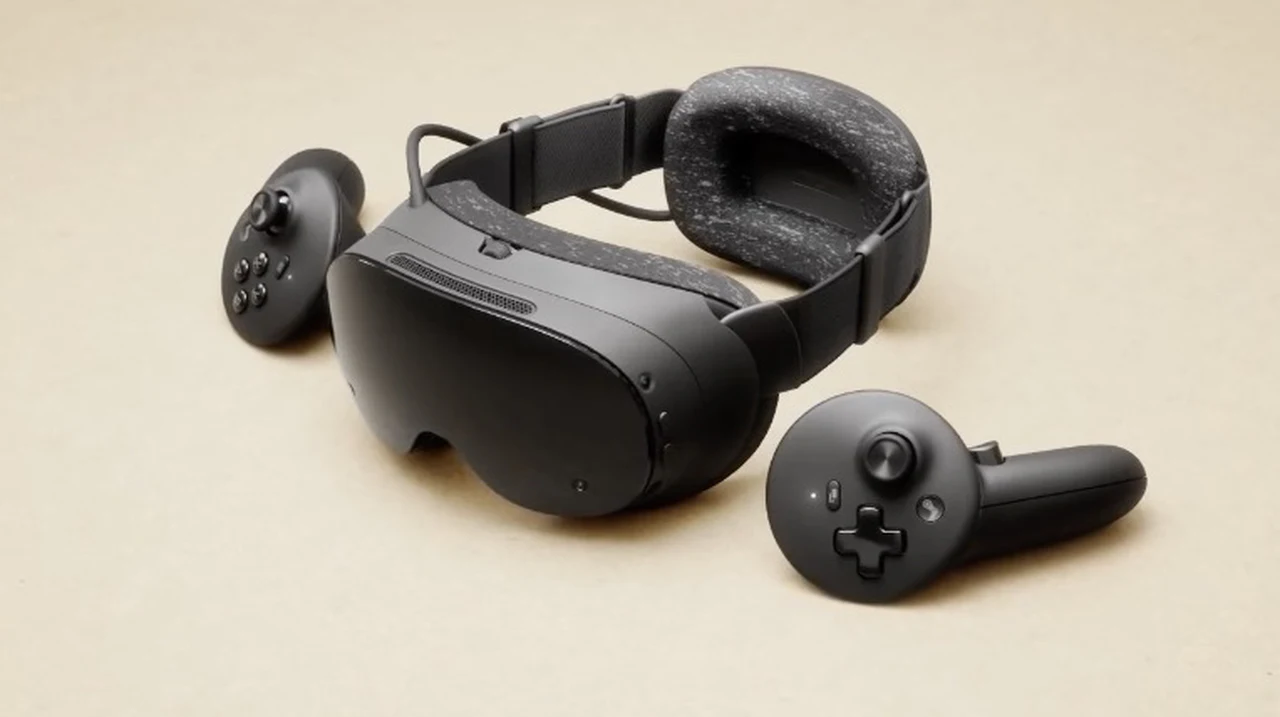
- The Valve Steam Frame VR headset features a lightweight (435g) and modular design, allowing for easy upgrades and replacements, with ergonomic options for enhanced comfort during extended use.
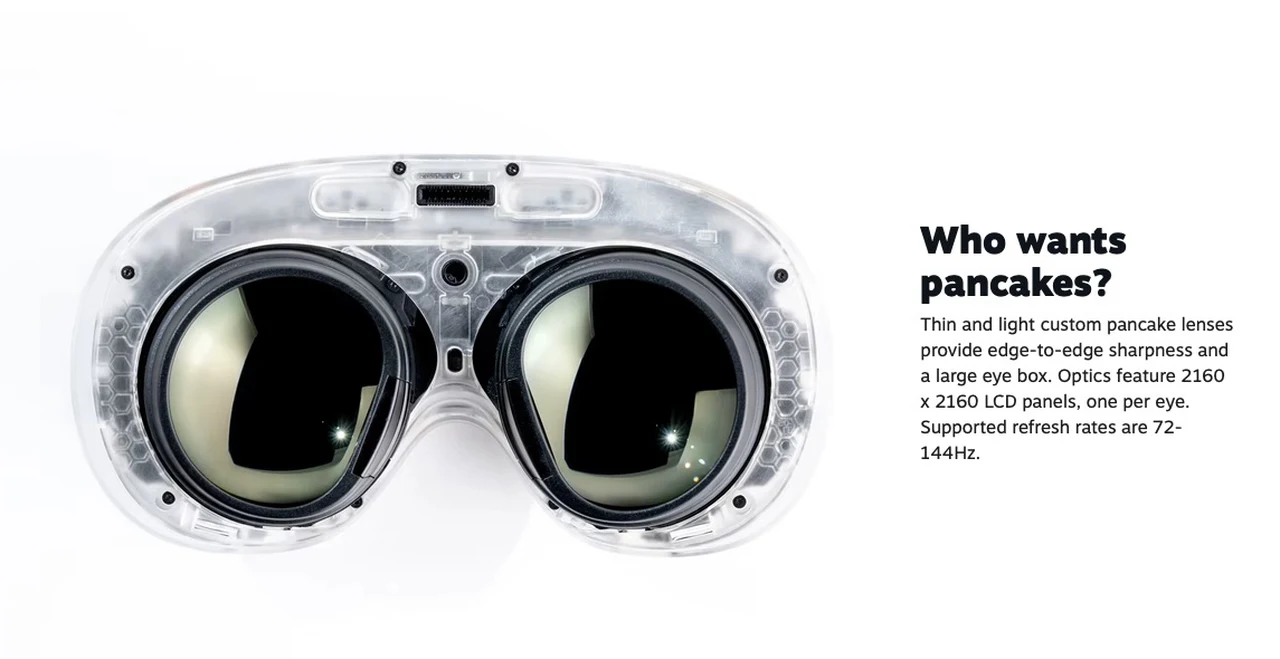
- Equipped with dual 2160×2160 LCD panels, a 110-degree field of view, and refresh rates up to 144Hz, the headset delivers sharp, immersive visuals with minimal latency.
- Powered by a Qualcomm Snapdragon 8 Gen 3 processor and 16GB RAM, the Steam Frame supports Steam OS, Proton, and four versatile gaming modes, including VR and flat-screen streaming.
- Precision controllers with capacitive buttons and inside-out tracking, combined with Wi-Fi 6E/7 and eye-tracking-enabled foveated streaming, ensure seamless connectivity and accurate input.
- Set for a Spring 2026 consumer launch, the headset offers expandable storage, integrated audio, and a focus on gaming performance, with pricing under $1,000.
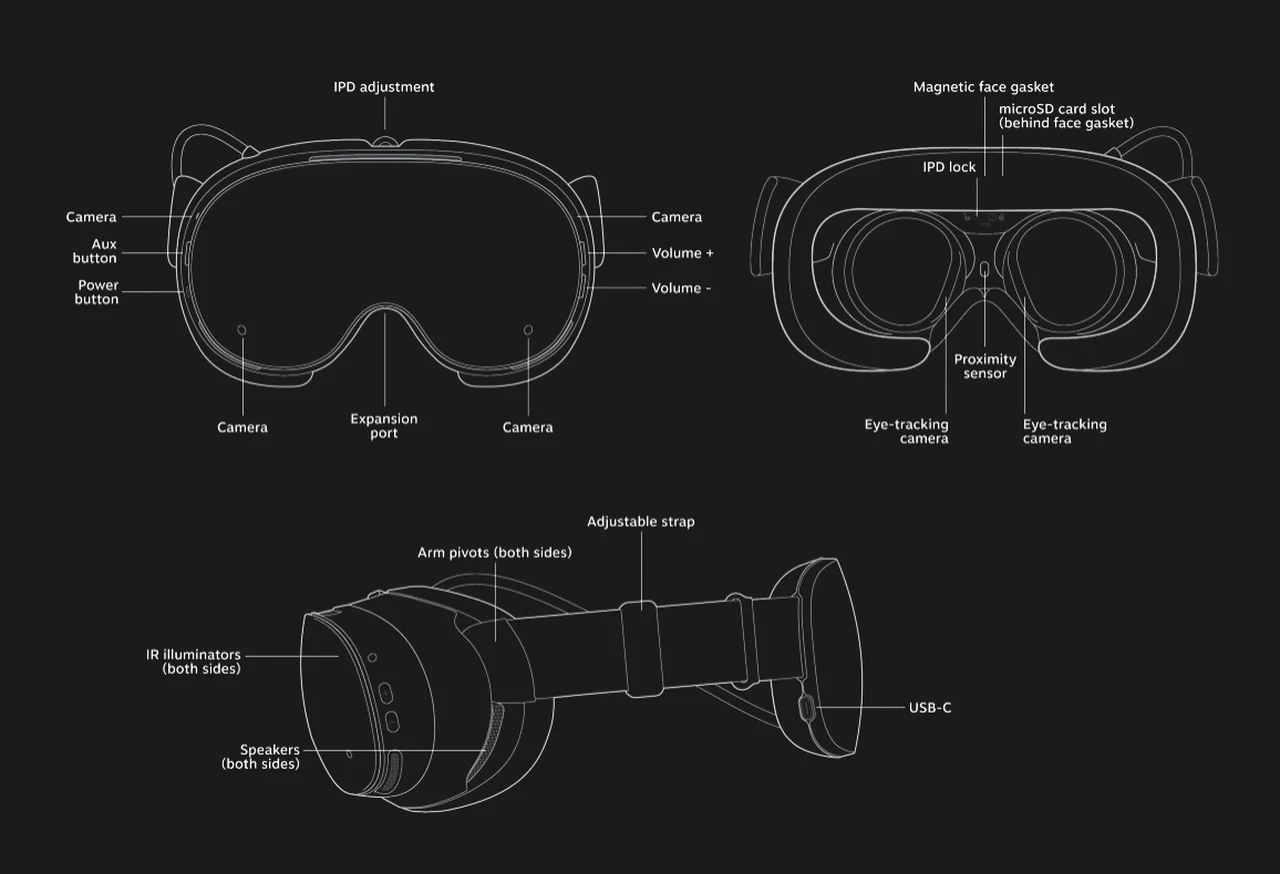
The inclusion of pancake optics ensures a compact form factor while maintaining sharp visuals across the display. Features such as an adjustable interpupillary distance (IPD) dial and a removable face gasket further enhance the user experience. Optional ergonomic accessories, like counterweights and head straps, improve weight distribution, making the headset suitable for long-term use. These thoughtful design elements ensure the Steam Frame remains comfortable and adaptable for a wide range of users.
Immersive Visuals with Advanced Display Technology
The Steam Frame delivers a highly immersive visual experience, thanks to its dual 2160×2160 LCD panels. These displays provide a 110-degree field of view, striking a balance between clarity and immersion. The headset supports refresh rates ranging from 72Hz to an experimental 144Hz mode, minimizing motion blur and latency. This ensures smooth and responsive visuals, whether you’re exploring expansive VR worlds or engaging in fast-paced competitive games.
The advanced display technology is complemented by the device’s focus on precision and performance. By prioritizing clarity and responsiveness, the Steam Frame caters to both casual gamers and those who demand high levels of accuracy in their gaming experiences. This makes it a versatile option for a variety of gaming styles and preferences.
Valve Steam Frame Virtual Reality Headset Hands-On!

Find more information on Virtual Reality (VR) by browsing our extensive range of articles, guides and tutorials.
- Portable Virtual Reality VR Motion Simulator Hits Kickstarter
- Virtual Reality: The Next Frontier in Entertainment
- Samsung Gear VR Mobile Virtual Reality Headset Unveiled At IFA
- Virtual Reality Dexmo ExoskeletonGlove Lets You Touch In VR
- Tundra VR Tracker offers full body virtual reality tracking in SteamVR
- Rebuff Reality VR Ears soon launching via Kickstarter
- Powder VR virtual reality skiing game launching via Steam Early
- New Pimax Reality 12K standalone VR headset
- AMD Liquid VR Virtual Reality Technologies Explained (video)
- BigScreen Lets You View You Computer Screen In Virtual Reality
Powerful Processing and Gaming Versatility
At the heart of the Steam Frame is the Qualcomm Snapdragon 8 Gen 3 processor, paired with 16GB of RAM. This powerful combination ensures smooth performance across a wide range of applications. The ARM-based architecture supports Steam OS and Proton, allowing the seamless emulation of x86 games. The inclusion of the FEX project further enhances compatibility, allowing users to enjoy a vast selection of titles without performance issues. The Steam Frame supports four distinct gaming modes, offering unparalleled versatility:
- Local VR gaming
- Local flat-screen gaming
- PC VR streaming
- Flat-screen streaming
This flexibility ensures that users can switch between VR and non-VR experiences effortlessly. The Steam Frame Verified program guarantees compatibility with a wide range of games, while integrated eye-tracking technology optimizes streaming by reducing bandwidth usage without compromising visual quality. These features make the Steam Frame a well-rounded device for both VR and traditional gaming.
Precision Controllers and Connectivity Innovations
The Steam Frame’s controllers are designed with precision and ease of use in mind. Featuring capacitive buttons, thumbsticks, and finger sensing, the controllers provide accurate input for a variety of gaming scenarios. The headset employs inside-out tracking, powered by four ultra-wide monochrome cameras, eliminating the need for external sensors. This simplifies setup and enhances portability, making the device more user-friendly.
Connectivity is another area where the Steam Frame excels. Equipped with a dedicated Wi-Fi 6E USB dongle, the headset ensures low-latency PC VR streaming. For users with compatible routers, Wi-Fi 7 support further enhances connectivity, providing a stable and high-quality streaming experience. Steam Link 2.0, currently in beta, uses eye-tracking-enabled foveated streaming to optimize performance on other devices. These innovations make the Steam Frame a reliable choice for both local and remote gaming.
Integrated Audio, Storage, and Accessibility
The Steam Frame features a built-in audio system with dual drivers and vibration cancellation, delivering immersive sound without the need for external headphones. Two integrated microphones ensure clear voice communication, making it ideal for multiplayer gaming and social VR experiences.
Storage is another area where the Steam Frame offers flexibility. The inclusion of a MicroSD card slot allows users to expand storage capacity, accommodating larger game libraries and media files. This ensures that the device remains practical and versatile, even as user needs evolve over time.

Release Timeline, Pricing, and Strategic Choices
Valve plans to release developer kits for the Steam Frame in November 2025, with a consumer launch scheduled for Spring 2026. The headset will be available in two storage configurations: 256GB and 1TB. Pricing is expected to remain under $1,000, striking a balance between premium features and affordability.
The Steam Frame’s design choices reflect a clear focus on gaming. While it prioritizes performance, comfort, and compatibility, it makes deliberate trade-offs by not including micro OLED displays or emphasizing mixed reality features. These decisions ensure the device remains accessible and streamlined, catering to gamers who value practicality and performance over specialized VR applications.
Media Credit: Adam Savage’s Tested
Disclosure: Some of our articles include affiliate links. If you buy something through one of these links, Geeky Gadgets may earn an affiliate commission. Learn about our Disclosure Policy.
