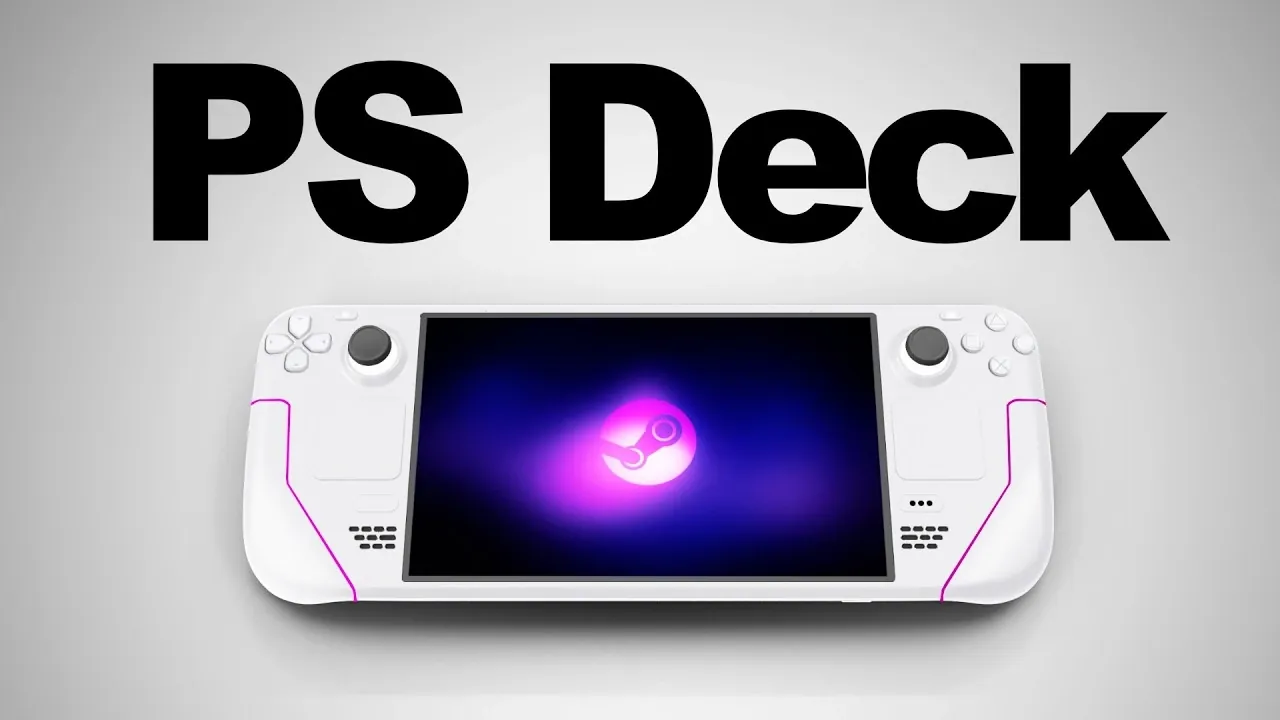
Valve’s Steam Deck now supports PlayStation game streaming through the newly introduced Asobi app, as detailed by Deck Ready. This app enables PlayStation Plus Premium subscribers to stream PS5 games directly to their Steam Deck, offering a new way to access console titles on a handheld device. The app comes in two versions: a free tier with basic streaming functionality and a paid $8 tier that includes features like haptic feedback, adaptive triggers and 4K 60fps streaming. This development highlights how the Steam Deck can accommodate a broader range of gaming experiences.
Learn how to set up the Asobi app on your Steam Deck and what subscription options are required for access. Gain insight into the specific differences between the free and paid tiers, including performance and feature comparisons. Discover how this integration fits into the larger landscape of portable gaming and what it means for players who want to expand their device’s capabilities.
Enhanced Visuals and Performance with DLSS and FSR4
TL;DR Key Takeaways :
- The Steam Deck now supports Nvidia’s DLSS 3.7 for AI-powered image upscaling, enhancing visuals and frame rates, though it requires unofficial methods due to proprietary restrictions.
- AMD’s upcoming FSR4 offers an open source alternative to DLSS, focusing on image reconstruction and broader compatibility, set to launch by the end of the year.
- The Asobi app enables PlayStation game streaming on the Steam Deck, offering both free and paid tiers, with advanced features like haptic feedback and 4K 60fps streaming for PlayStation Plus Premium subscribers.
- Shipping delays and rising hardware costs, driven by supply chain disruptions and AI technology demand, are impacting the gaming industry, emphasizing the importance of software updates like DLSS and FSR4 for extending device longevity.
- The Steam Deck’s adaptability through software updates and third-party integrations ensures its relevance, offering gamers improved performance, access to new features and extended device usability despite market challenges.
The Steam Deck now supports DLSS 3.7, a innovative AI-powered image upscaling technology developed by Nvidia. DLSS, or Deep Learning Super Sampling, is designed to boost frame rates while delivering sharper and more detailed visuals, making it possible to enjoy demanding games on a portable device. However, there are limitations to consider. DLSS requires DirectX12 and is not officially supported on the Steam Deck due to Nvidia’s proprietary restrictions. As a result, users must rely on unofficial methods to enable this feature, which may require additional technical knowledge.
On the other hand, AMD’s FSR4 (FidelityFX Super Resolution) is set to launch by the end of the year, offering an open source alternative to DLSS. FSR4 focuses on image reconstruction and performance optimization, providing a more accessible solution for users who prioritize compatibility over proprietary technology. While DLSS often delivers superior results, FSR4’s open source nature ensures broader usability and easier integration. Together, these technologies empower Steam Deck users to enjoy enhanced gaming experiences without the need for costly hardware upgrades, keeping the device competitive with modern gaming systems.
Expanding Gaming Horizons with PlayStation Streaming
The introduction of the Asobi app has brought PlayStation game streaming to the Steam Deck, unlocking new possibilities for portable gaming enthusiasts. If you are a PlayStation Plus Premium subscriber, you can now stream PS5 games directly to your Steam Deck, effectively merging the worlds of console and handheld gaming. This development offers a seamless way to enjoy console-quality gaming on a portable device. Asobi is available in two tiers:
- A free version that provides basic streaming functionality.
- A paid version priced at $8, which includes advanced features such as haptic feedback, adaptive triggers and 4K 60fps streaming.
For PlayStation fans, Asobi presents a cost-effective alternative to the PlayStation Portal, using your existing PS5 hardware and subscriptions. By transforming the Steam Deck into a portable extension of your console, Asobi enhances its versatility and value, making it an attractive option for gamers seeking flexibility and high-quality performance on the go.

Discover other guides from our vast content that could be of interest on Steam Deck.
- Valve Confirms Steam Deck 2 with Unreal Engine 5 Support
- Steam Deck 2 Could Feature AMD Gainsboro Chip with Zen 6 and RDNA 5
- FidelityFX Super Resolution 4 Debuts on Steam Deck Soon
- Android Handhelds Become Viable Budget Steam Deck Alternatives
- Leaked Steam Deck 2 Focuses on Massive Performance Upgrades: AMD Zen 6 CPU
- Heroic Game Launcher Enables Xbox Game Pass Titles on SteamOS
- New Steam Deck 2 Chip Could Outperform the AMD Z3 Extreme
- Valve Sees 82% Drop in Steam Deck Sales Amid Price Hikes
- Steam Deck Alternative: Legion Go S Packs Ryzen Z2 Go for $550 on Used Market
- Install Lossless Scaling 2.0 on Steam Deck via Decky Loader
Challenges in Hardware Availability and Rising Costs
The gaming industry is currently grappling with significant challenges, including shipping delays and rising hardware costs, which directly impact consumers. Valve’s highly anticipated Steam Frame hardware has faced substantial delays, with delivery estimates now extending into late 2026 or even 2027. These delays are attributed to high demand and increasing production costs, reflecting broader supply chain disruptions affecting the tech industry. For gamers, this means a longer wait for new hardware, emphasizing the importance of updates like DLSS and FSR4 in maintaining the relevance of existing devices.
Additionally, the rising cost of gaming hardware is becoming a growing concern. Factors such as the increasing demand for AI technologies and persistent RAM shortages are driving up prices, making it more expensive for consumers to upgrade or replace their devices. In this context, technologies like DLSS and FSR4 play a crucial role by enhancing the performance of current hardware. These advancements provide a practical solution for gamers looking to extend the lifespan of their devices without incurring significant expenses.
The Future of the Steam Deck: Opportunities and Considerations
The recent updates to the Steam Deck highlight its potential to remain a powerful and relevant gaming device in an evolving market. However, these advancements come with practical considerations. Setting up features like DLSS or configuring the Asobi app may require additional effort, particularly for users who are less familiar with these technologies. Despite these challenges, the long-term benefits, such as improved performance, access to PlayStation games and extended device longevity, make these updates worth exploring.
As hardware costs continue to rise and supply chain disruptions persist, the Steam Deck’s ability to adapt through software updates and third-party integrations ensures its continued appeal. The success of these enhancements will depend on ongoing developer support and market conditions, but for now, they represent a significant step forward in portable gaming. By embracing these innovations, the Steam Deck positions itself as a versatile and future-ready device, offering gamers a compelling blend of performance, accessibility and value.
Media Credit: Deck Ready
Disclosure: Some of our articles include affiliate links. If you buy something through one of these links, Geeky Gadgets may earn an affiliate commission. Learn about our Disclosure Policy.
